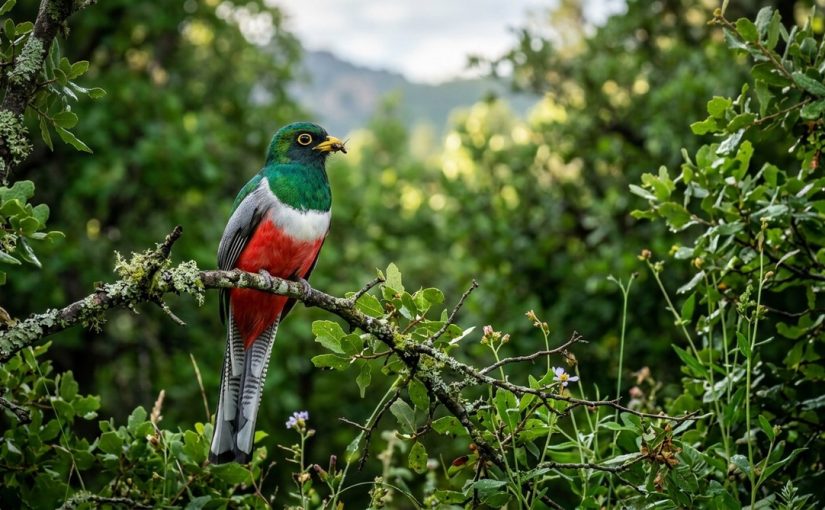
Birdwatching in Western North America in 2026 offers an exciting chance to spot some of the continent’s rarest avian treasures. As shifting migration patterns, climate changes, and habitat variations continue to influence bird populations, the year promises unique opportunities for enthusiasts and ornithologists alike. Whether you’re chasing the elusive Black Swift or the striking Pink-footed Shearwater, knowing where and how to look can transform your birding experiences. This guide highlights the most sought-after rare birds in Western North America for 2026 and provides practical tips to help you identify and report these remarkable species.
2026’s Western North American birding scene is brimming with rare sightings. Knowing where to look, how to identify these species, and reporting your finds can make your birding adventure truly rewarding.
The Top Rare Birds That Are Turning Heads in 2026
Western North America’s landscape is vast and diverse, supporting a wide variety of bird species. In 2026, several rare birds have become the focus of avid birders and researchers. These species are often seen during migration seasons or in specific habitats that attract vagrants and rarities. Here are some of the top species that birdwatchers are eager to find this year:
- Black Swift (Cypseloides niger)
- Pink-footed Shearwater (Ardenna creatopus)
- Cassia Crossbill (Loxia sinesciuris)
- McKay’s Bunting (Plectrophenax hyperboreus)
- Yellow-billed Cuckoo (Coccyzus americanus)
- Gray-cheeked Thrush (Catharus minimus)
- Red-throated Pipit (Anthus cervinus)
- Sinaloa Wren (Thryophilus sinaloa)
- Ash-throated Flycatcher (Myiarchus cinerascens)
These species are often seen in specific regions and habitats across the West, such as coastal cliffs, mountain ranges, and riparian zones. Understanding their behaviors and migration patterns can greatly improve your chances of a successful sighting.
How To Spot Western North America’s Rare Birds in 2026
Finding these rare birds requires a combination of good preparation, knowledge, and patience. Here are practical steps to enhance your chances:
- Research current sightings: Regularly check rare bird alerts and local birding groups for recent reports.
- Identify key habitats: Know where each species is likely to be found. Coastal areas are prime for Pink-footed Shearwaters, while mountain regions attract Cassia Crossbills.
- Use suitable gear: Carry quality binoculars, a field guide tailored to Western species, and a camera with a telephoto lens. For more on essential gear, see chasing rarities.
- Observe migration windows: Many species are most visible during spring and fall migration. Plan your trips accordingly.
- Record and report sightings: Document your observations with photos and detailed notes. Report your findings via birding networks or apps. For detailed instructions, review how to document and report your rare bird sightings like a pro.
“Patience and preparation are key. Rare birds are often fleeting, but with diligent observation and the right knowledge, you can turn a fleeting glimpse into a memorable sighting.” — Ornithological expert Dr. Emily Harper
Techniques and Common Mistakes in Identifying Rare Birds
Accurate identification is crucial, especially with species that look similar or have subtle differences. Here’s a comparison table to help distinguish key features:
| Technique | Mistakes to Avoid |
|---|---|
| Observe plumage details | Confusing juvenile and adult plumage |
| Note vocalizations | Relying solely on sighting without sound recognition |
| Check habitat preferences | Overlooking habitat clues that support identification |
| Use binoculars properly | Failing to get a clear, steady view |
| Record photos | Rushing and missing critical details |
Tips for Accurate Identification
- Compare field marks carefully.
- Listen for unique calls or songs.
- Cross-reference sightings with recent reports.
- Join local birding groups for shared expertise and confirmation.
Practical Processes for Confirming a Rare Bird Sighting
- Verify your observation: Ensure your identification is accurate with multiple references.
- Photograph the bird: Capture clear images from different angles.
- Note the location and date: Precise records aid in tracking migration and distribution.
- Share with local experts: Use platforms like eBird or local bird clubs for confirmation.
- Report promptly: Submit your sighting to reputable databases to contribute to ongoing research.
Resources and Tools That Support Your Birding in 2026
- Birding apps: Apps like Merlin Bird ID and eBird help with quick identification and reporting.
- Field guides: Updated regional guides provide detailed descriptions.
- Research summaries: Stay current with ornithological research summaries that highlight new sightings or species.
- Local birding organizations: Connect with groups that host field trips and rarity alerts.
Keep the Spirit Alive With Rarity Hunting
Western North America’s diverse habitats and shifting migration routes make 2026 an exciting year for birders chasing rarities. Remember, patience and careful observation are your best allies. Keep a keen eye on the sky and stay connected with fellow birdwatchers for the latest updates. Every sighting contributes to our understanding of bird migration and conservation efforts.
A Final Note on Birding Rarities in 2026
Birdwatching in the West continues to surprise and inspire. With the right preparation and a bit of luck, you might be the one to spot a rare bird that turns out to be a highlight of your birding journey. Always respect local regulations and habitats, and share your findings responsibly. Keep your binoculars handy, your notes detailed, and your enthusiasm high. The avian world is full of surprises waiting to be discovered.