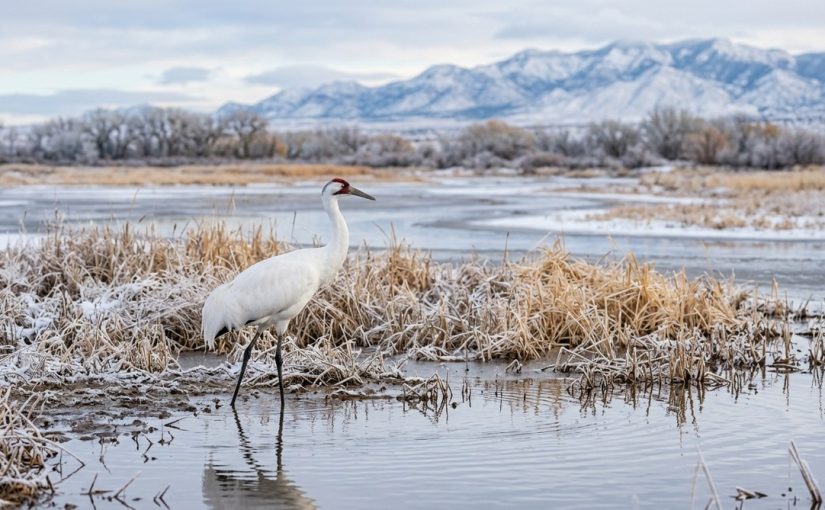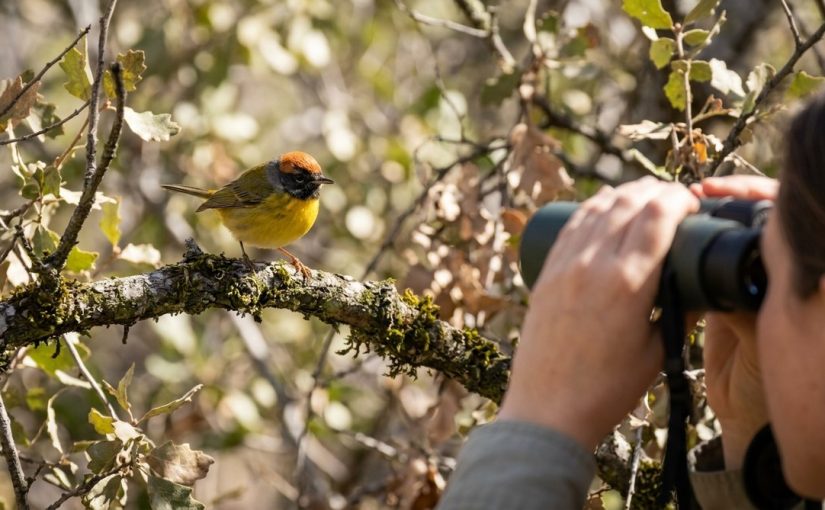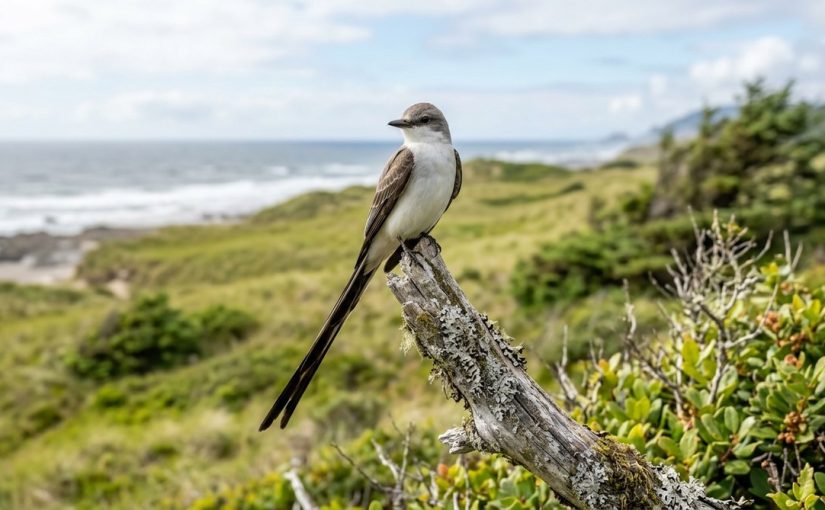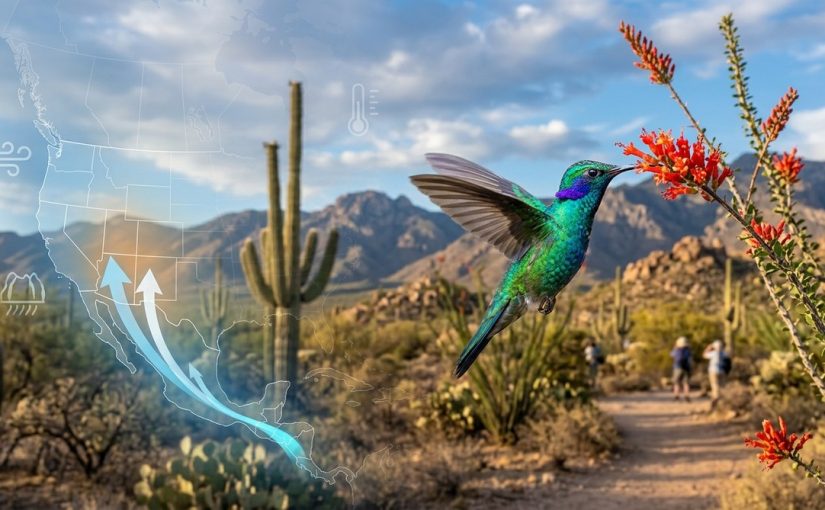
Birding in Western North America offers a thrill like no other. The continent’s diverse habitats host some of the most elusive and rare bird species. Spotting these rarities requires more than just luck. It demands knowledge, patience, and the right techniques. Whether you’re a seasoned birder or a curious newcomer, understanding where and how to find rare birds can turn an ordinary outing into a memorable adventure.
Key Takeaway
Finding rare birds in Western North America combines understanding their habitats, using targeted resources, and practicing meticulous field techniques. With patience and the right tools, bird enthusiasts can uncover some of the continent’s most elusive avian gems.
Understanding what makes a bird rare in Western North America
Before diving into how to find these birds, it’s helpful to clarify what qualifies a bird as rare. In Western North America, rarity can stem from several factors. Some species are naturally scarce due to limited ranges or specialized habitats. Others are vagrants, straying far from their usual territories. Changes in climate or habitat loss can also make certain species more difficult to find.
Knowing what makes a bird rare helps in setting realistic expectations and guiding your search. Resources like detailed field guides and bird alert apps are invaluable for staying updated on recent sightings and current rarities in specific regions.
Key regions and habitats for rare birds in Western North America
Certain locations stand out as hotspots for spotting rare birds. The Pacific Northwest’s mountains and forests, California’s coast and wetlands, and the Great Basin’s high deserts all host unique avian communities.
Mountain and forest habitats
High elevations and dense forests are prime spots for species like the Black Swift or the Northern Goshawk. These birds often stay hidden, making knowledge of their preferred environments critical.
Coastal and wetland areas
Salt marshes, estuaries, and lagoons attract rarities such as the Elegant Tern or the Surfbird. Tidal zones are especially good for observing shorebirds that are not commonly seen inland.
Desert and grassland regions
Vagrant species like the Bendire’s Thrasher or the Thicket Tinamou sometimes appear in these arid zones. Spotting them can involve following recent reports and understanding their preferred microhabitats.
Practical steps to find rare birds in Western North America
Follow recent sightings and alerts
Study habitat preferences and migration patterns
Practice patient and discreet observation
1. Follow recent sightings and alerts
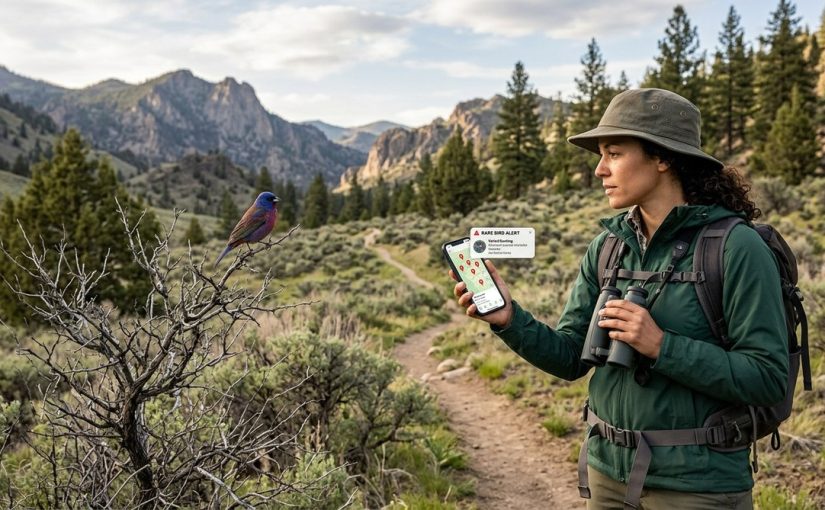
Keeping tabs on bird alert networks and apps is vital. Resources like eBird or the American Birding Association’s Rare Bird Alert provide real-time updates on rare bird sightings. These platforms often include location details, photos, and descriptions from observers.
2. Study habitat preferences and migration patterns
Understanding where and when rare birds are likely to appear increases your chances. For example, vagrant warblers often show up during fall migration along specific routes. Using books and online summaries helps identify these patterns.
3. Practice patient and discreet observation
Rare birds tend to be skittish. Approaching with patience and quietness minimizes disturbance and improves your chances of a close look. Using binoculars and a spotting scope can make a big difference in identification.
Techniques for finding and identifying elusive species
Technique
Common Mistakes
Tips
Listening for calls and songs
Ignoring background noise
Use a good quality recorder to capture and analyze calls later
Using playback cautiously
Overusing playback and disturbing birds
Play calls sparingly and ethically, respecting the bird’s well-being
Covering a variety of habitats
Focusing too narrowly
Check multiple habitats during a trip for a broader chance
Tracking recent reports
Relying solely on old sightings
Always verify the latest updates and recent sightings
Expert advice: “Patience is your best friend. Rare birds often appear in the early morning or late afternoon. Spend time quietly observing and listening in known hotspots.”
Essential gear and resources for rare bird hunting
Field guide tailored to Western North America species
Bird call recordings and apps
High-quality binoculars and spotting scopes
Notepad or digital device for recording sightings
Current rare bird alerts via apps or websites
Recommended resources
The Cornell Lab’s All About Birds website offers comprehensive info on bird habits and recent sightings
https://wfopublications.org/rare-bird-alerts-which-apps-and-resources-actually-work-best/ provides insights into the best alert systems
Local bird clubs and nature centers often host guided trips and can provide valuable local knowledge
Documenting and reporting your sightings
When you encounter a rare bird, accurate documentation helps validate the sighting and contributes to conservation efforts. Take clear photos, record detailed descriptions, and note the location and habitat. Sharing your find on platforms like eBird helps other birders stay informed and supports research.
For a comprehensive guide on this process, https://wfopublications.org/how-to-document-and-report-your-rare-bird-sighting-like-a-pro/ offers practical tips for enthusiasts.
Common pitfalls and how to avoid them
Mistake
How to prevent it
Explanation
Misidentifying species
Double-check features and calls
Many rare birds resemble common species; verify with field guides
Relying on outdated reports
Always check recent sightings
Bird movements change quickly; recent info is critical
Disturbing the bird
Approach quietly and ethically
Respect wildlife to keep future sightings possible
Getting closer to the rarities
Persistence and knowledge open doors to discovering Western North America’s elusive birds. Keep chasing recent reports, learn their habitats, and practice stealthy observation. Every sighting might be a once-in-a-lifetime moment.
Rarities in Western North America worth the effort
Some species are so rare that they draw birders from across the globe. The Ivory-billed Woodpecker, which may still be extant in remote forests, remains legendary. Others, like the Pink-footed Shearwater, appear sporadically along the coast. Staying informed and prepared increases your chances of encountering these extraordinary birds.
Final encouragement for birders chasing rarities
Patience, curiosity, and respect for nature serve as your best tools. By honing your skills, utilizing available resources, and maintaining a keen eye, you can uncover some of Western North America’s most elusive and spectacular birds. Keep your binoculars ready and your spirit eager for discovery. The next rare sighting could be just around the corner.
Birdwatching in the Western United States offers a thrilling challenge—spotting rare species that are becoming increasingly scarce. Many birders find joy in uncovering these elusive birds, but proper identification requires knowledge, patience, and keen observation. As certain Western species face threats from habitat loss, climate change, and other pressures, understanding how to recognize and document these rarities becomes more important than ever. This guide walks you through effective methods for identifying rare Western bird species and understanding their shifting populations.
Key Takeaway
Accurate identification of rare Western bird species involves understanding their unique markings, behaviors, and habitats. Tracking their increasing rarity helps conservation efforts and enriches your birding experience. Use field guides, stay updated with alerts, and document sightings carefully to contribute meaningfully to bird conservation.
Recognizing the Unique Traits of Western Rarities
The Western United States is home to a diverse array of bird species. Some are common, but others are increasingly rare due to habitat changes and migration shifts. Identifying these rarities requires familiarity with their visual cues, sounds, and preferred environments.
Many rarities are distinguishable by subtle features. For example, the Black-backed Oriole has a striking black head contrasted with bright yellow body, but spotting it demands attention to detail. Others, like the Red-naped Sapsucker, have distinctive markings on their head and throat that set them apart from more common woodpeckers.
Understanding where these birds are likely to appear is equally important. For instance, the California Condor is primarily found in certain remote canyons, making location awareness critical.
Practical Steps to Spot and Identify Rare Western Birds
Familiarize Yourself with Field Guides and Resources
Start with comprehensive field guides that include rare Western species. Modern apps and online resources provide up-to-date alerts on sightings and migration patterns. The Rare Bird Alerts are invaluable for tracking recent sightings.
Learn Their Habitats and Seasonal Movements
Many rare species are only visible during specific times of the year or in particular habitats. For example, the Yellow-billed Magpie is often seen along the Central Valley in winter, whereas the Spotted Owl prefers old-growth forests. Knowing these patterns narrows down your search areas.
Observe and Record Key Identification Features
Pay close attention to size, plumage, song, and behavior. Use binoculars and a camera to document your sightings. When in doubt, compare your observations with trusted field guides or consult online communities.
Stay Patient and Persistent
Rarity often means fleeting appearances. Returning to promising sites and keeping a detailed sighting log increases your chances over time. Sharing your observations with local birding groups supports conservation and research efforts.
Techniques and Common Mistakes in Bird Identification
Technique
What to Do
Common Mistake
Field markings
Focus on distinctive plumage and size
Confusing similar species, like warblers with similar markings
Song and calls
Use recordings and learn regional calls
Misidentifying calls of common species as rare ones
Habitat awareness
Know preferred environments of target species
Overlooking habitat clues that point to rarity
Time of day and season
Bird activity peaks during specific times and seasons
Missing sightings due to inappropriate timing or location
Documentation
Take photos and detailed notes
Relying solely on memory, risking misidentification
Expert tip: “Always cross-reference your sightings with multiple sources. Sometimes, what appears to be a rare bird might be a common species with unusual plumage or an immature bird,” advises ornithologist Dr. Lisa Grant.
Understanding Why Rarity Changes Over Time
Bird populations fluctuate due to several factors. Habitat destruction, invasive species, and climate change can cause certain Western species to decline. Conversely, some species may become more frequent in certain areas due to changing migration routes or environmental conditions.
Tracking these shifts helps birders recognize patterns and anticipate where rarities might show up. For example, a sudden appearance of a Vagrant Western Tanager outside its usual range could indicate broader ecological changes.
Monitoring efforts like participating in local bird surveys or contributing to citizen science projects enhance our understanding of these trends. The Chasing Rarities guide can help you acquire the necessary gear to record and report your findings accurately.
How to Document and Report Your Rare Bird Sighting Like a Pro
Accurate documentation supports research and conservation. Capture clear photographs from multiple angles, record the date, time, location, and environmental conditions. Use apps designed for bird reporting or submit your findings to platforms like eBird.
If you encounter a rare Western species, consider submitting a detailed report. This data can alert others and contribute to understanding population dynamics. For more guidance, visit our article on
Common Challenges in Identifying Western Rarities
Misidentification is the most common obstacle. Many species look similar, especially in juvenile or female plumages. For example, the Western Tanager and Summer Tanager can be confused without careful observation.
Environmental factors also complicate sightings. Overcast weather or poor lighting can obscure key features. Wind and dense foliage may hinder a clear view.
Understanding these common pitfalls helps you avoid errors and improves your accuracy.
Why Tracking Rarity Matters for Bird Conservation
Documenting the increasing rarity of Western birds serves a larger purpose. It informs conservation priorities and helps identify declining populations early. Birders can become active participants in conservation by reporting sightings, supporting habitat preservation, and advocating for policies that protect these species.
By staying informed and involved, your efforts contribute to the survival of these remarkable birds.
Final Tips for Successful Rarity Spotting
Always carry a quality pair of binoculars and a field guide or app.
Visit known hotspots during peak activity times.
Be respectful of habitats and minimize disturbance.
Join local birding groups for shared knowledge and support.
Keep a detailed sighting journal and review it regularly.
Remember, patience and persistence are key. Each sighting adds to the bigger picture of Western bird populations and their health.
Identifying rare Western bird species is more than just a hobby. It’s a way to connect with nature and support efforts to protect these vulnerable species. Your observations help scientists understand population changes and habitat needs. By sharing your sightings, you become part of a larger community committed to conservation.
Keep your eyes open for these elusive birds. Use the techniques and resources outlined here. And most importantly, enjoy every moment in the field. Your dedication makes a difference in preserving the rich avian diversity of the West.
Birdwatching in Western North America offers countless surprises, especially when it comes to spotting rare birds. These elusive species can appear unexpectedly, often in surprising locations, thrilling even seasoned birders. Whether you’re a dedicated enthusiast or a casual observer, understanding how to identify and report these bird sightings enhances your experience and contributes to conservation efforts. This guide introduces you to some of the most stunning rare birds in the region and shares practical advice on finding and documenting them.
Key Takeaway
Learning to identify rare birds in Western North America requires patience, observation skills, and knowledge of their habitats. Reporting sightings helps track these species’ movements and supports conservation efforts. With the right gear and techniques, birders can enjoy the thrill of discovering these extraordinary creatures and contribute valuable data to the birding community.
Recognizing Truly Rare Birds in the Western United States
Western North America is a hotspot for bird diversity, with many species that are common and others that are rare or accidental visitors. Some birds are regular migrants or residents, but others show up only sporadically, often driven by weather, food availability, or seasonal changes. Recognizing these rare birds involves understanding their unique features, behaviors, and habitats.
Commonly, rare species are vagrants—birds that appear outside their normal range. These sightings are exciting but require careful verification. Learning about the key characteristics of these birds, along with their preferred environments, helps birders identify them accurately. For example, a vibrant, unexpected warbler in a Western forest might be a rare migrant from the east, or a colorful vagrant seabird found inland could be a pelagic species blown off course.
Top Rare Birds That Show Up in Western North America
Here are some of the most stunning rare birds that birdwatchers might encounter in the West. While some are seen annually, others are extraordinary and infrequent visitors.
Black Vulture: A rare but increasing sight in parts of California, these scavengers are easily mistaken for Turkey Vultures but have a different wing shape and darker color.
Elegant Tern: Usually found along the coast, this sleek seabird occasionally appears inland during migration.
Yellow-billed Magpie: Primarily a California endemic, rare sightings outside its typical range are exciting for birders.
Sooty Shearwater: During certain times of year, these pelagic birds are seen far inland, blown in by storms.
Cassin’s Auklet: A small seabird that sometimes ventures into coastal waters and occasionally lands near rocky cliffs.
Vagrant and Unusual Sightings
Vagrants often turn up in unexpected spots, especially after storms or during migration. For example, a rare gull species like the Sabine’s Gull might appear inland far from its usual habitat, or a rare warbler from the eastern forests could show up during fall migration.
Practical Steps to Find and Report Rare Birds
Spotting rare birds involves a combination of preparation, patience, and knowledge. Here are some steps to enhance your chances:
Research Recent Sightings: Regularly check local bird alerts, online birding lists, and rare bird reports. Sites like the Western Bird Alert keep track of recent sightings and help you target likely locations.
Learn Key Identification Features: Study field guides and photographs of rare species. Pay attention to plumage details, size, shape, and behavior. For example, distinguishing a rare vagrant from a common species often hinges on subtle markings or call differences.
Visit Likely Habitats: Many rare birds favor specific environments like rocky coasts, inland lakes, or mountain valleys. Knowing where to look increases your chances. Coastal regions, especially during migration seasons, are good hotspots for seabird rarities.
Use the Right Equipment: A good pair of binoculars, a camera with a telephoto lens, and a field notebook are essential. Recording vocalizations using a portable recorder can also help with later identification.
Document Your Sighting: Take clear photos and note details such as location, time, weather conditions, and bird behavior. This information is vital when reporting the sighting.
How to Report a Rare Bird
Reporting sightings helps track bird movements and provides valuable data for research. To report a rare bird:
Use online platforms like eBird, which allow you to submit detailed observations and upload photos.
Contact local bird clubs or ornithological groups, such as the Waterman Bird Club, which coordinate reports and confirm rarities.
Be thorough and honest in your description. Include details about how you identified the bird and any supporting photographs or recordings.
“Accurate documentation and timely reporting are crucial. They not only help confirm rare sightings but also contribute to understanding migration patterns and population changes,” advises experienced birders.
Techniques for Accurate Identification and Common Mistakes
Identifying rare birds can be challenging. Here are some techniques and pitfalls to avoid:
Technique
Mistake to Avoid
Use detailed photographs
Relying solely on memory or poor-quality images
Listen for distinctive calls
Confusing similar-sounding species
Compare plumage with field guides
Overlooking subtle differences in markings or size
Observe behavior and habitat
Ignoring the context in which the bird is found
Expert Advice on Confirming Rarities
“Always seek multiple lines of evidence before declaring a rare bird. Photos, recordings, and detailed notes make your identification more reliable. When in doubt, consult with local experts or regional birding groups,” recommends Dr. Jane Smith, a renowned ornithologist.
Common Techniques and Mistakes in Rare Bird Identification
Understanding the right methods can make all the difference. Here’s a quick comparison:
Technique
Common Mistakes
Field identification
Misidentifying due to poor lighting or distance
Vocalization analysis
Confusing calls of similar species
Habitat assessment
Overlooking the importance of location clues
Peer consultation
Relying only on personal judgment
Mastering these techniques involves practice and patience. Always verify your findings through multiple sources, and do not hesitate to seek help from experienced birders.
Connecting with the Birding Community
Joining local bird clubs and online forums enriches your understanding of rare birds. They often share sighting reports, photos, and tips. Participating actively can also improve your identification skills and help you stay informed about upcoming rare bird occurrences in Western North America.
A Final Word on Appreciating Western North America’s Bird Rarities
Birding in Western North America offers a chance to witness some of the continent’s most stunning and elusive species. Recognizing and reporting rare birds not only boosts your skills but also contributes valuable data to conservation efforts. Remember to respect wildlife, follow ethical birding practices, and enjoy the thrill of discovering these extraordinary creatures. Keep your binoculars handy, your camera ready, and your curiosity alive. The next rare sighting could be just around the corner.
Every autumn, birdwatchers across California, Oregon, and Washington report something unexpected: a flash of yellow and black that doesn’t belong. Eastern warblers, those small songbirds that should be heading south through the Mississippi Flyway, suddenly appear thousands of miles off course in coastal scrub and urban parks. These aren’t lost birds. They’re overshoots, and understanding why they happen transforms a casual birding walk into a treasure hunt for some of North America’s most beautiful migrants.
Key Takeaway
Eastern warblers appear in western states during fall migration due to weather systems, juvenile navigation errors, and reverse migration patterns. Species like Blackpoll Warbler, Black-and-white Warbler, and Magnolia Warbler show up most frequently along the Pacific Coast from late August through October. Successful identification requires understanding field marks, habitat preferences, and timing patterns that differ from their eastern counterparts.
Why Eastern Warblers End Up Out West
Fall migration creates chaos in the warbler world. Young birds making their first journey south rely on genetic programming and celestial cues, but these systems aren’t perfect.
Strong weather fronts push birds westward. A low-pressure system moving across the Great Plains can deflect thousands of migrants toward the Rockies. Once over the mountains, exhausted birds drop into the first suitable habitat they find.
Reverse migration plays a bigger role than most birders realize. After cold fronts pass through the Midwest in September, birds sometimes orient themselves 180 degrees in the wrong direction. Instead of heading south, they fly north and west, ending up in places like Montana, Idaho, and British Columbia.
Coastal convergence zones concentrate these wayward travelers. The Pacific Coast acts like a funnel. Birds that drift west eventually hit the ocean and follow the coastline south, creating hotspots at places like Point Reyes, Morro Bay, and the Columbia River estuary.
Most Common Eastern Warblers Found in the West
Not all eastern species show up with equal frequency. Some make the journey almost annually, while others remain genuine rarities.
Regular Annual Visitors:
Blackpoll Warbler (most frequent overshoots)
Black-and-white Warbler
Magnolia Warbler
American Redstart
Northern Parula
Cape May Warbler
Occasional Appearances:
Black-throated Blue Warbler
Black-throated Green Warbler
Bay-breasted Warbler
Chestnut-sided Warbler
Ovenbird
Northern Waterthrush
The Blackpoll Warbler deserves special attention. This species migrates farther than any other warbler, and its tendency to overshoot brings dozens to California each fall. Look for streaky gray birds with white wing bars and pale legs in coastal willows and ornamental trees.
Timing Your Search for Maximum Success
Knowing when to look matters as much as knowing where. Eastern warblers don’t arrive randomly. They follow predictable patterns tied to weather and season.
Peak season runs from late August through mid-October. The first week of September typically brings the highest diversity, with multiple species appearing simultaneously along the coast.
Weather watching improves your odds dramatically. Check for these conditions:
Strong easterly winds in the preceding 48 hours
Cold fronts passing through the Great Basin
Fog or marine layer along the coast (grounds migrants)
High-pressure systems over the Pacific Northwest
Morning hours between 7 AM and 11 AM produce the most sightings. Warblers actively forage after dawn, making them easier to spot and identify before they settle into dense cover for midday rest.
Late October stragglers represent a different phenomenon. These birds often show signs of stress, appearing thin and desperate for food. They concentrate around reliable water sources and insect-rich microclimates.
Where to Find Eastern Warblers in Western Habitats
Eastern warblers don’t use western landscapes the way resident species do. They seek familiar structure and resources, even if the plant species differ completely.
Riparian corridors attract the highest numbers. Cottonwoods, willows, and alders along creeks provide the vertical structure and insect abundance these birds need. Check every patch of deciduous trees within 50 miles of the coast.
Urban parks outperform wild areas surprisingly often. Ornamental plantings create oases that concentrate migrants. Look for:
Flowering gardens with aphids and small caterpillars
Mature shade trees with peeling bark
Water features like fountains or ponds
Mixed plantings that include eastern species
Coastal scrub and chaparral seem wrong for woodland warblers, but desperate birds use whatever cover exists. I’ve found Magnolia Warblers in pure coyote brush and Black-throated Blues in manzanita.
Vagrant traps are specific locations that consistently produce rarities. These spots combine geography, habitat, and microclimate in ways that attract and hold lost migrants. Examples include sewage ponds, desert oases, and coastal promontories.
Identification Challenges and Solutions
Eastern warblers in fall plumage test even experienced birders. Breeding males with bold patterns transform into drab, confusing juveniles and females.
Species
Key Field Mark
Common Mistake
Solution
Blackpoll Warbler
Pale legs, streaky overall
Confused with Pine Siskin
Check for thin, pointed bill
Bay-breasted Warbler
Buffy undertail coverts
Confused with Blackpoll
Look for clean flanks, dark legs
Black-throated Blue
White pocket on wing
Female overlooked entirely
Study facial pattern, posture
Cape May Warbler
Yellow neck spot
Confused with Yellow-rumped
Note fine streaking, thin bill
Behavior provides critical clues. Eastern warblers often forage differently than western species. Black-and-white Warblers creep along branches like nuthatches. American Redstarts fan their tails constantly. Ovenbirds walk on the ground with a distinctive bobbing gait.
Vocalizations help, but fall migrants rarely sing. Listen instead for chip notes. Each species has a distinctive call, though learning them requires practice and good recordings for comparison.
“The key to finding eastern warblers out west is checking every warbler you see, no matter how common it looks at first glance. That ‘Yellow-rumped’ might have the wrong face pattern. That ‘Orange-crowned’ might show wing bars. Assume nothing during fall migration.” — Field notes from coastal California surveys
Photography and Documentation Standards
Rare bird committees require solid documentation. Your phone photo might seem clear to you, but it needs to show diagnostic features that rule out similar species.
Capture these angles for any suspected eastern warbler:
Side profile showing complete wing pattern
Head-on view revealing facial markings
Undertail coverts and leg color
Overall body proportions and posture
Lighting matters more than camera quality. A well-lit phone photo beats a shadowy DSLR image. Position yourself so the sun illuminates the bird’s side, not its back.
Take notes immediately. Memory fades within hours. Record the date, exact location, habitat type, weather conditions, and behavior. Describe the bird in your own words before consulting field guides.
Submit reports to eBird with detailed comments. Include your photos and describe how you ruled out similar species. Regional reviewers appreciate thorough documentation and often provide helpful feedback.
Building Your Eastern Warbler Skills
Becoming proficient at finding and identifying these birds requires deliberate practice. Start with common species and work toward the rarities.
Study eastern warbler field marks during summer when resources are abundant. Use online photo databases to familiarize yourself with fall plumage variations. Pay special attention to first-year birds, which represent most western records.
Join local rare bird alert networks. Facebook groups, email lists, and apps like BirdLog provide real-time reports. Responding to alerts lets you study birds that others have already identified, accelerating your learning.
Practice with western warbler species first. If you can confidently separate Townsend’s from Hermit Warbler, you’ve developed the attention to detail needed for eastern vagrants.
Create a target list of most-wanted species. Research their peak timing, preferred habitats, and key field marks. Focused preparation beats random searching.
Citizen Science and Conservation Value
Every eastern warbler sighting in western states contributes to scientific understanding. These records help ornithologists track migration patterns, climate change impacts, and population trends.
Report all observations to eBird, even common species. Negative data matters. Knowing where and when birders looked but found nothing helps researchers understand true occurrence patterns.
Participate in migration counts and bird banding stations. Organizations along the Pacific Coast run monitoring programs that capture, band, and release migrants. Volunteer opportunities exist for all skill levels.
Support habitat conservation at known vagrant traps. These small patches of green space punch above their weight for migrant birds. Local land trusts and parks departments often welcome input from birders about management priorities.
Making the Most of Every Fall Season
Eastern warblers in western states represent one of birding’s great seasonal phenomena. Each autumn brings new possibilities and the chance to find something genuinely rare.
Success comes from preparation meeting opportunity. Know your local hotspots. Understand the weather patterns that bring migrants your way. Study field marks until you can identify warblers in poor light and awkward angles. Then get outside and look.
The Magnolia Warbler you find in a city park, the Blackpoll gleaning insects from coastal willows, the Black-and-white creeping up an oak trunk—these birds traveled thousands of miles off course. Finding them connects you to continental-scale natural processes and reminds you that nature still holds surprises, even in familiar places. Keep your binoculars ready and your field guide handy. The next warbler you see might be something special.
You’re standing in a parking lot at dawn, coffee in hand, wondering if that vagrant warbler reported yesterday is still around. You need accurate, timely information, not outdated sightings from three days ago. The right app can mean the difference between adding a life bird to your list and wasting an entire morning chasing ghosts.
Key Takeaway
The best rare bird alert apps combine real-time reporting, verified sightings, and active communities. eBird leads for comprehensive data and global coverage, while regional platforms like BirdGuides excel in specific areas. Success depends on choosing apps that match your birding style, notification preferences, and geographic focus. Most serious birders use two or three apps simultaneously to maximize rare bird opportunities.
Why Most Birders Use Multiple Alert Systems
No single app dominates every aspect of rare bird alerts. Some excel at verification speed. Others offer better filtering options. A few shine in specific regions but fall flat elsewhere.
Professional bird photographers often run three apps at once. They cross-reference alerts to confirm legitimacy before driving hours to a location. This multi-app strategy reduces false alarms and increases success rates.
The learning curve varies dramatically. Some platforms require weeks to understand their notification systems. Others work intuitively from day one.
Breaking Down the Top Platforms
eBird Mobile and Alerts
eBird processes millions of observations annually. The platform’s strength lies in its massive user base and rigorous data validation.
Alerts arrive based on your customized filters. You can set geographic boundaries, target specific species, or receive notifications for any unusual sighting in your county. The system learns from your preferences over time.
Strengths:
– Global coverage with detailed location data
– Integration with Cornell Lab of Ornithology databases
– Historical sighting patterns help predict rare bird movements
– Free to use with no premium tiers
Limitations:
– Alerts can lag by 30 minutes to several hours
– Requires manual filter setup for optimal results
– Notification volume can overwhelm new users
The verification process means you’re less likely to chase misidentified birds. Reviewers flag questionable sightings before they trigger widespread alerts. This quality control saves time but introduces delay.
BirdGuides for European Birders
BirdGuides dominates the UK and European rare bird scene. The app’s strength comes from its dedicated network of contributors who report sightings within minutes.
Paid subscriptions unlock premium features like instant notifications and detailed site guides. The investment pays off for serious listers who need real-time information.
The community aspect sets BirdGuides apart. Users share photos, field notes, and access directions. You’ll find parking coordinates and optimal viewing times for most reported rarities.
Audubon Bird Guide
The Audubon app focuses on education alongside alerts. You get identification tools, range maps, and conservation status information in one package.
Alerts connect to eBird data but present information in a more accessible format. New birders appreciate the simplified interface. The trade-off is fewer customization options compared to eBird’s native app.
The built-in field guide helps confirm identifications when you arrive at a location. You can compare your observations against recorded calls and detailed photos.
Regional Platforms That Punch Above Their Weight
State and provincial birding associations often maintain their own alert systems. These regional networks frequently beat national platforms for speed and accuracy within their coverage areas.
Texas birders swear by TexBirds. California has its own robust listserv system. Ontario birders rely on the Ontario Field Ornithologists network. These platforms combine email alerts with social media groups for redundancy.
The downside is managing multiple accounts and notification streams. You’ll need discipline to avoid alert fatigue.
Setting Up Your Alert Strategy
Getting useful notifications without drowning in noise requires deliberate configuration. Here’s how experienced birders structure their systems:
Start with one primary app and learn its features thoroughly before adding others.
Define your geographic radius realistically based on how far you’re willing to travel.
Create species-specific alerts for your most wanted birds rather than enabling all rare bird notifications.
Test your settings for one week and adjust based on signal-to-noise ratio.
Schedule notification quiet hours during work or sleep times to maintain sanity.
Most apps allow multiple alert profiles. Create one for weekend birding trips with a wider radius and another for weekday lunch breaks focused on nearby patches.
Comparing Features Side by Side
Feature
eBird
BirdGuides
Audubon
Regional Networks
Alert Speed
Moderate
Fast
Moderate
Very Fast
Geographic Coverage
Global
Europe-focused
North America
Limited Area
Verification Process
Rigorous
Community-based
Moderate
Varies
Cost
Free
Freemium
Free
Usually Free
Customization
Extensive
Good
Basic
Varies
Photo Sharing
Limited
Excellent
Good
Platform-dependent
The table reveals why birders mix platforms. eBird provides the foundation. Regional networks add speed. BirdGuides fills gaps for international travel.
Understanding Alert Accuracy and Timing
Not all rare bird alerts lead to successful sightings. Several factors determine whether you’ll connect with a reported bird.
Species behavior matters. Shorebirds often stick around for days. Warblers might disappear in hours. Raptors can cover miles between morning and afternoon. Understanding these patterns helps you prioritize which alerts deserve immediate action.
Time stamps tell the story. An alert posted at 7 AM about a bird seen at 6 AM offers better odds than one posted at noon about a morning sighting. Some apps display both observation time and reporting time. This distinction is critical.
Location precision varies. Coordinates accurate to a specific tree beat vague descriptions of large parks. Apps that allow detailed location pins save hours of searching.
The best alert in the world is worthless if you can’t act on it within the bird’s typical stay duration. Know your target species’ behavior patterns and adjust your response time accordingly. A rare gull might linger for weeks, but a vagrant flycatcher could vanish by afternoon.
Notification Management for Sanity
Alert fatigue is real. Birders who enable every notification often burn out and disable alerts entirely, missing genuinely rare opportunities.
Priority tiers work better than all-or-nothing approaches. Set immediate notifications for your top 10 target species. Use daily digest emails for interesting but not critical sightings. Reserve push notifications for birds within 30 minutes of your location.
Seasonal adjustments prevent overload. Migration periods generate exponentially more alerts. Tighten your filters during spring and fall. Expand them during slower winter months when any unusual bird deserves attention.
Shared accounts create redundancy. Birding partners can split monitoring duties. One person tracks morning alerts while another checks afternoon updates. This partnership approach reduces individual stress while maintaining coverage.
Mobile Data and Battery Considerations
Running multiple birding apps simultaneously drains batteries and burns through data plans. Field-tested strategies help manage these practical constraints.
Download offline maps before leaving home to reduce data usage
Carry external battery packs rated for at least two full phone charges
Disable background refresh for non-essential apps while birding
Use airplane mode between alert checks to preserve battery life
Screenshot important alerts in case you lose signal at remote locations
Some birders carry a dedicated device just for birding apps. An older smartphone on WiFi-only mode can receive alerts at home, saving your primary phone’s battery for field use.
Community Dynamics and Reporting Etiquette
The quality of any alert system depends on its contributors. Understanding community norms helps you become a valuable member rather than a passive consumer.
Report your own sightings promptly. The system only works when birders share information. Even common species reports help establish baseline data that makes rare bird alerts more meaningful.
Include helpful details beyond species identification. Describe the bird’s location within a site, its behavior, and any field marks that aided identification. These details help others confirm the sighting.
Update alerts when birds disappear. A “bird not found” report saves others wasted trips. This negative information is nearly as valuable as the initial alert.
Respect private property and sensitive locations. Some rare birds appear on private land or in areas where crowds cause problems. Follow any access restrictions mentioned in alerts.
Advanced Filtering Techniques
Power users extract more value from alert systems through sophisticated filtering. These techniques require initial setup time but pay dividends throughout the birding season.
Rarity filters based on regional frequency. Most apps let you define what qualifies as rare for your area. A bird common in Texas but unusual in Maine can trigger alerts only in Maine.
Date range targeting for migrants. Set alerts for specific species only during their expected migration windows. This reduces off-season noise from misidentifications.
Combined location and species filters. Create alerts for particular species only at specific hotspots known to attract them. A coastal vagrant alert makes sense for beachfront locations but not inland parks.
Alert chaining across apps. Use IFTTT or similar automation tools to forward alerts from one platform to another, creating a unified notification stream.
Photography-Specific Considerations
Bird photographers need different information than listers. Alerts should include details about lighting conditions, bird behavior, and access restrictions.
Some photographers ignore alerts entirely during harsh midday light, focusing on morning and evening reports. Others prioritize alerts for birds showing approachable behavior over simply rare species.
Look for these photography-friendly details in alerts:
– Distance to the bird and whether it’s approachable
– Background quality and shooting angles
– Crowd size and whether space exists for tripods
– Perch preferences that might indicate future behavior
– Time of day when the bird showed best activity
Regional photography groups often maintain separate alert channels focused on photo opportunities rather than pure rarity. These specialized networks can be worth joining if image quality matters more than list building.
International Travel and Alert Apps
Birding trips outside your home region require alert strategy adjustments. Different countries and continents have dominant platforms that may not match your familiar tools.
Research local apps before traveling. Download them weeks in advance to learn their interfaces. Join regional social media groups where birders share real-time information that might not appear in formal alert systems.
Pre-trip alert setup checklist:
– Identify the dominant platform for your destination
– Create location-based alerts for your travel dates
– Join local birding Facebook groups or WhatsApp channels
– Download offline maps and field guides
– Set up temporary notification profiles for the travel period
– Exchange contact information with local birders who can provide ground truth
Language barriers complicate international alerts. Translation apps help, but scientific names provide a universal language. Focus on species names in alerts even if surrounding text is unclear.
Troubleshooting Common Alert Problems
Even experienced birders encounter alert system issues. Recognizing and fixing these problems quickly prevents missed opportunities.
Delayed notifications often result from app background restrictions. Check your phone’s battery optimization settings and allow birding apps to run unrestricted. Some Android manufacturers aggressively limit background processes, killing apps that should deliver notifications.
Missing alerts might indicate filter problems rather than technical issues. Review your geographic boundaries and species selections. An overly restrictive filter can silence important sightings.
Duplicate alerts from multiple apps become overwhelming. Consider disabling notifications from secondary apps and checking them manually once or twice daily. Reserve push notifications for your primary platform only.
False alerts from misidentifications decrease when you favor platforms with verification processes. Report obvious errors to help moderators improve data quality for everyone.
Balancing Alerts with Independent Birding
Alert-chasing can overshadow the simple pleasure of finding your own birds. The most fulfilled birders balance responsive alert-chasing with exploratory birding sessions.
Dedicate some outings to alert-free birding. Leave your phone in the car or enable do-not-disturb mode. The birds you find independently often feel more rewarding than those delivered via notification.
This balance also improves your field skills. Relying exclusively on alerts atrophies your ability to find and identify birds without technological assistance. Regular practice maintains the observational skills that make birding satisfying beyond list-building.
Making Alerts Work for Your Birding Style
Your ideal alert configuration depends on personal priorities, available time, and geographic situation.
Weekend warriors benefit from Friday evening alert reviews that inform Saturday morning plans. Enable notifications only for exceptional rarities that justify spontaneous trips.
Daily local birders need tighter geographic filters and more frequent notifications. A 15-minute radius with hourly checks matches the ability to make lunch-break birding runs.
Traveling birders should master temporary alert profiles that activate for specific trips, then deactivate automatically. This prevents irrelevant notifications from distant locations after returning home.
Photographers prioritize behavior and access details over pure rarity. Seek out specialized photography alert channels that include this information.
The best rare bird alert apps serve your birding goals rather than dictating them. Start with one platform, learn its strengths, then add others strategically. Your phone should enhance birding experiences, not replace the fundamental joy of watching birds.
Test different configurations until notifications feel helpful rather than intrusive. The right setup means you’re birding more effectively, not just staring at your phone more often. When alerts consistently lead you to memorable bird encounters, you’ve found your optimal system.
A storm rolls through overnight, and by morning your local reservoir hosts visitors that belong hundreds of miles out at sea. Ancient Murrelets bob on freshwater ponds. Storm-Petrels flutter over cornfields. Fork-tailed Storm-Petrels rest on suburban lawns, exhausted and disoriented.
These aren’t lost stragglers. They’re storm-driven seabirds, forced inland by powerful weather systems that override their navigation and stamina.
Key Takeaway
Seabirds blown inland by storms arrive during or immediately after severe weather events, particularly hurricanes, nor’easters, and Pacific storm systems. These pelagic species appear at inland lakes, reservoirs, and agricultural fields, often exhausted and vulnerable. Birders can predict sightings by monitoring low-pressure systems, offshore wind patterns, and post-storm conditions. Most birds recover and return to the ocean within days if they survive the initial displacement.
Why storms push seabirds hundreds of miles from the ocean
Pelagic seabirds spend most of their lives over open water. They feed, sleep, and migrate entirely at sea, only coming to land for breeding.
Their bodies are built for ocean conditions. Long wings carry them efficiently over waves. Specialized salt glands filter seawater. Their entire physiology assumes constant access to marine food sources.
Severe storms disrupt this system completely.
Low-pressure systems generate powerful winds that can exceed 100 mph in extreme cases. Seabirds caught in these conditions face an impossible choice: fight the wind and exhaust themselves, or ride the current and end up far from their natural habitat.
Most choose survival over location. They conserve energy by allowing the wind to carry them, even when that means traveling inland.
The strongest displacement events occur when storm tracks move perpendicular to the coastline. A hurricane moving west to east across the Gulf Coast, for example, can deposit thousands of seabirds across inland states within 24 hours.
Timing matters too. Fall migration periods coincide with peak hurricane season in the Atlantic and Pacific storm activity along the West Coast. Young, inexperienced birds are especially vulnerable during their first migration.
Species most commonly found after major weather events
Not all seabirds appear inland with equal frequency. Certain species show up repeatedly in displacement records.
Atlantic and Gulf Coast species:
Sooty Terns
Bridled Terns
Black Terns
Leach’s Storm-Petrels
Band-rumped Storm-Petrels
Pomarine Jaegers
Long-tailed Jaegers
Red Phalaropes
Red-necked Phalaropes
Pacific Coast species:
Fork-tailed Storm-Petrels
Ashy Storm-Petrels
Ancient Murrelets
Cassin’s Auklets
Rhinoceros Auklets
Black-legged Kittiwakes
Sabine’s Gulls
These species share common traits. Most are small-bodied with limited fat reserves. They depend on constant feeding to maintain energy. When displaced to freshwater environments without their usual prey, they deteriorate fast.
Larger seabirds like albatrosses and shearwaters also get displaced, but their size and stamina often allow them to navigate back to the coast more successfully.
Reading weather patterns to predict inland appearances
Experienced birders monitor specific meteorological conditions to anticipate seabird arrivals.
1. Track low-pressure systems moving onshore
Check marine forecasts and satellite imagery for storms approaching the coast. Systems with sustained winds above 40 mph have the highest displacement potential.
Pay attention to the storm’s forward speed. Slower-moving systems give seabirds more time to escape. Fast-moving storms trap birds in their wind fields.
2. Note wind direction during peak intensity
Onshore winds (blowing from sea to land) are essential for inland displacement. The longer these conditions persist, the farther inland birds will travel.
Winds shifting to offshore directions after the storm passes can help grounded seabirds return to the coast.
3. Plan field visits for 24 to 72 hours post-storm
The window for finding storm-driven seabirds is narrow. Most birds either perish, recover and leave, or get picked off by predators within three days.
Dawn visits are most productive. Exhausted birds often rest overnight and become active at first light as they search for food or attempt to orient themselves.
Where to look for displaced pelagic visitors
Storm-driven seabirds don’t distribute randomly across the landscape. They concentrate in specific habitat types.
Large reservoirs and lakes attract the highest numbers. These bodies of water provide visual cues similar to the ocean. Birds often land thinking they’ve reached a safe resting area.
Agricultural fields, especially those recently irrigated or flooded, also draw seabirds. The reflective water surface mimics ocean conditions from altitude.
Sewage treatment ponds concentrate displaced birds because they attract insects and small fish, offering at least some food options.
Urban areas see occasional visitors too. Storm-Petrels sometimes crash into lit buildings during nocturnal displacement events. Check parking lots and rooftops the morning after severe weather.
Habitat Type
Target Species
Best Timing
Large reservoirs
Auklets, murrelets, kittiwakes
Dawn, first 48 hours
Agricultural ponds
Phalaropes, terns, jaegers
Midday when birds are active
Sewage lagoons
Storm-petrels, small alcids
Any time, check multiple days
Coastal plains
All species, especially exhausted birds
Immediately after storm passes
Urban areas
Nocturnal species (petrels)
Early morning building checks
How to identify exhausted seabirds safely
Grounded seabirds often appear disoriented and lethargic. This creates identification challenges and ethical considerations.
Approach slowly and quietly. Stressed birds waste precious energy fleeing. If a bird allows close approach, it’s likely in poor condition.
Take photographs from a respectful distance rather than handling the bird. Most species have specialized care requirements beyond general wildlife rehabilitation.
Look for diagnostic field marks:
Storm-petrels show distinctive flight patterns even when grounded. They have tube-nosed bills and dark plumage with white rumps in most species.
Auklets and murrelets have chunky bodies, short wings, and often retain breeding plumage features into fall.
Jaegers display pointed central tail feathers (in adults) and aggressive behavior even when weakened.
Phalaropes spin in tight circles on water surfaces, a feeding behavior that persists even in freshwater.
“The most important thing birders can do when finding storm-displaced seabirds is document the sighting with photos and location data, then contact local wildlife authorities. These birds need specialized care, not well-meaning but uninformed intervention.” — Dr. Sarah Chen, Seabird Biologist
Supporting recovery and reporting your observations
Finding a grounded seabird creates a responsibility to help if possible.
Contact licensed wildlife rehabilitators immediately. Most seabirds require tube-feeding with specialized formulas. They need marine-based diets that general rehabbers may not stock.
Don’t attempt to feed the bird yourself. Freshwater fish, bread, and other common offerings can cause more harm than good.
If the bird appears strong enough to fly but seems disoriented, simply giving it space may be the best option. Many displaced seabirds recover naturally once winds calm.
Report all sightings to regional rare bird alert systems and eBird. These records contribute to scientific understanding of displacement patterns and help other birders locate unusual species.
Include detailed information:
Exact location with GPS coordinates
Date and time of observation
Weather conditions during and preceding the sighting
Bird behavior and apparent condition
Habitat type where found
Number of individuals if more than one
This data helps ornithologists track displacement events, identify particularly vulnerable migration routes, and understand how climate change may be affecting storm frequency and intensity.
Understanding survival rates and long-term impacts
Most seabirds blown inland by storms don’t survive.
Small species with high metabolic rates can only survive 24 to 48 hours without food. Freshwater environments offer few suitable prey items for birds adapted to catching fish, squid, and marine invertebrates.
Predation takes a heavy toll. Grounded seabirds become easy targets for cats, dogs, hawks, and owls. Their ocean-adapted camouflage offers no protection in terrestrial environments.
Collisions with vehicles, buildings, and power lines kill additional birds as they attempt to navigate unfamiliar landscapes.
Those that do survive long enough to return to the coast face another challenge: finding their way back. Pelagic species navigate using ocean cues that don’t exist inland. They may wander for days before locating the coast.
Younger birds show lower survival rates than adults. First-year migrants lack the experience to recognize dangerous conditions or find alternative routes around storms.
Climate change appears to be increasing displacement frequency. Stronger hurricanes, more intense Pacific storms, and shifting migration timing all contribute to higher numbers of storm-driven seabirds appearing inland.
Distinguishing true displacement from vagrant patterns
Not every unusual seabird sighting represents storm displacement.
Some pelagic species naturally wander during post-breeding dispersal. Young birds especially may appear far from typical range without any storm involvement.
True displacement events share specific characteristics:
The timing coincides directly with severe weather. Birds appear during or within 48 hours of storm passage.
Multiple individuals of the same species show up simultaneously. A single lost bird might be a vagrant. Dozens appearing overnight indicates displacement.
The species involved are strictly pelagic. Birds that regularly visit coastal bays and estuaries are less likely to represent true displacement.
Body condition appears poor. Storm-driven birds often show signs of exhaustion, weight loss, and stress.
Geographic patterns make sense. Atlantic species appear after Gulf or East Coast storms. Pacific species follow West Coast weather events.
Vagrant birds, by contrast, may appear during calm weather, show good body condition, and represent species with known wandering tendencies.
Preparing for the next major displacement event
Smart birders prepare before storms arrive.
Identify potential hotspots in your area now. Scout large bodies of water, agricultural regions with irrigation ponds, and sewage treatment facilities.
Build relationships with property managers. Getting permission to access private ponds during the narrow post-storm window is much easier when you’ve made contact beforehand.
Assemble a storm-birding kit:
Spotting scope for distant identification
Camera with telephoto capability
GPS device or smartphone for precise location data
Field guides covering pelagic species
Contact information for local wildlife rehabilitators
Waterproof notebook for field notes
Waders if you plan to check shallow ponds
Monitor weather forecasts during migration seasons. Set up alerts for severe weather in your region.
Join local birding groups and rare bird alert networks. Coordination helps cover more ground during the brief window when displaced birds are present.
When rare becomes regular
Storm-driven seabirds offer birders a chance to observe species that would otherwise require expensive pelagic trips to see.
But these sightings come at a cost. Each grounded bird represents an individual fighting for survival far from its natural habitat.
The thrill of finding a rare species should be balanced with concern for its welfare. Document thoroughly, report accurately, and intervene appropriately when birds need help.
As storm patterns shift and intensify, inland seabird sightings may become more frequent. Understanding the mechanisms behind these events helps us appreciate both the remarkable adaptability of seabirds and the serious challenges they face in a changing climate.
Next time severe weather approaches your area, consider checking local water bodies once conditions calm. You might find yourself face to face with a bird that belongs to the open ocean, temporarily grounded but still carrying the wildness of the pelagic realm.
Every few winters, something extraordinary happens across the forests and fields of the western United States and Canada. Great gray owls, normally reclusive residents of boreal forests, suddenly appear in places they’re rarely seen. These massive raptors show up in farmland, roadside fence posts, and even suburban parks, giving birders and photographers a rare chance to observe one of North America’s most elusive owl species.
Key Takeaway
A great gray owl irruption occurs when food shortages in boreal forests push these normally sedentary owls south into unusual territories. These rare events happen every few years, triggered by vole population crashes in their northern breeding grounds. Birders can track movements through citizen science platforms, and the best sightings typically occur from December through March in open agricultural areas and forest edges across the northern tier states.
What Causes These Rare Winter Movements
Great gray owls depend almost entirely on small rodents, especially voles and pocket gophers. When prey populations crash in their northern range, the owls face a stark choice: move or starve.
These population crashes follow predictable cycles. Vole numbers build over three to four years, then collapse dramatically. When deep snow covers the ground and prey becomes scarce, great gray owls abandon their territories and push south.
Unlike true migration, these movements are irregular and unpredictable. Some winters bring dozens of sightings across Washington, Montana, and Minnesota. Other years pass with barely a handful of reports.
Weather patterns amplify the effect. Heavy snowpack makes hunting nearly impossible, even where voles remain. The owls can’t punch through thick snow crusts to reach prey below. They need open ground or shallow snow to hunt successfully.
Young birds move first. Inexperienced juveniles struggle more than adults during lean times. They lack established territories and hunting skills, making them the first to wander south when food runs short.
Geographic Patterns of Irruption Years
Historical records show clear patterns in where these owls appear during irruption winters. The northern tier states see the most activity, but birds occasionally push as far south as Colorado, Nebraska, and even northern California.
Montana and northern Minnesota host the most consistent sightings. These states sit at the southern edge of the owl’s normal range, making them natural destinations when birds move south.
Washington’s Cascade foothills attract significant numbers during major irruption years. The mix of forest and agricultural land provides ideal hunting habitat. Birders often find owls perched on fence posts along farm roads, scanning for voles in hayfields.
Idaho and Wyoming see more sporadic movements. Birds appear in river valleys and agricultural areas near mountain ranges. The Teton Valley and areas around Yellowstone National Park produce reliable reports during peak years.
Wisconsin and Michigan occasionally host eastern populations moving south from Ontario and Quebec. These movements often coincide with western irruptions but sometimes occur independently.
Location Type
Owl Activity Level
Best Viewing Times
Agricultural fields with scattered trees
High
Dawn and dusk
Forest edges adjacent to meadows
High
Midday hunting
Dense coniferous forest
Low
Rarely visible
Suburban parks with open space
Moderate
Late afternoon
Mountain valleys with livestock pastures
High
Morning hours
Tracking Current Movements Through Citizen Science
Modern technology has transformed how birders track and document irruption events. Real time reporting platforms let observers share sightings within minutes, creating dynamic maps of owl movements.
eBird serves as the primary tool for tracking great gray owl appearances. Birders submit checklists with location data, creating a detailed picture of where and when owls appear. The platform’s alert system notifies users when rare species show up nearby.
Regional birding listservs and social media groups provide faster updates. Local Facebook groups often share sightings within hours, complete with directions and photographs. These informal networks help birders respond quickly to new arrivals.
State ornithological societies compile seasonal reports documenting irruption patterns. These summaries provide valuable context, comparing current movements to historical records. They help distinguish true irruptions from normal variation in winter ranges.
Photography forums and websites dedicated to owl watching maintain galleries of recent sightings. These visual records help confirm identifications and document individual birds moving through an area.
How to Find and Observe Irruptive Great Gray Owls
Success in finding these owls during irruption years requires understanding their habitat preferences and hunting behavior. They favor specific locations that maximize hunting efficiency.
Prime habitat features:
Open agricultural land with scattered perches
Edges where forest meets meadow or field
Areas with visible vole runways in grass or snow
Fence lines with sturdy posts for hunting perches
Minimal human disturbance during daylight hours
Drive slowly along rural roads in known irruption zones. Great gray owls often perch conspicuously on fence posts, utility poles, or low tree branches. They hunt during daylight, unlike many owl species, making them relatively easy to spot.
Early morning and late afternoon provide the best viewing opportunities. Owls hunt most actively during these periods, moving between perches and making short flights to catch prey.
Look for whitewash on fence posts and branches. This accumulated droppings signal regular use of a perch. Fresh whitewash suggests recent activity.
Watch for characteristic hunting behavior. The owl sits motionless, tilting its head to pinpoint prey sounds beneath snow or grass. When it locates prey, it drops directly down, plunging talons first into the ground.
Photography Ethics and Best Practices
The appearance of great gray owls in accessible locations creates tempting photography opportunities. However, these birds face significant stress during irruption winters. Responsible observation protects both the owls and future viewing opportunities.
Maintain generous distances. Use long lenses rather than approaching closely. If an owl changes behavior, stops hunting, or flies away, you’re too close.
Never bait or lure owls for photographs. These already stressed birds need every hunting opportunity. Interference reduces their chances of surviving the winter.
Limit your time with individual birds. Spend 15 to 20 minutes observing, then move on. Other photographers and birders deserve opportunities too.
Share location information thoughtfully. Provide general areas rather than precise coordinates. This reduces crowding and harassment at productive sites.
“During irruption years, we see photographers and birders making the same mistakes repeatedly. They approach too closely, stay too long, and share exact locations publicly. These birds are fighting for survival. Our job is to observe without adding to their stress. If you wouldn’t want someone doing it to a struggling animal, don’t do it to these owls.”
Distinguishing Great Gray Owls From Similar Species
Proper identification prevents confusion with other large owls that share winter habitats. Several species overlap in range and habitat during winter months.
Great gray owls stand out through their massive size and distinctive facial features. They’re the longest owl in North America, though not the heaviest. The enormous rounded head lacks ear tufts.
The facial disc shows bold concentric circles in gray and white. Yellow eyes sit relatively small within this large disc. White “bow tie” markings under the chin create an unmistakable field mark.
Barred owls share similar habitats but appear much smaller. They have dark eyes and lack the great gray’s prominent facial disc patterns. Their calls differ dramatically too.
Great horned owls have ear tufts and a more compact shape. They show warmer brown tones rather than the great gray’s cool gray plumage.
Snowy owls occasionally appear in similar open habitats during their own irruption years. They’re mostly white with variable dark barring, making confusion unlikely.
Recording and Reporting Your Observations
Careful documentation of irruption sightings contributes to scientific understanding of these events. Your observations help researchers track population movements and survival rates.
Essential information to record:
Precise location with GPS coordinates
Date and time of observation
Weather conditions and snow depth
Habitat type and hunting behavior observed
Number of owls and any identifying features
Duration of observation
Photographs if possible without disturbance
Submit complete checklists to eBird even for brief sightings. Include all species observed, not just the great gray owl. This context helps researchers understand habitat use patterns.
Note hunting success rates when possible. Did the owl catch prey? How many attempts did you observe? This data reveals how well birds adapt to unfamiliar hunting grounds.
Report banded birds immediately. Some research projects band great gray owls in their northern breeding grounds. Band sightings provide crucial data on individual movements and survival.
Document any unusual behavior or locations. Owls appearing in unexpected habitats or showing abnormal behavior may indicate extreme stress or illness.
Common Mistakes That Reduce Sighting Success
Even experienced birders make errors that limit their chances of finding great gray owls during irruption winters. Understanding these pitfalls improves success rates.
Mistake
Why It Fails
Better Approach
Searching only in forests
Owls hunt open areas during irruptions
Focus on agricultural land and meadows
Looking only at dawn and dusk
Great grays hunt throughout daylight
Search midday, especially overcast days
Staying in one location
Owls move frequently while hunting
Cover multiple sites in a morning
Ignoring recent reports
Sightings cluster in productive areas
Check eBird hotspots from past week
Driving too fast
Perched owls blend into backgrounds
Drive 15 to 20 mph on rural roads
Many birders focus searches in deep forest, assuming owls prefer dense cover. During irruptions, the opposite holds true. Owls concentrate in open hunting habitat, often far from forest.
Waiting for perfect light wastes valuable time. Great gray owls hunt whenever they’re hungry, including bright midday. Overcast conditions often trigger increased activity.
Birders often stake out one promising location for hours. Mobile searching covers more ground and increases encounter rates. If a site produces nothing in 30 minutes, move to the next location.
Ignoring social media and eBird reports means missing concentrated activity areas. When multiple observers report owls in one valley or county, focus efforts there.
Understanding Irruption Timing and Duration
Not all irruption winters follow the same pattern. Some bring early arrivals in November, while others don’t peak until January or February. Duration varies too.
Early season movements often involve juvenile birds dispersing from northern breeding areas. These young owls appear in October and November, sometimes before true food shortages develop.
Peak irruption activity typically occurs from December through February. This timing corresponds with deepest snow cover and lowest prey availability in northern forests.
Individual owls rarely stay in one location throughout winter. They move frequently, following prey concentrations and weather patterns. A bird seen today may be 50 miles away next week.
Some winters bring brief irruptions lasting only a few weeks. Others sustain activity for three or four months. The difference relates to severity of northern food shortages and southern prey availability.
Return movements begin in March as daylight increases and breeding season approaches. Most owls disappear from southern locations by early April, though stragglers occasionally linger into May.
Preparing for the Next Irruption Event
Predicting exactly when the next major great gray owl irruption will occur remains challenging. However, monitoring certain indicators provides advance warning.
Watch for reports of vole population crashes in boreal regions. Wildlife agencies and universities often track small mammal populations. Dramatic declines signal potential owl movements.
Monitor early season reports from Alaska and northern Canada. Unusual numbers of great gray owl sightings in these areas during fall may indicate building pressure for southern movement.
Connect with regional birding networks before winter arrives. Join relevant email lists, Facebook groups, and follow key observers on social media. This preparation ensures you receive alerts quickly when owls start appearing.
Scout potential viewing locations during off seasons. Identify productive agricultural areas, forest edges, and access roads. When reports start coming in, you’ll know exactly where to search.
Prepare camera equipment for winter conditions. Cold weather drains batteries quickly. Carry extras and keep them warm. Test long lenses and tripod setups before you need them in the field.
When Owls Appear in Your Backyard
Occasionally, great gray owls during irruption years appear in suburban and even urban settings. These unexpected encounters require special consideration.
A hunting owl in a residential area faces unique dangers. Windows, vehicles, pets, and curious people all pose threats. The bird likely arrived because it’s desperately hungry and struggling to find food.
Observe from inside your home if possible. Avoid going outside, which may flush the owl from productive hunting areas. Watch through windows with binoculars or cameras.
Keep pets indoors while the owl remains nearby. Dogs especially may harass or injure a grounded owl. Cats risk injury from defensive strikes.
Don’t feed or attempt to help the owl unless it’s clearly injured. These are wild predators capable of hunting successfully in appropriate habitat. Human intervention usually causes more harm than good.
Contact local wildlife authorities if the owl appears injured, grounded, or unable to fly. Licensed rehabilitators can assess whether intervention is needed.
Limit sharing of residential owl locations. Public announcements bring crowds that stress the bird and create neighborhood conflicts. Enjoy the private encounter without broadcasting it widely.
Finding Meaning in These Rare Encounters
Witnessing a great gray owl during an irruption year connects you to larger ecological patterns playing out across thousands of miles. These movements reflect the health of boreal ecosystems and the complex relationships between predators and prey.
Each sighting represents an individual bird making difficult choices to survive. The owl perched on that fence post traveled hundreds of miles from familiar territory, navigating unfamiliar landscapes while desperately hungry.
Your careful observations and reports contribute to scientific understanding. Researchers use citizen science data to track population trends, survival rates, and climate impacts on owl ecology. Every documented sighting adds valuable information.
These encounters remind us that wildlife faces constant challenges we rarely witness. The dramatic appearance of great gray owls during irruption winters makes visible the struggles that most wild animals face quietly, out of sight.
Treat each opportunity with respect and gratitude. Not every birder gets to see these magnificent owls. Not every winter brings them south. When conditions align and you find yourself watching a great gray owl hunting across a snowy field, you’re experiencing something genuinely special.
Share your passion thoughtfully. Introduce others to the wonder of irruption events while teaching responsible observation practices. The next generation of birders will face their own irruption winters, and they’ll need the same commitment to ethical wildlife viewing that you practice today.
You’re standing in a marsh at dawn, binoculars raised, when a flash of color catches your eye. Is that a vagrant warbler, thousands of miles off course? Your heart races, but your gear needs to perform flawlessly to confirm the sighting and capture proof. The difference between a triumphant rarity report and a frustrating “one that got away” story often comes down to having the right equipment at the ready.
Key Takeaway
Serious birders pursuing rare species need specialized birding gear essentials including alpha-quality binoculars with excellent low-light performance, spotting scopes for distant identification, comprehensive field guides covering vagrant patterns, camera systems capable of documenting evidence, weather-resistant clothing, and digital tools for real-time alerts. Strategic investment in proven equipment dramatically increases your success rate when chasing rarities and contributes valuable documentation to the ornithological community.
Optics That Perform When It Counts
Your binoculars are your primary identification tool, and rarities don’t wait for perfect lighting conditions. Premium optics separate themselves from budget models in three critical areas: low-light transmission, color fidelity, and edge-to-edge sharpness.
Look for binoculars with ED (extra-low dispersion) or HD glass. These coatings eliminate chromatic aberration, the color fringing that obscures field marks on distant birds. When you’re trying to confirm whether that shorebird has a straight or slightly decurved bill, crystal-clear optics make the call possible.
The 8×42 configuration remains the gold standard for all-around birding. The 8x magnification provides a stable image without tripod support, while the 42mm objective lens gathers enough light for dawn and dusk sessions when many rarities are most active.
For serious rarity chasers, a spotting scope is non-negotiable. Distant waterfowl, pelagic species from shore, and shorebirds on mudflats often require 20x to 60x magnification for positive identification. Choose a scope with a fluorite or ED objective lens in the 80mm to 85mm range. Larger objectives gather more light but add significant weight for field carry.
Pair your scope with a fluid head tripod designed for digiscoping. Carbon fiber models reduce fatigue during long stakeouts while maintaining the stability needed for high-magnification viewing.
Field Guides and Reference Materials
Digital resources have transformed rarity identification, but physical field guides still belong in every birder’s kit. The tactile experience of flipping through plates while comparing field marks reinforces identification skills that become instinctive over time.
Your core library should include:
A comprehensive North American field guide with range maps showing vagrant patterns
Regional specialty guides for your primary birding areas
Age and molt references for challenging identification scenarios
Waterproof pocket guides for harsh weather conditions
The Sibley Guide to Birds remains unmatched for showing plumage variation across age and sex. Crossley ID Guides use composite photographs showing birds in natural poses and lighting, training your eye for real-world identification rather than idealized illustrations.
For vagrant identification, study guides covering European and Asian species. Many North American rarities originate from these regions, and familiarity with their field marks gives you a decisive advantage when an unusual bird appears.
Keep a waterproof notepad and pencil for field sketches. Drawing forces you to observe details you might otherwise overlook. Your sketches become invaluable when reviewing sightings later or consulting with other birders about identification.
Camera Systems for Documentation
Photographing rarities serves two purposes: personal satisfaction and contributing to scientific records. State and regional bird records committees increasingly require photographic or audio documentation for rare species acceptance.
Full-frame mirrorless cameras with fast autofocus tracking have revolutionized bird photography. Look for bodies with at least 20 frames per second burst rates and eye-detection autofocus that works on birds. These features dramatically increase your keeper rate when photographing active subjects.
Lens selection depends on your target species and typical viewing distances. A 100-400mm zoom provides versatility for various situations, while prime telephotos in the 500mm to 600mm range offer superior sharpness and low-light performance for distant subjects.
Consider this comparison of common telephoto approaches:
Lens Type
Advantages
Limitations
Best For
100-400mm zoom
Versatile framing, lighter weight
Smaller maximum aperture
General birding, variable distances
500mm prime
Superior sharpness, f/4 aperture
Heavy, fixed focal length
Shorebirds, waterfowl, distant perched birds
600mm prime
Maximum reach, excellent bokeh
Very heavy, expensive
Serious rarity documentation, pelagic trips
150-600mm superzoom
Extreme versatility, budget-friendly
Slower autofocus, variable sharpness
Birders prioritizing reach over ultimate quality
Modern image stabilization allows handheld shooting at surprisingly slow shutter speeds, but a monopod or tripod with a gimbal head provides the stability needed for critically sharp images. Gitzo and Really Right Stuff make bombproof support systems that last decades.
Weather Protection and Field Clothing
Rarities appear regardless of conditions, and your gear needs protection from the elements. A quality rain cover for your camera and lens prevents moisture damage during sudden downpours. Op/Tech and LensCoat make models that deploy in seconds when weather turns.
Your personal comfort directly affects how long you can stay in the field. Layered clothing systems using moisture-wicking base layers, insulating mid-layers, and waterproof-breathable shells keep you functional in varied conditions.
Footwear deserves careful consideration. Waterproof hiking boots work for general birding, but chest waders open access to marshes and mudflats where rare shorebirds and rails appear. Muck Boots and LaCrosse make models that balance waterproofing with all-day comfort.
“I’ve found more county rarities in the first hour after a storm passes than during entire calm-weather weekends. Most birders wait for perfect conditions. The dedicated few who venture out in marginal weather get rewarded.” — Regional compiler with 30+ years of rare bird documentation
Digital Tools and Alert Systems
Real-time information has become essential for rarity chasing. eBird alerts notify you immediately when someone reports a rare species in your area. Configure alerts for target species and review your settings seasonally as migration patterns shift.
The BirdCast migration forecast maps predict heavy migration nights based on weather patterns. Checking these forecasts helps you prioritize field time when fallouts are likely, increasing your chances of finding vagrants.
Smartphone apps have replaced standalone GPS units for most birders. Offline map downloads ensure navigation capability in areas without cell coverage. Mark productive locations as waypoints for future reference.
Battery management becomes critical during all-day outings. Carry a high-capacity power bank (20,000mAh minimum) to recharge your phone and camera batteries. Anker and RAVPower make reliable models that survive field conditions.
Building Your Kit Strategically
Assembling complete birding gear essentials requires significant investment. Prioritize purchases based on your current limitations and target species.
Follow this sequence for maximum impact:
Upgrade binoculars first, as you’ll use them constantly regardless of conditions
Add a spotting scope once you’re regularly encountering distant identification challenges
Invest in camera gear when you’re finding rarities but lacking documentation capability
Expand your field guide library as you encounter identification scenarios your current references don’t cover
Refine clothing and accessories based on specific discomforts you experience in the field
Buy used gear from reputable dealers to stretch your budget. Binoculars and scopes from premium manufacturers retain excellent optical performance even after years of use. Camera bodies depreciate faster than lenses, making used glass a smarter investment than the latest body.
Join local birding clubs to access loaner equipment programs. Testing gear in real field conditions before purchasing prevents expensive mistakes.
Maintenance Habits That Extend Equipment Life
Premium birding gear represents a substantial investment that rewards proper care. Clean your optics after every outing using a lens pen for dust and a microfiber cloth for fingerprints. Avoid touching glass surfaces directly, as skin oils attract dirt and degrade coatings over time.
Store binoculars and scopes with desiccant packets in sealed containers to prevent internal fogging. Fungus growth on internal lens elements ruins optical performance and requires expensive professional cleaning.
Camera sensors accumulate dust despite weather sealing. Learn proper sensor cleaning techniques or budget for professional cleaning twice yearly if you shoot frequently in dusty environments.
Check tripod and monopod leg locks regularly. Sand and grit cause premature wear on locking mechanisms. Disassemble and clean legs annually, applying appropriate lubricants to maintain smooth operation.
Common Mistakes That Cost Sightings
Even experienced birders make equipment choices that limit their success. Avoid these pitfalls:
Choosing binoculars based on maximum magnification rather than optical quality and field of view
Skipping the spotting scope because binoculars “seem good enough” for current needs
Relying exclusively on digital resources instead of building field guide familiarity
Using camera gear that’s too heavy to carry comfortably for extended periods
Neglecting weather protection until expensive equipment suffers damage
Failing to practice with equipment before critical situations arise
That last point deserves emphasis. Fumbling with unfamiliar camera settings while a rarity preens in perfect light guarantees frustration. Spend time learning your gear’s capabilities in low-pressure situations so operation becomes instinctive.
Accessories That Multiply Your Effectiveness
Beyond core equipment, several accessories dramatically improve field efficiency. A comfortable harness system distributes binocular weight across your shoulders rather than your neck. Badlands and Rick Young Harnesses make models that allow instant access while preventing bounce during hiking.
Lens hoods seem optional until you’re trying to photograph a backlit bird against bright sky. Quality hoods block flare and protect your front element from rain and accidental impacts.
A right-angle viewfinder attachment for your camera makes low-angle photography comfortable. Photographing shorebirds from prone positions produces more engaging perspectives than standing shots.
Microfiber towels serve multiple purposes: wiping rain from optics, cleaning muddy boots, and providing a clean surface for equipment during lens changes. Pack several in waterproof stuff sacks.
Specialized Gear for Target Habitats
Your local birding environment influences equipment priorities. Pelagic birders need different tools than forest specialists.
Seabirds require exceptional optical stabilization because boat motion magnifies every hand tremor. Image-stabilized binoculars from Canon or Zeiss make identification possible in conditions where standard optics fail. The added weight and expense only make sense if you regularly bird from boats.
Forest birding demands wide fields of view to track movement through dense vegetation. Prioritize binoculars with 60-degree or wider apparent fields. The Swarovski EL and Zeiss Victory SF excel in this application.
Shorebird identification often happens at extreme distances across mudflats. Invest in the best spotting scope your budget allows, as subtle plumage details become visible only through premium glass.
Gear That Grows With Your Skills
Beginning birders often ask whether they should buy entry-level equipment and upgrade later or invest in premium gear immediately. The answer depends on your commitment level and budget constraints.
Mid-tier optics from Vortex, Nikon, and Celestron offer excellent value for birders still developing identification skills. These brands provide solid warranties and performance that satisfies most users.
Premium optics from Swarovski, Leica, and Zeiss deliver measurably better performance, but the improvement matters most to experienced birders who recognize subtle field marks. If you’re certain birding will remain a long-term passion, buying quality once avoids the expense of upgrading later.
Camera gear follows similar logic. Entry-level bodies paired with quality lenses produce excellent results. Bodies become obsolete as technology advances, but quality lenses retain value and performance for decades.
Equipment Choices That Support Conservation
Your gear purchases can support conservation initiatives. Several manufacturers donate portions of sales to habitat protection and ornithological research. Zeiss and Swarovski maintain active conservation programs funded by equipment sales.
Buying used equipment extends product lifecycles and reduces manufacturing environmental impact. Reputable used dealers like B&H Photo and KEH Camera thoroughly test and grade equipment, providing confidence in used purchases.
Proper maintenance maximizes equipment lifespan, keeping functional gear out of landfills. Quality birding optics regularly provide 20+ years of service when properly maintained.
Your Equipment Is Only As Good As Your Knowledge
The finest birding gear essentials in the world won’t help you identify birds you haven’t studied. Dedicate time to learning field marks, vocalizations, and behavior patterns. Equipment amplifies your knowledge but can’t replace it.
Join local bird clubs and participate in field trips led by experienced birders. Observing how skilled identifiers use their equipment and approach challenging identifications accelerates your learning curve more effectively than any gear purchase.
Review your photos critically, comparing them to reference materials to understand where your identification went right or wrong. This feedback loop builds skills that make every future outing more productive.
Making Every Outing Count
You’ve invested in quality equipment. Now use it strategically to maximize your rarity-finding potential. Check weather forecasts and migration predictions before planning outings. Position yourself in productive habitat during peak movement windows.
Arrive early and stay late. The first and last hours of daylight produce disproportionate numbers of sightings compared to midday hours. Your gear’s low-light performance pays dividends during these magic hours.
Keep detailed notes about conditions, locations, and species encountered. Patterns emerge over time, revealing productive spots and timing that you can exploit in future seasons.
Share your sightings through eBird and local birding networks. The birding community thrives on shared information, and your reports help others experience rarities while contributing to scientific understanding of distribution and migration patterns.
Your equipment is ready. Your knowledge continues growing. The next rarity is out there waiting. Get outside and find it.
You spot an unfamiliar bird at your local park and wonder if you’ve just seen something special. Understanding what actually qualifies a bird as rare can transform how you appreciate every sighting and help you recognize when you’ve encountered something truly exceptional.
Key Takeaway
Bird rarity depends on multiple factors including population size, geographic range, breeding habitat availability, migration patterns, and observation frequency. A species can be rare globally but common locally, or vice versa. Understanding these criteria helps birdwatchers identify significant sightings, contribute to citizen science, and appreciate the conservation status of species they encounter in the field.
Population Size Defines Baseline Rarity
The total number of individuals in a species forms the foundation of rarity classification. Birds with fewer than 10,000 mature individuals worldwide typically earn rare status from conservation organizations.
Take the California Condor. With only around 500 birds alive today, every sighting matters. Compare that to the American Robin, with a population exceeding 300 million. Numbers tell the story, but they don’t tell it alone.
Population trends matter as much as current counts. A species declining rapidly from 100,000 to 20,000 birds over a decade raises more concern than a stable population of 15,000. Ornithologists track these trends through breeding bird surveys, Christmas bird counts, and eBird data.
Some species naturally maintain small populations due to specialized habitat needs. The Kirtland’s Warbler breeds exclusively in young jack pine forests in Michigan. Its total population hovers around 5,000 birds, not because of recent decline, but because its ecological niche has always been narrow.
Geographic Range Creates Local Rarity
A bird can be common across its range but rare in specific regions. This geographic context matters enormously to birdwatchers planning trips or logging observations.
The Varied Thrush breeds commonly throughout Pacific Northwest forests. But spot one in Texas, and you’ve found a rare vagrant. Range maps show expected territories, but birds don’t always read maps.
Three types of geographic rarity shape birdwatching experiences:
Endemic species confined to small areas like islands or isolated mountain ranges
Vagrant individuals appearing far outside normal range due to storms or navigation errors
Range edge populations where species occur sporadically at territorial boundaries
The Black Oystercatcher lives along rocky Pacific coastlines from Alaska to Baja California. Within that range, it’s predictable. But its total range is a thin coastal strip, making it geographically restricted even though locally common.
Seasonal range shifts add complexity. Many warblers breed across Canada but winter in Central America. During migration, they appear briefly in areas where they’re neither breeding nor wintering, creating temporal rarity windows.
Habitat Specificity Limits Abundance
Birds requiring highly specific habitat conditions face natural rarity regardless of total range size. The more particular a species, the fewer suitable locations exist.
Sage Grouse need intact sagebrush ecosystems with minimal human disturbance. As development fragments these habitats, populations become isolated in smaller patches. The habitat itself becomes rare, making the bird rare by extension.
Wetland specialists face similar constraints. The Yellow Rail inhabits shallow marshes with dense sedge cover. These wetlands have declined dramatically across North America, concentrating remaining populations in scattered refuges.
Habitat Type
Example Species
Rarity Factor
Old growth forest
Spotted Owl
Logging reduced available territory
Alpine meadows
White-tailed Ptarmigan
Climate change shrinking habitat upward
Coastal salt marsh
Saltmarsh Sparrow
Sea level rise and development
Prairie grasslands
Greater Prairie Chicken
Agricultural conversion
Habitat quality matters as much as quantity. A degraded wetland might look suitable but lack the invertebrate food base or nesting cover birds need. This creates ecological traps where birds attempt to breed but fail consistently.
Detection Probability Affects Perceived Rarity
Some birds aren’t actually rare but seem rare because they’re incredibly hard to observe. Secretive behavior, cryptic plumage, and remote habitats all reduce detection rates.
The Black Rail, North America’s smallest rail, lives in dense marsh vegetation and calls primarily at night. Experienced birders can spend years searching coastal marshes without seeing one. Yet populations exist in suitable habitats across the continent.
Nocturnal species present obvious detection challenges. Most birdwatchers operate during daylight hours, missing entire communities of owls, nightjars, and night herons. A Common Poorwill might be abundant in desert scrubland but invisible to daytime observers.
“Rarity is often in the eye of the beholder. A bird might be common but undetected, or genuinely scarce but highly visible. Understanding the difference requires knowledge of species behavior, habitat, and seasonal patterns.” — Field ornithologist perspective
Canopy-dwelling species in tall forests pose similar problems. A warbler feeding 100 feet up in a Douglas Fir might as well be invisible without careful listening and optical equipment. Population estimates for such species carry wider margins of error.
Migration Patterns Create Temporal Rarity
Birds following specific migration routes appear rare outside those corridors. Timing matters too. Miss the migration window by a week, and you miss the species entirely.
Shorebirds demonstrate this perfectly. Millions pass through key stopover sites during brief periods. At Copper River Delta in Alaska, Western Sandpipers concentrate by the hundreds of thousands in early May. Visit in June, and they’ve vanished to Arctic breeding grounds.
Three migration strategies produce different rarity patterns:
Broad front migrants spread across wide areas, appearing uncommonly but predictably
Concentrated corridor migrants funnel through specific valleys or coastlines in large numbers
Leapfrog migrants skip entire regions between breeding and wintering grounds
The Blackpoll Warbler breeds across boreal forests and winters in South America. During fall migration, many fly directly over the Atlantic Ocean from New England to South America. They’re rare along the Gulf Coast despite being common at both range ends.
Weather events push migrants off course, creating unexpected rarity opportunities. Strong westerly winds during fall migration blow Pacific species eastward. A single storm can deposit Asian vagrants along the California coast.
Breeding Biology Influences Population Growth
Reproductive rates determine how quickly populations can recover from declines or expand into new areas. Species with low reproductive output face inherent rarity pressures.
California Condors don’t breed until age six and raise only one chick every two years under ideal conditions. This slow reproduction means populations recover glacially from setbacks. Compare this to American Robins, which can raise three broods of four chicks annually.
Nest site limitations constrain some species regardless of available habitat. Purple Martins in western North America depend almost entirely on woodpecker cavities in dead trees. Remove dead trees, and breeding sites vanish even if foraging habitat remains abundant.
Brood parasitism by Brown-headed Cowbirds pushes some species toward rarity. Kirtland’s Warblers suffered severe population declines partly because cowbirds laid eggs in their nests, reducing warbler reproductive success. Cowbird control programs helped warbler populations recover.
Human Observation Effort Shapes Records
A species might be genuinely rare, or it might simply occur in areas few birders visit. Observation effort dramatically affects our understanding of distribution and abundance.
Remote wilderness areas receive minimal birding coverage. A species could maintain healthy populations in backcountry areas while appearing rare in databases dominated by accessible location reports. The Northern Goshawk likely suffers from this observation bias.
Citizen science platforms like eBird have revolutionized rarity assessment by aggregating millions of observations. But coverage remains uneven. Urban parks receive hundreds of checklists weekly while vast stretches of national forest get surveyed once yearly.
Seasonal observation patterns create data gaps. Most birdwatchers are more active during spring migration and breeding season. Winter populations in harsh climates receive less documentation, potentially hiding abundance patterns.
The “pavement bias” affects records too. Birds near roads and trails get reported more frequently than those in roadless areas. This skews our perception of habitat preferences and population densities.
Conservation Status Provides Official Rarity Rankings
Organizations like the IUCN, Partners in Flight, and national wildlife agencies assign formal rarity classifications based on standardized criteria. These rankings guide conservation priorities and legal protections.
The IUCN Red List categories range from Least Concern to Extinct, with several intermediate levels:
Least Concern: Widespread and abundant
Near Threatened: Approaching thresholds for threatened status
Vulnerable: High risk of endangerment
Endangered: High risk of extinction
Critically Endangered: Extremely high risk of extinction
These classifications consider population size, rate of decline, geographic range, and degree of fragmentation. A species qualifies as Endangered if fewer than 2,500 mature individuals remain, or if population has declined by 70% over three generations.
Partners in Flight assigns continental concern scores to landbirds based on population size, breeding distribution, non-breeding distribution, threats to breeding, and threats to non-breeding habitats. Species scoring above certain thresholds receive heightened conservation attention.
Legal designations like the Endangered Species Act provide protection but use different criteria than scientific classifications. Political and economic factors sometimes influence which species receive legal protection regardless of biological rarity.
Regional Context Changes Everything
A bird’s rarity status shifts dramatically depending on geographic scale. The Anna’s Hummingbird is common in California gardens but rare in British Columbia. Context determines significance.
State and provincial rare bird committees evaluate sighting reports based on regional occurrence patterns. A species might not warrant documentation in one state but require detailed notes and photographs in another.
Checklist categories help birders understand regional status:
Regular: Expected annually in appropriate habitat and season
Casual: Occurs in small numbers but not annually
Accidental: Recorded fewer than five times in the region
Hypothetical: Reported but lacking conclusive documentation
These categories help birdwatchers assess the significance of their observations. Finding a casual species merits careful documentation. Spotting an accidental vagrant could be a once-in-a-lifetime event worth submitting to rare bird committees.
Elevation adds another dimension. The White-tailed Ptarmigan lives above treeline in Rocky Mountain alpine zones. It’s common in suitable habitat but that habitat exists only in narrow elevation bands. Drive 2,000 feet downslope and the species becomes impossible to find.
Identification Challenges Create Apparent Rarity
Some species appear rare partly because they’re difficult to distinguish from similar species. Misidentification works both ways, hiding common birds and creating false rare records.
The Thayer’s Gull was long considered a separate species from the Iceland Gull. Birders logged rare sightings of Thayer’s along the Pacific Coast. Recent taxonomic revision merged them into a single species, instantly making “Thayer’s Gull” vanish from rare bird lists while Iceland Gull became more common.
Cryptic species complexes hide diversity within what appears to be a single species. The Western Scrub-Jay split into California Scrub-Jay and Woodhouse’s Scrub-Jay. What seemed like one common species became two, with different conservation needs and distribution patterns.
Hybrid individuals muddy identification waters. Where two species overlap, hybrids can show intermediate characteristics that confuse observers. Rare species reports sometimes turn out to be hybrids of common species.
Plumage variation within species creates identification pitfalls. First-year gulls look dramatically different from adults. Worn breeding plumage differs from fresh fall plumage. A common species in unusual plumage might trigger rare bird excitement.
Your Role in Understanding Rarity
Every observation you record contributes to our collective understanding of bird populations and distributions. Your sighting of a common bird in an unexpected location might reveal range expansion. Your documentation of breeding behavior helps track population health.
Accurate identification matters enormously. Take time to study field marks, behavior, and vocalizations. Photograph unusual birds when possible. Submit detailed notes to regional rare bird committees for species outside normal patterns.
Report your observations to eBird or similar platforms. Even “boring” checklists of common species provide valuable baseline data. Scientists use this information to detect population trends, track migration timing, and identify conservation priorities.
Respect birds and their habitats while seeking rare species. Avoid disturbing nesting birds or trampling sensitive vegetation. Follow ethical birding guidelines that prioritize bird welfare over personal listing goals.
Understanding rarity transforms casual birdwatching into meaningful participation in ornithological science. You’re not just checking off species but contributing to a global effort to monitor and protect bird populations. That common sparrow in your yard matters. That unexpected warbler during migration matters more. And the rare vagrant you carefully document and report might reshape our understanding of a species’ range and behavior.
California’s birding community experienced one of the most remarkable years on record. Vagrant species that had no business appearing on the West Coast showed up in backyards, coastal parks, and desert oases throughout 2024.
These weren’t just incremental additions to state lists. We’re talking about birds that belong thousands of miles away, carried by unusual weather patterns, navigation errors, and shifting climate conditions.
Key Takeaway
California documented exceptional vagrant bird sightings in 2024, including Atlantic coast species, Asian rarities, and tropical wanderers. Unusual weather patterns, including powerful storm systems and shifting jet streams, brought species like the Painted Bunting, Red-flanked Bluetail, and Fork-tailed Flycatcher to unexpected locations. Birders capitalized on real-time reporting networks and strategic site monitoring to witness these once-in-a-lifetime appearances across coastal, desert, and urban habitats throughout the state.
What Made 2024 Different for Vagrant Birds
The year started with atmospheric river systems that pummeled the coast from January through March. These storms didn’t just bring rain. They created high-altitude wind corridors that swept birds off their normal migration routes.
By April, birders noticed an uptick in eastern species appearing at coastal migrant traps. Point Reyes, the Marin Headlands, and coastal San Diego County became hotspots for unexpected visitors.
The pattern continued through fall migration. Strong easterly winds during September and October pushed even more vagrants westward. Desert oases like Furnace Creek and the Salton Sea became magnets for displaced birds seeking water and food.
Climate shifts played a role too. Warmer ocean temperatures altered food distribution patterns. Seabirds that normally stay far offshore ventured closer to land. Pelagic species showed up in harbors and bays where they’re almost never seen.
Atlantic Coast Species That Crossed the Continent
Eastern warblers made stunning appearances throughout California in 2024. A Blackburnian Warbler spent three days at Golden Gate Park in San Francisco during May. Dozens of birders lined up for views of its brilliant orange throat.
Cape May Warblers turned up in at least five counties. These birds normally spend their time in Atlantic coast maritime forests. Finding them in California redwood groves felt surreal.
The real showstopper was a male Painted Bunting that appeared in a Pasadena backyard in November. This species breeds in the southeastern United States and typically winters in Mexico and Central America. Its appearance in Southern California drew hundreds of observers over two weeks.
Other notable Atlantic vagrants included:
Rose-breasted Grosbeak (multiple locations)
Scarlet Tanager (San Diego County)
Baltimore Oriole (coastal California)
Yellow-throated Warbler (Monterey County)
Each sighting represented a significant range extension. These birds traveled 2,000 to 3,000 miles from their normal territories.
Asian Rarities That Shocked the Birding Community
A Red-flanked Bluetail appeared at Point Reyes in October. This small thrush breeds in northeastern Asia and winters in Southeast Asia. Its appearance in California represents only the fourth state record.
The bird stayed for nearly a week, allowing birders from across the western United States to make the pilgrimage. Photographers captured stunning images of its blue tail and orange flanks against California coastal scrub.
An Eyebrowed Thrush showed up at Bodega Bay in November. This species breeds in Siberia. Finding one in California requires either extreme luck or obsessive monitoring of vagrant traps during the right weather windows.
A Dusky Warbler, another Asian species, spent time at the Tijuana River Valley in December. These tiny brown birds are notoriously difficult to identify. Experienced birders needed careful study of wing formulas and call notes to confirm the identification.
Species
Origin
California Location
Duration of Stay
Red-flanked Bluetail
Northeast Asia
Point Reyes
6 days
Eyebrowed Thrush
Siberia
Bodega Bay
3 days
Dusky Warbler
Central Asia
Tijuana River Valley
8 days
Common Redstart
Europe/Asia
Farallon Islands
1 day
Tropical Wanderers From the South
A Fork-tailed Flycatcher made an appearance in Orange County during August. This elegant species breeds in South America and occasionally wanders north during post-breeding dispersal. Its incredibly long tail feathers made identification unmistakable.
The bird perched on power lines near a shopping center, hawking insects while bewildered shoppers walked past. Only the birders with binoculars understood what they were seeing.
Green Violetear hummingbirds turned up in three separate locations. These birds belong in Mexican cloud forests and Central American highlands. Their appearance in California gardens created social media frenzies each time.
A Rufous-backed Robin spent the winter in a San Diego suburb. This Mexican species occasionally wanders north, but 2024 saw multiple individuals across Southern California. They fed on ornamental berries in landscaped yards, seemingly unbothered by their geographic displacement.
How Birders Tracked These Rare Sightings
Modern technology transformed vagrant bird detection in 2024. The eBird platform allowed real-time reporting of unusual species. Birders could see alerts within minutes of initial sightings.
Here’s how the tracking system worked:
A birder spots an unusual species and takes documentation photos
They submit the sighting to eBird with detailed notes and images
Regional reviewers examine the report and photos for accuracy
Once confirmed, the sighting becomes visible to the broader community
Birders plan trips to see the vagrant while it remains in the area
Local birding groups maintained active text chains and social media groups. When a rare bird appeared, word spread within hours. This coordination allowed hundreds of people to see birds that might have been missed entirely a decade ago.
“The combination of better optics, improved field guides, and instant communication has revolutionized vagrant detection. Birds that would have gone unnoticed 20 years ago now get documented with stunning photos and detailed field notes within hours of discovery.” — Field ornithologist studying California vagrant patterns
Weather Patterns That Brought Vagrants West
Meteorological conditions created perfect scenarios for bird displacement in 2024. Strong high-pressure systems over the Great Basin during fall migration pushed easterly winds toward the coast.
These winds coincided with peak migration periods. Birds attempting to fly south encountered headwinds that pushed them westward instead. Exhausted migrants made landfall at the first suitable habitat they encountered.
Atmospheric rivers played a different role. These moisture plumes created turbulent conditions at high altitudes. Birds caught in these systems could be carried hundreds of miles off course before finding safe landing zones.
The Pacific Decadal Oscillation entered a warm phase in 2024. This shifted storm tracks and altered wind patterns across the entire western coast. Species that normally migrate through interior routes found themselves over unfamiliar terrain.
Desert regions experienced unusual moisture patterns. Late summer monsoons created temporary wetlands in normally dry areas. These oases attracted migrants that would typically bypass California entirely.
Best Locations for Finding Vagrant Birds
Coastal migrant traps produced the highest concentration of rarities. Point Reyes National Seashore topped the list with over 30 vagrant species documented throughout the year.
The Marin Headlands offered similar productivity. Its combination of coastal scrub, cypress groves, and freshwater seeps created ideal stopover habitat for exhausted migrants.
Urban parks surprised many observers. Golden Gate Park in San Francisco and Balboa Park in San Diego both hosted multiple vagrant species. These green spaces provide food and shelter in otherwise developed landscapes.
Desert oases remained critical vagrant magnets. Furnace Creek in Death Valley, despite its harsh surroundings, attracted displaced eastern warblers and tropical species seeking water.
The Salton Sea, though ecologically troubled, continued serving as a vagrant hotspot. Its position along the Pacific Flyway and its abundant (if problematic) food resources made it irresistible to wayward birds.
Coastal promontories like Point Loma in San Diego and Bodega Head in Sonoma County funneled migrants into concentrated areas. Birders who monitored these locations during optimal weather windows saw the most vagrants.
Documentation Standards for Rare Bird Reports
California’s bird records committee maintains strict standards for accepting vagrant reports. Photographic evidence became essentially mandatory for most rare species in 2024.
Observers needed to capture diagnostic field marks in their images. Blurry photos showing general shape and color weren’t sufficient for species that require detailed feather pattern analysis.
Audio recordings gained importance for secretive species. Warblers hiding in dense vegetation could be confirmed through song analysis even when visual documentation proved difficult.
Detailed written descriptions remained valuable. Experienced observers noted behavior patterns, habitat preferences, and subtle plumage details that photos might miss.
The review process protected against misidentification. Even experienced birders make mistakes. Having multiple reviewers examine evidence before accepting records maintained the integrity of state bird lists.
Mistakes Birders Made Chasing Vagrants
The excitement of rare bird sightings led to some problematic behavior in 2024. Trespassing became an issue when vagrants appeared on private property. Overeager birders ignored boundaries in their desire for views.
Habitat disturbance occurred at several high-profile vagrant sites. Too many people trampling vegetation or playing recordings stressed both the vagrant and resident bird populations.
Social media oversharing created problems too. Posting exact locations of vagrants on private property led to unwanted crowds. Better practices involved sharing general locations and encouraging people to contact local birding groups for details.
Some birders prioritized listing over ethics. They disturbed sensitive habitats or stressed birds to get photos for their records. The community increasingly called out this behavior as unacceptable.
What Vagrant Patterns Reveal About Climate Change
The 2024 vagrant patterns offered concerning insights into ecological shifts. Species expanding their ranges northward appeared with increasing frequency. Birds that were rare 20 years ago now show up annually.
Tropical species moving north suggested warming trends. Green Violetears and Fork-tailed Flycatchers historically appeared as extreme rarities. Their increasing frequency indicated shifting baseline conditions.
Seabird distribution changes reflected ocean temperature alterations. Species normally found far offshore came closer to land seeking food sources displaced by warming waters.
Migration timing shifts became apparent. Some species arrived earlier in spring or lingered later in fall than historical records suggested. These phenological changes could create mismatches with food availability.
The data birders collected in 2024 contributes to long-term scientific understanding. Every documented vagrant adds information about how species respond to environmental changes.
Planning Your Own Vagrant Bird Adventures
Finding vagrant birds requires strategy and persistence. Start by monitoring eBird alerts for your region. Set up filters for rare species so you receive notifications when they appear.
Learn the best vagrant traps in your area. Study maps and visit these locations regularly during peak migration periods. Familiarity with normal conditions helps you recognize when something unusual appears.
Time your visits around weather events. Check forecasts for strong easterly winds during fall migration. Visit coastal sites immediately after major storm systems pass through.
Connect with local birding communities. Join regional birding groups on social media platforms. Experienced local birders share knowledge about productive sites and recent sightings.
Improve your identification skills before vagrant season. Study field guides for species that might appear as vagrants. Learn the subtle differences between similar species.
Carry proper documentation equipment. A camera with decent zoom capability lets you capture images for later study. Even smartphone photos can document diagnostic features if taken carefully.
Practice ethical birding behavior. Respect private property, maintain appropriate distances from birds, and share information responsibly with the community.
Why 2024’s Vagrant Year Matters for Birders
This year reminded us that anything can show up anywhere. Birds don’t read field guides or respect range maps. The unexpected is always possible.
The community response to vagrant sightings showcased birding at its best. People traveled across the state to help others see rare species. Experienced birders mentored newcomers in identification techniques.
These vagrant records contribute to scientific knowledge. Each documented sighting adds data points about bird distribution, migration patterns, and responses to environmental changes.
For many birders, 2024 provided once-in-a-lifetime experiences. Seeing a Red-flanked Bluetail or Painted Bunting in California created memories that will last forever.
The year also highlighted the importance of habitat conservation. Vagrant birds need stopover sites with food and shelter. Protecting coastal scrub, desert oases, and urban green spaces ensures future vagrants have places to rest and refuel.
As climate patterns continue shifting, vagrant occurrences will likely increase. The skills and systems birders developed in 2024 will serve the community well in coming years.
Making the Most of Future Vagrant Seasons
Keep your binoculars ready and your identification skills sharp. The next incredible vagrant could appear tomorrow in your local park.
Stay connected with the birding community through eBird and regional groups. The collective eyes of hundreds of observers dramatically increase the chances of finding and documenting rare species.
Remember that every birder was a beginner once. If you’re new to vagrant chasing, don’t feel intimidated. Ask questions, learn from experienced observers, and enjoy the process of discovery.
California’s position on the Pacific Flyway, its diverse habitats, and its active birding community create perfect conditions for vagrant detection. The state will continue producing exciting records for years to come.
Get out there and see what you can find. The 2024 vagrant season proved that extraordinary birds can appear anywhere, anytime. Your next backyard visitor might be a species that belongs on another continent.