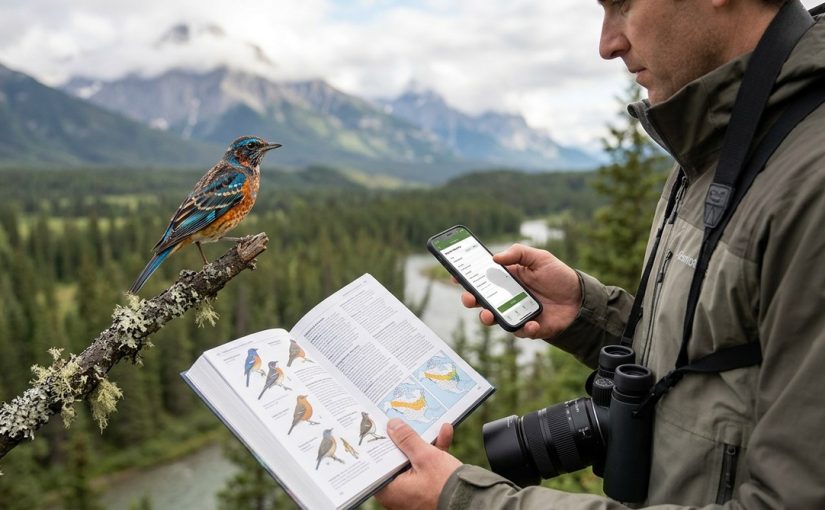
Birdwatching in Western North America offers countless surprises, especially when it comes to spotting rare birds. These elusive species can appear unexpectedly, often in surprising locations, thrilling even seasoned birders. Whether you’re a dedicated enthusiast or a casual observer, understanding how to identify and report these bird sightings enhances your experience and contributes to conservation efforts. This guide introduces you to some of the most stunning rare birds in the region and shares practical advice on finding and documenting them.
Learning to identify rare birds in Western North America requires patience, observation skills, and knowledge of their habitats. Reporting sightings helps track these species’ movements and supports conservation efforts. With the right gear and techniques, birders can enjoy the thrill of discovering these extraordinary creatures and contribute valuable data to the birding community.
Recognizing Truly Rare Birds in the Western United States
Western North America is a hotspot for bird diversity, with many species that are common and others that are rare or accidental visitors. Some birds are regular migrants or residents, but others show up only sporadically, often driven by weather, food availability, or seasonal changes. Recognizing these rare birds involves understanding their unique features, behaviors, and habitats.
Commonly, rare species are vagrants—birds that appear outside their normal range. These sightings are exciting but require careful verification. Learning about the key characteristics of these birds, along with their preferred environments, helps birders identify them accurately. For example, a vibrant, unexpected warbler in a Western forest might be a rare migrant from the east, or a colorful vagrant seabird found inland could be a pelagic species blown off course.
Top Rare Birds That Show Up in Western North America
Here are some of the most stunning rare birds that birdwatchers might encounter in the West. While some are seen annually, others are extraordinary and infrequent visitors.
- Black Vulture: A rare but increasing sight in parts of California, these scavengers are easily mistaken for Turkey Vultures but have a different wing shape and darker color.
- Elegant Tern: Usually found along the coast, this sleek seabird occasionally appears inland during migration.
- Yellow-billed Magpie: Primarily a California endemic, rare sightings outside its typical range are exciting for birders.
- Sooty Shearwater: During certain times of year, these pelagic birds are seen far inland, blown in by storms.
- Cassin’s Auklet: A small seabird that sometimes ventures into coastal waters and occasionally lands near rocky cliffs.
Vagrant and Unusual Sightings
Vagrants often turn up in unexpected spots, especially after storms or during migration. For example, a rare gull species like the Sabine’s Gull might appear inland far from its usual habitat, or a rare warbler from the eastern forests could show up during fall migration.
Practical Steps to Find and Report Rare Birds
Spotting rare birds involves a combination of preparation, patience, and knowledge. Here are some steps to enhance your chances:
-
Research Recent Sightings: Regularly check local bird alerts, online birding lists, and rare bird reports. Sites like the Western Bird Alert keep track of recent sightings and help you target likely locations.
-
Learn Key Identification Features: Study field guides and photographs of rare species. Pay attention to plumage details, size, shape, and behavior. For example, distinguishing a rare vagrant from a common species often hinges on subtle markings or call differences.
-
Visit Likely Habitats: Many rare birds favor specific environments like rocky coasts, inland lakes, or mountain valleys. Knowing where to look increases your chances. Coastal regions, especially during migration seasons, are good hotspots for seabird rarities.
-
Use the Right Equipment: A good pair of binoculars, a camera with a telephoto lens, and a field notebook are essential. Recording vocalizations using a portable recorder can also help with later identification.
-
Document Your Sighting: Take clear photos and note details such as location, time, weather conditions, and bird behavior. This information is vital when reporting the sighting.
How to Report a Rare Bird
Reporting sightings helps track bird movements and provides valuable data for research. To report a rare bird:
- Use online platforms like eBird, which allow you to submit detailed observations and upload photos.
- Contact local bird clubs or ornithological groups, such as the Waterman Bird Club, which coordinate reports and confirm rarities.
- Be thorough and honest in your description. Include details about how you identified the bird and any supporting photographs or recordings.
“Accurate documentation and timely reporting are crucial. They not only help confirm rare sightings but also contribute to understanding migration patterns and population changes,” advises experienced birders.
Techniques for Accurate Identification and Common Mistakes
Identifying rare birds can be challenging. Here are some techniques and pitfalls to avoid:
| Technique | Mistake to Avoid |
|---|---|
| Use detailed photographs | Relying solely on memory or poor-quality images |
| Listen for distinctive calls | Confusing similar-sounding species |
| Compare plumage with field guides | Overlooking subtle differences in markings or size |
| Observe behavior and habitat | Ignoring the context in which the bird is found |
Expert Advice on Confirming Rarities
“Always seek multiple lines of evidence before declaring a rare bird. Photos, recordings, and detailed notes make your identification more reliable. When in doubt, consult with local experts or regional birding groups,” recommends Dr. Jane Smith, a renowned ornithologist.
Common Techniques and Mistakes in Rare Bird Identification
Understanding the right methods can make all the difference. Here’s a quick comparison:
| Technique | Common Mistakes |
|---|---|
| Field identification | Misidentifying due to poor lighting or distance |
| Vocalization analysis | Confusing calls of similar species |
| Habitat assessment | Overlooking the importance of location clues |
| Peer consultation | Relying only on personal judgment |
Mastering these techniques involves practice and patience. Always verify your findings through multiple sources, and do not hesitate to seek help from experienced birders.
Connecting with the Birding Community
Joining local bird clubs and online forums enriches your understanding of rare birds. They often share sighting reports, photos, and tips. Participating actively can also improve your identification skills and help you stay informed about upcoming rare bird occurrences in Western North America.
A Final Word on Appreciating Western North America’s Bird Rarities
Birding in Western North America offers a chance to witness some of the continent’s most stunning and elusive species. Recognizing and reporting rare birds not only boosts your skills but also contributes valuable data to conservation efforts. Remember to respect wildlife, follow ethical birding practices, and enjoy the thrill of discovering these extraordinary creatures. Keep your binoculars handy, your camera ready, and your curiosity alive. The next rare sighting could be just around the corner.