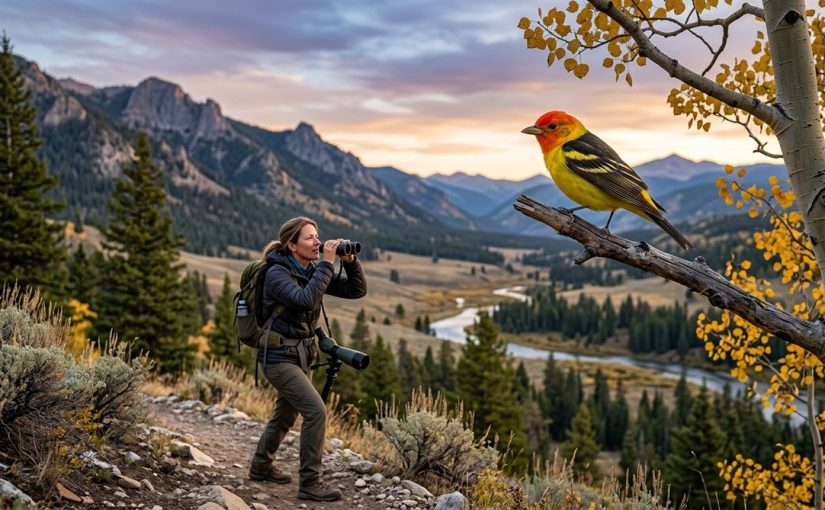
Birdwatchers in the Western United States have an exciting year ahead. 2026 is shaping up to be a remarkable time for spotting rare and elusive species. From the rugged coastlines to mountain peaks and desert valleys, the Western U.S. continues to surprise bird enthusiasts with unexpected sightings. Whether you’re a seasoned birder or a casual observer, staying informed about the latest developments can make your outings more rewarding. Let’s dive into what you need to know about the rare bird sightings in 2026 and how to make the most of this birding season.
2026 is offering birders in the Western U.S. a prime opportunity to observe rare species. Staying current with alerts, using the right tools, and understanding regional patterns can boost your chances of witnessing these extraordinary birds firsthand.
Why 2026 Is a Banner Year for Western Bird Rarities
The Western U.S. is known for its diverse ecosystems, which support a wide array of bird species. Unusual weather patterns, shifting migratory routes, and habitat changes contribute to an increase in rare bird appearances. This year, birders are reporting sightings of some spectacular species that have not been seen in the region for years. The combination of active bird monitoring and increased citizen science participation means that sightings are documented and shared rapidly.
Furthermore, advances in technology, such as real-time alerts and high-quality photography, help enthusiasts confirm and report sightings more efficiently. This creates an environment where it is possible to chase after that elusive vagrant or rare breeding visitor with confidence.
How to Stay Ahead of the Game in 2026
Getting involved in the latest sightings requires a proactive approach. Here are three practical steps for birdwatchers eager to spot rare birds in the Western U.S. this year:
-
Subscribe to reliable bird alert services: Many ornithological organizations and birding communities publish up-to-the-minute reports. Apps and websites like eBird, BirdCast, and regional birding networks provide alerts on recent sightings. Keeping notifications turned on ensures you don’t miss a potential opportunity.
-
Join regional birding groups and forums: Engaging with local bird clubs or online forums helps you access firsthand reports and coordinate excursions. These groups often organize field trips to hotspots with recent rare bird activity.
-
Use high-quality binoculars and cameras: When a rare bird appears, quick identification and documentation can make the difference. Equipment like compact spotting scopes and fast-shutter cameras aid in capturing key features for later confirmation.
Recognizing and Documenting Rare Sightings
To maximize your success, understanding how to recognize and record rare birds is essential. Look for unusual plumage, atypical size, or distinctive calls that differ from common regional species. Keep detailed notes about date, location, weather conditions, and behaviors observed.
For more detailed guidance on documenting your sightings, visit the article on Accurate reporting not only benefits your personal records but also contributes to regional bird conservation efforts.
“Always photograph or record audio of the bird if possible. Clear visuals and sound recordings help experts verify the identification and add your sighting to official databases,” advises Dr. Emily Harper, a regional ornithologist.
Common Techniques for Confirming Rare Birds
| Technique | What It Does | Common Mistakes |
|---|---|---|
| Visual comparison | Checks against field guides | Confusing similar species |
| Audio recordings | Identifies calls | Poor quality recordings |
| Multiple observations | Confirms consistency | Rushing to ID on first sighting |
| Photographs from different angles | Clarifies features | Blurry or distant shots |
Notable Sightings to Watch for in 2026
Several species have been reported with increasing frequency this year. Some of the most exciting include:
- The Pink-footed Goose, seen along Pacific Flyways.
- The Black-capped Chickadee hybrid variants in Northern California.
- The Western Tanager unexpectedly spotted in desert regions.
- The rare Sierran subspecies of the Mountain Bluebird.
These sightings highlight the importance of constant vigilance and flexibility in your birding plans. Regional hotspots such as the Salton Sea, Malheur National Wildlife Refuge, and coastal estuaries are prime locations for rare bird activity.
Techniques to Improve Your Chances
Birding in search of rarities requires patience and strategic planning. Here are some tips:
- Time your visits: Early mornings or late afternoons often yield better sightings.
- Focus on migration seasons: Fall and spring migrations are times when vagrants are most likely to appear.
- Scan hotspots regularly: Hotspots with a history of rare sightings are worth frequent visits.
- Keep a sightings journal: Track your observations to notice patterns and improve your identification skills.
Mistakes to Avoid When Chasing Rarities
| Mistake | Impact | How to Avoid |
|---|---|---|
| Overlooking habitat cues | Missed sightings | Study regional bird habitats |
| Ignoring recent alerts | Missed opportunities | Stay connected to alert sources |
| Rushing identification | False positives | Take time to verify features |
| Failing to report | Loss of valuable data | Share sightings promptly |
The Role of Technology in Discovering Rarities
Modern birders leverage technology to improve their chances. Smartphone apps can flag recent sightings nearby, while high-powered binoculars and cameras capture details that aid in confirmation. GPS devices help mark exact locations, which is useful for revisiting hotspots.
https://wfopublications.org/rare-bird-alerts-which-apps-and-resources-actually-work-best/ shares detailed reviews of the most effective tools. Using these resources can turn a fleeting glimpse into a confirmed record.
Final Tips for a Successful Birding Year in 2026
- Always carry your field guide and recording devices.
- Be respectful of habitats and follow ethical birding practices.
- Network with local birders for real-time updates.
- Keep an open mind — sometimes the rarest sightings happen unexpectedly.
Why Rarities Keep Birders Coming Back
The thrill of spotting an unusual bird in the wild remains one of the most exciting aspects of birding. Each sighting adds a layer of connection to the region’s biodiversity and inspires conservation efforts. As 2026 unfolds, the Western U.S. offers ample chances to encounter these fleeting visitors. Your dedication, combined with the right tools and information, can turn ordinary outings into extraordinary experiences.
Getting involved in the community, staying informed about recent sightings, and honing your identification skills will make this year unforgettable. Remember, every sighting helps build a richer picture of Western birdlife and supports ongoing conservation work. Keep your binoculars ready, your camera handy, and your curiosity sharp. Happy birding!