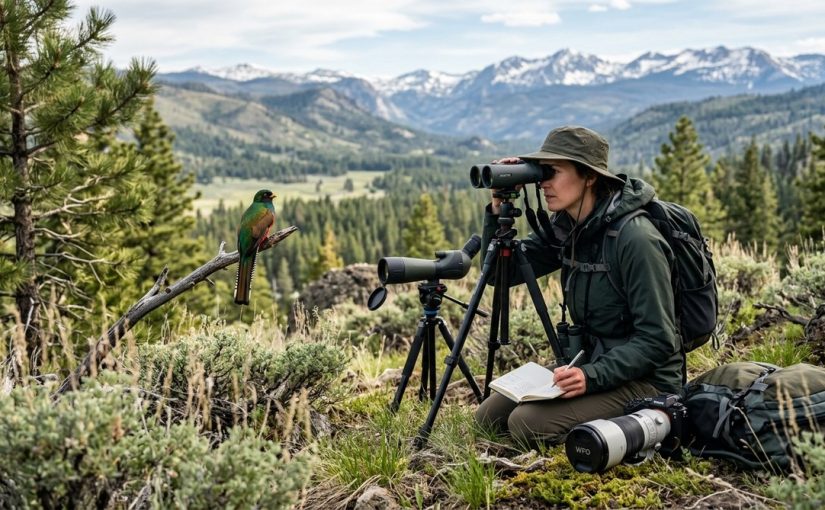
Birdwatching in Western North America offers a chance to see some of the rarest and most fascinating bird species. Throughout 2026, dedicated birders and ornithologists have reported numerous exciting sightings that highlight the region’s dynamic avian diversity. From unexpected vagrants to seasonal rarities, the year has proven to be full of surprises. Whether you’re a seasoned birder or just starting your journey, staying informed about these sightings can enhance your birding experience and deepen your appreciation for Western North America’s vibrant birdlife.
2026 has been an exceptional year for rare bird sightings across Western North America. Birders are witnessing a variety of vagrants and seasonal rarities, making it an exciting time to document and report these sightings. Staying connected with reliable alerts and understanding how to identify elusive species can greatly enrich your birding adventures this year.
Highlights of 2026’s Rare Bird Sightings in Western North America
The year 2026 has brought a remarkable influx of rare birds to Western North America. Birders have encountered species that are seldom seen in the region, often resulting from unusual migration patterns, weather events, or shifting habitats. These sightings not only thrill birdwatchers but also contribute valuable data to ongoing ornithological research. Some of the most notable observations include vagrant seabirds along the coast, rare passerines in inland forests, and unexpected winter visitors that defy typical migration routes.
How to Spot and Identify Rare Birds in the Region
Identifying rare birds can be a rewarding challenge. Here are some practical steps to help you recognize these elusive species:
- Know the key features: Familiarize yourself with the distinctive markings, size, and behavior of species that are known to appear as rarities in Western North America.
- Use reliable resources: Consult regional field guides and online databases like eBird to review recent sightings.
- Pay attention to location and timing: Rarities often appear during specific seasons or after weather events. Cross-reference your sighting with recent reports.
- Record detailed observations: Take notes on plumage, song, habitat, and behavior. Photos or recordings can be invaluable for confirmation.
- Report your sightings: Sharing your observations with birding networks helps track migration and rarity patterns.
For a thorough understanding of what makes a bird rare in this region, you can visit our detailed guide on what makes a bird ‘rare’ in Western North America.
Practical Processes for Confirming and Reporting Rarities
- Observe carefully: Use binoculars or a spotting scope to scrutinize the bird’s features.
- Compare with field guides: Cross-check your observations with authoritative resources.
- Capture evidence: Photograph or record the bird to support your identification.
- Consult experts: Share your findings with regional birding groups or online forums for confirmation.
- Submit reports: Use platforms like eBird or local bird club reports to document your sighting.
Tips for Accurate Identification
| Technique | Common Mistakes | Advice |
|---|---|---|
| Field markings | Confusing similar species | Focus on unique features like wing shape or head markings. |
| Behavior | Misinterpreting behavior | Observe movement patterns and habitat preferences carefully. |
| Sound recordings | Relying solely on calls | Use audio as a supplement, not the only evidence. |
| Timing | Ignoring seasonal patterns | Check recent sighting trends in your area. |
| Documentation | Poor photo quality | Use steady support and good lighting to improve clarity. |
“Patience and attention to detail are your best allies when trying to verify a rare bird. Always compare multiple sources and seek confirmation from experienced birders.” — Ornithological expert Dr. Emily Carter.
Top Resources for Staying Updated on 2026 Sightings
Keeping track of recent reports is crucial for discovering rarities. Several platforms and apps provide timely alerts and detailed sighting information. The eBird regional portal remains one of the most comprehensive tools for real-time data sharing. Birding networks like the Western Birding Community and regional Facebook groups also regularly post updates, photos, and discussion threads about the latest sightings. Subscribing to rare bird alerts through dedicated apps can ensure you don’t miss a surprise visit by an elusive species.
How to Document and Report Your Rare Bird Sighting Like a Pro
Accurate documentation not only aids scientific research but also helps verify your find. For detailed guidance, visit our dedicated page on how to document and report your rare bird sighting like a pro. Remember to include clear photos, detailed notes, and precise location data. Sharing your reports promptly can also inspire other birders to chase similar rarities.
The Role of Weather and Habitat Changes in Rarity Patterns
Weather events such as storms, cold fronts, or droughts influence bird movement and can bring unexpected species inland. For example, a storm-driven seabird might wash ashore or be seen far from its usual range. Habitat changes, including urban expansion or forest fires, also shift bird distributions. Keeping an eye on regional weather forecasts and habitat reports can help predict when rarities might appear.
Common Mistakes to Avoid When Reporting Rare Sightings
| Mistake | Consequence | How to Avoid |
|---|---|---|
| Relying solely on memory | Misidentification | Always photograph or record the bird. |
| Delayed reporting | Loss of data quality | Submit observations as soon as possible. |
| Overlooking habitat context | Misinterpretation | Document surroundings to support identification. |
| Ignoring multiple sources | Inaccurate reports | Cross-verify with local experts or online databases. |
Unique Rarities in 2026 That Birders Are Chasing
Several species have been repeatedly reported this year, including the Brown Booby along Southern California coast, the Black Scoter in unexpected inland lakes, and rare warblers during migration peaks. Vagrant species like the Elegant Trogon and the Painted Redstart have also made appearances far outside their typical ranges. These sightings often come after specific weather patterns or migration shifts, making them prime opportunities for birders to add a rare species to their list.
Final Thoughts for Birders in 2026
Keeping track of rare bird sightings across Western North America can turn an ordinary birding day into an unforgettable experience. By understanding the regional patterns, using reliable resources, and documenting sightings meticulously, you can contribute meaningfully to the birding community. Remember, each sighting adds to our collective knowledge and appreciation of these incredible creatures. Stay curious, be patient, and enjoy every moment out in the field. Happy birding in 2026!
Celebrating the Year of Rarities
As the year continues, new rare sightings are likely to emerge. Whether you’re chasing vagrants along the coast or spotting winter visitors inland, your observations help paint a fuller picture of Western North America’s avian landscape. Embrace the surprises that 2026 offers and keep sharing your discoveries with fellow enthusiasts. The thrill of discovering a rare bird remains one of the most rewarding aspects of birding.