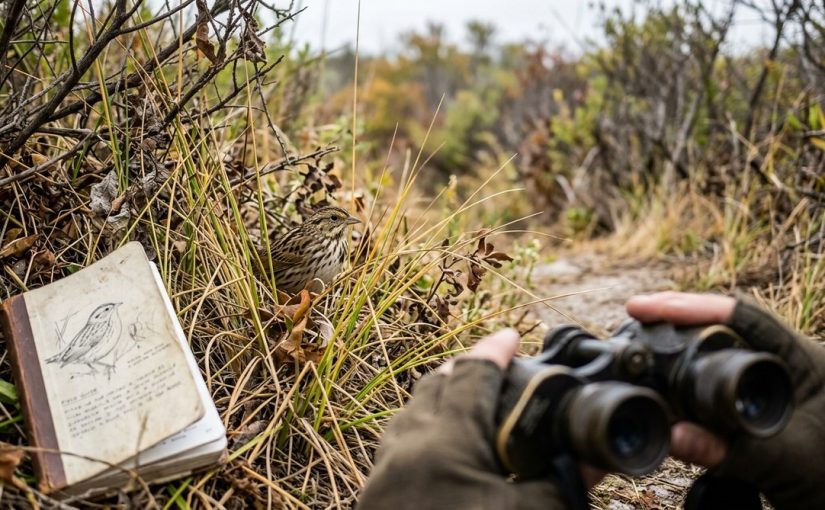
Birding in Western North America offers a thrill like no other. The continent’s diverse habitats host some of the most elusive and rare bird species. Spotting these rarities requires more than just luck. It demands knowledge, patience, and the right techniques. Whether you’re a seasoned birder or a curious newcomer, understanding where and how to find rare birds can turn an ordinary outing into a memorable adventure.
Finding rare birds in Western North America combines understanding their habitats, using targeted resources, and practicing meticulous field techniques. With patience and the right tools, bird enthusiasts can uncover some of the continent’s most elusive avian gems.
Understanding what makes a bird rare in Western North America
Before diving into how to find these birds, it’s helpful to clarify what qualifies a bird as rare. In Western North America, rarity can stem from several factors. Some species are naturally scarce due to limited ranges or specialized habitats. Others are vagrants, straying far from their usual territories. Changes in climate or habitat loss can also make certain species more difficult to find.
Knowing what makes a bird rare helps in setting realistic expectations and guiding your search. Resources like detailed field guides and bird alert apps are invaluable for staying updated on recent sightings and current rarities in specific regions.
Key regions and habitats for rare birds in Western North America
Certain locations stand out as hotspots for spotting rare birds. The Pacific Northwest’s mountains and forests, California’s coast and wetlands, and the Great Basin’s high deserts all host unique avian communities.
Mountain and forest habitats
High elevations and dense forests are prime spots for species like the Black Swift or the Northern Goshawk. These birds often stay hidden, making knowledge of their preferred environments critical.
Coastal and wetland areas
Salt marshes, estuaries, and lagoons attract rarities such as the Elegant Tern or the Surfbird. Tidal zones are especially good for observing shorebirds that are not commonly seen inland.
Desert and grassland regions
Vagrant species like the Bendire’s Thrasher or the Thicket Tinamou sometimes appear in these arid zones. Spotting them can involve following recent reports and understanding their preferred microhabitats.
Practical steps to find rare birds in Western North America
- Follow recent sightings and alerts
- Study habitat preferences and migration patterns
- Practice patient and discreet observation
1. Follow recent sightings and alerts
Keeping tabs on bird alert networks and apps is vital. Resources like eBird or the American Birding Association’s Rare Bird Alert provide real-time updates on rare bird sightings. These platforms often include location details, photos, and descriptions from observers.
2. Study habitat preferences and migration patterns
Understanding where and when rare birds are likely to appear increases your chances. For example, vagrant warblers often show up during fall migration along specific routes. Using books and online summaries helps identify these patterns.
3. Practice patient and discreet observation
Rare birds tend to be skittish. Approaching with patience and quietness minimizes disturbance and improves your chances of a close look. Using binoculars and a spotting scope can make a big difference in identification.
Techniques for finding and identifying elusive species
| Technique | Common Mistakes | Tips |
|---|---|---|
| Listening for calls and songs | Ignoring background noise | Use a good quality recorder to capture and analyze calls later |
| Using playback cautiously | Overusing playback and disturbing birds | Play calls sparingly and ethically, respecting the bird’s well-being |
| Covering a variety of habitats | Focusing too narrowly | Check multiple habitats during a trip for a broader chance |
| Tracking recent reports | Relying solely on old sightings | Always verify the latest updates and recent sightings |
Expert advice: “Patience is your best friend. Rare birds often appear in the early morning or late afternoon. Spend time quietly observing and listening in known hotspots.”
Essential gear and resources for rare bird hunting
- Field guide tailored to Western North America species
- Bird call recordings and apps
- High-quality binoculars and spotting scopes
- Notepad or digital device for recording sightings
- Current rare bird alerts via apps or websites
Recommended resources
- The Cornell Lab’s All About Birds website offers comprehensive info on bird habits and recent sightings
- https://wfopublications.org/rare-bird-alerts-which-apps-and-resources-actually-work-best/ provides insights into the best alert systems
- Local bird clubs and nature centers often host guided trips and can provide valuable local knowledge
Documenting and reporting your sightings
When you encounter a rare bird, accurate documentation helps validate the sighting and contributes to conservation efforts. Take clear photos, record detailed descriptions, and note the location and habitat. Sharing your find on platforms like eBird helps other birders stay informed and supports research.
For a comprehensive guide on this process, https://wfopublications.org/how-to-document-and-report-your-rare-bird-sighting-like-a-pro/ offers practical tips for enthusiasts.
Common pitfalls and how to avoid them
| Mistake | How to prevent it | Explanation |
|---|---|---|
| Misidentifying species | Double-check features and calls | Many rare birds resemble common species; verify with field guides |
| Relying on outdated reports | Always check recent sightings | Bird movements change quickly; recent info is critical |
| Disturbing the bird | Approach quietly and ethically | Respect wildlife to keep future sightings possible |
Getting closer to the rarities
Persistence and knowledge open doors to discovering Western North America’s elusive birds. Keep chasing recent reports, learn their habitats, and practice stealthy observation. Every sighting might be a once-in-a-lifetime moment.
Rarities in Western North America worth the effort
Some species are so rare that they draw birders from across the globe. The Ivory-billed Woodpecker, which may still be extant in remote forests, remains legendary. Others, like the Pink-footed Shearwater, appear sporadically along the coast. Staying informed and prepared increases your chances of encountering these extraordinary birds.
Final encouragement for birders chasing rarities
Patience, curiosity, and respect for nature serve as your best tools. By honing your skills, utilizing available resources, and maintaining a keen eye, you can uncover some of Western North America’s most elusive and spectacular birds. Keep your binoculars ready and your spirit eager for discovery. The next rare sighting could be just around the corner.