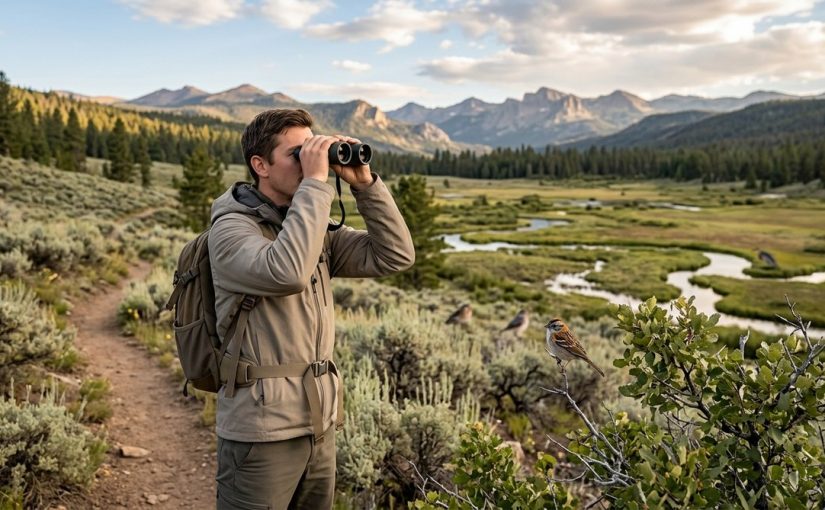
Bird enthusiasts and ornithologists in the western United States are always eager to learn about rare bird sightings. 2026 has already brought an exciting array of unusual avian visitors to the region. From the rugged coastlines of California to the mountain ranges of Colorado, rare birds continue to surprise birders and researchers alike. Keeping track of these sightings not only fuels the passion for birding but also contributes to conservation efforts. This guide provides the most recent reports on rare bird sightings across the western U.S. in 2026 and offers practical tips for identifying, documenting, and sharing your own discoveries.
2026 has seen a remarkable number of rare bird sightings across the western U.S. Keeping up with these reports helps birders find new species, contribute valuable data, and enjoy the thrill of the chase in diverse habitats from coast to mountain. Accurate documentation and active participation in birding communities enhance the experience and support conservation efforts.
Recent Highlights of Western Bird Rarities in 2026
The western U.S. continues to be a hotspot for bird rarities. Sightings of species once thought to be vagrant or lost to the region have become more frequent thanks to changing migration patterns and climate shifts. Birders have reported some stunning discoveries this year, including unusual warblers, seabirds, and even a few species that are rarely seen outside specialized habitats.
Notable Sightings of 2026
Some of the most exciting recent sightings include a rare Gray Kingbird spotted along California’s coast, and a highly unusual sighting of a MacGillivray’s Warbler in Nevada’s Great Basin. Meanwhile, reports of a Western Tanager in the lowlands of Arizona have kept birders busy. The Pacific Northwest has also seen a surge in vagrant species, with reports of a Tufted Puffin inland and a Snowy Owl perched atop a mountain in Oregon.
How to Stay Updated on Latest Sightings
To keep pace with these sightings, birders rely on dedicated regional alert systems and online reporting platforms. The Western Birding Network offers real-time updates, helping enthusiasts plan their outings more effectively. These platforms compile reports from birders, researchers, and citizen scientists, ensuring you see the most recent and verified information.
How to Identify and Confirm Rare Birds
Spotting a rare bird requires sharp observation skills and a good understanding of species’ field marks. The following steps will help you confirm your sighting and contribute meaningful data.
Practical Process for Confirming Rare Bird Sightings
-
Record Clear Photos and Recordings
Capture detailed images from multiple angles. Use a quality camera or smartphone with a telephoto lens. Record the bird’s vocalizations if possible. -
Note the Location and Behavior
Document the habitat, elevation, and surrounding environment. Observe the bird’s feeding habits, flight pattern, and any distinctive behaviors. -
Compare with Field Guides and Resources
Use regional field guides, online identification tools, or apps like Merlin Bird ID. Cross-reference your observations with known species and vagrant records. -
Consult Experts and Community Forums
Share your findings on platforms like eBird or BirdChat to seek feedback from experienced birders or ornithologists. -
Report Your Sighting
Submit your verified observations to regional alert systems or scientific databases. Accurate reporting supports ongoing research and conservation.
Techniques for Accurate Identification
| Technique | Common Mistakes |
|---|---|
| Observing plumage details | Confusing juvenile or molting birds with adults |
| Listening to calls and songs | Misidentifying similar-sounding species |
| Examining wing and tail shape | Overlooking subtle differences in flight |
| Checking habitat preferences | Overgeneralizing habitat ranges for species |
“Always take multiple photos and note behavioral traits when reporting a rare bird. These details help verify the sighting and increase its value to science,” advises Dr. Emily Carter, an ornithologist specializing in western bird migrations.
Useful Resources for Bird Identification
- Regional field guides tailored for the western U.S.
- Birding apps with high-quality sound recordings and image databases
- Community sighting reports on platforms like eBird
- Local bird clubs and conservation organizations
Sharing and Documenting Your Rarity Finds
Accurate documentation enhances the credibility of your sighting. Write detailed descriptions, include precise location data, and upload high-resolution images or recordings. For official records, follow regional guidelines for submitting reports. Remember, your findings may help identify new vagrant pathways or shifts in bird distribution caused by climate change.
How to Report Your Sightings Effectively
- Use clear, concise language with specific details.
- Attach supporting photos or recordings.
- Include date, time, and exact location coordinates.
- Follow regional protocols for submitting sightings.
Common Mistakes to Avoid When Reporting
| Mistake | Explanation |
|---|---|
| Vague location descriptions | Precise GPS coordinates are more reliable than general areas |
| Ignoring behavioral notes | Behavior can be key in confirming rare species |
| Poor quality images | Clear photos are essential for verification |
| Delayed reporting | Immediate reports help track bird movements in real time |
Techniques to Enhance Your Rarity Chasing Skills
Developing expertise in identifying Western rarities involves consistent practice and study. Here are some techniques to sharpen your skills:
- Regularly review recent sightings and compare with your field observations.
- Join local birding groups to share knowledge and experiences.
- Attend birding workshops focusing on rare species identification.
- Practice recording bird calls and analyzing subtle plumage differences.
| Technique | Common Mistake |
|---|---|
| Field journaling with sketches | Relying solely on memory can lead to misidentification |
| Listening to recordings repeatedly | Confusing similar calls without context |
| Participating in birding trips | Overlooking small details in haste |
Patterns in Western Bird Rarities and Their Causes
Understanding why certain species appear as rarities in the western U.S. can deepen your appreciation for these occurrences. Changes in migration routes, climate fluctuations, and habitat alterations all influence bird distribution.
“Many of the unexpected sightings in 2026 can be linked to shifting weather patterns that push vagrant species inland,” explains ornithologist David Liu. “Keeping an eye on weather forecasts and storm systems can help anticipate when and where rarities might turn up.”
Regional climate anomalies can cause species like the Black-headed Gull or the Eurasian Wigeon to appear far outside their usual ranges. These vagrants often alert birders to the dynamic nature of bird migration and habitat use.
Final Tips for Staying Ahead in the Rarity Game
- Regularly check regional bird alert systems and social media groups.
- Stay current with scientific publications on western bird migration trends.
- Keep a well-equipped field kit ready at all times.
- Share your sightings with detailed notes and photographs to support science.
Rarity Hunting in the Western U.S. Continues to Thrill
Tracking the latest rare bird sightings in the western U.S. in 2026 offers birders a chance to witness extraordinary avian visitors and contribute to ongoing research. By staying informed, honing identification skills, and sharing your findings, you become part of a vibrant community dedicated to understanding and conserving Western North America’s bird diversity. Gather your gear, keep your eyes sharp, and get ready for the next unexpected feathered visitor to cross your path.