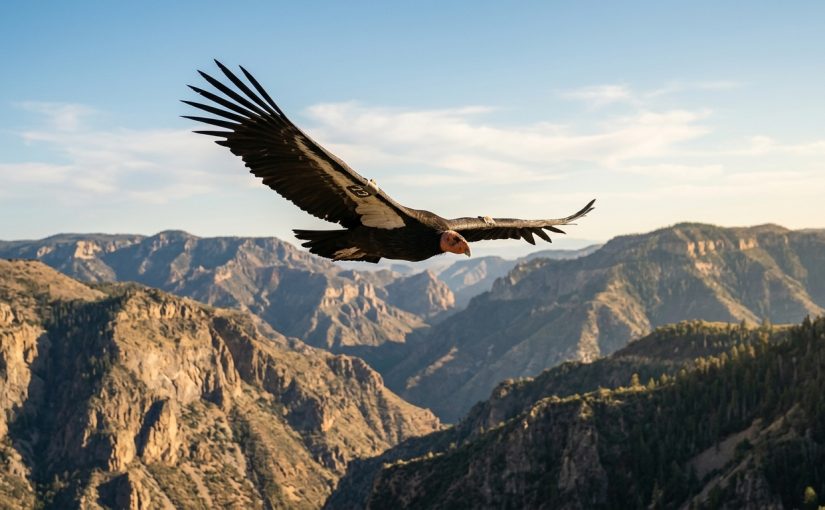
The California condor nearly vanished from Earth in 1987. Only 22 birds remained, all captured and placed in breeding facilities as a last resort. Today, more than 500 condors soar over California, Arizona, Utah, and Baja California. This dramatic recovery represents one of the most intensive and expensive wildlife rescue efforts in history, but the work is far from finished.
California condor conservation transformed a population of 22 captive birds in 1987 into over 500 individuals flying wild today. Success came through captive breeding, lead ammunition reduction, habitat protection, and constant monitoring. Ongoing threats like lead poisoning, microtrash ingestion, and powerline collisions mean condors still depend on human intervention for survival. Recovery demonstrates both wildlife resilience and the long-term commitment required to save critically endangered species.
Why the California Condor Nearly Went Extinct
California condors faced a perfect storm of threats throughout the 20th century. Lead poisoning from ammunition fragments in gut piles and carcasses killed birds at alarming rates. Habitat loss reduced nesting sites and foraging areas. Shooting, egg collecting, and museum specimen hunting reduced populations before legal protections existed. DDT contamination thinned eggshells, causing breeding failures across California’s raptor populations.
By the 1980s, biologists tracked every remaining wild condor. The population dropped below 30 birds. A fierce debate erupted about whether to capture all remaining condors for captive breeding or let the species take its chances in the wild. Scientists worried that removing every wild bird would eliminate natural behaviors and doom reintroduction efforts. Others argued that without intervention, condors would disappear within years.
The decision to capture all remaining wild condors in 1987 was controversial but necessary. The 22 birds entered facilities at the San Diego Wild Animal Park and Los Angeles Zoo. Breeding programs began immediately.
How Captive Breeding Saved the Species
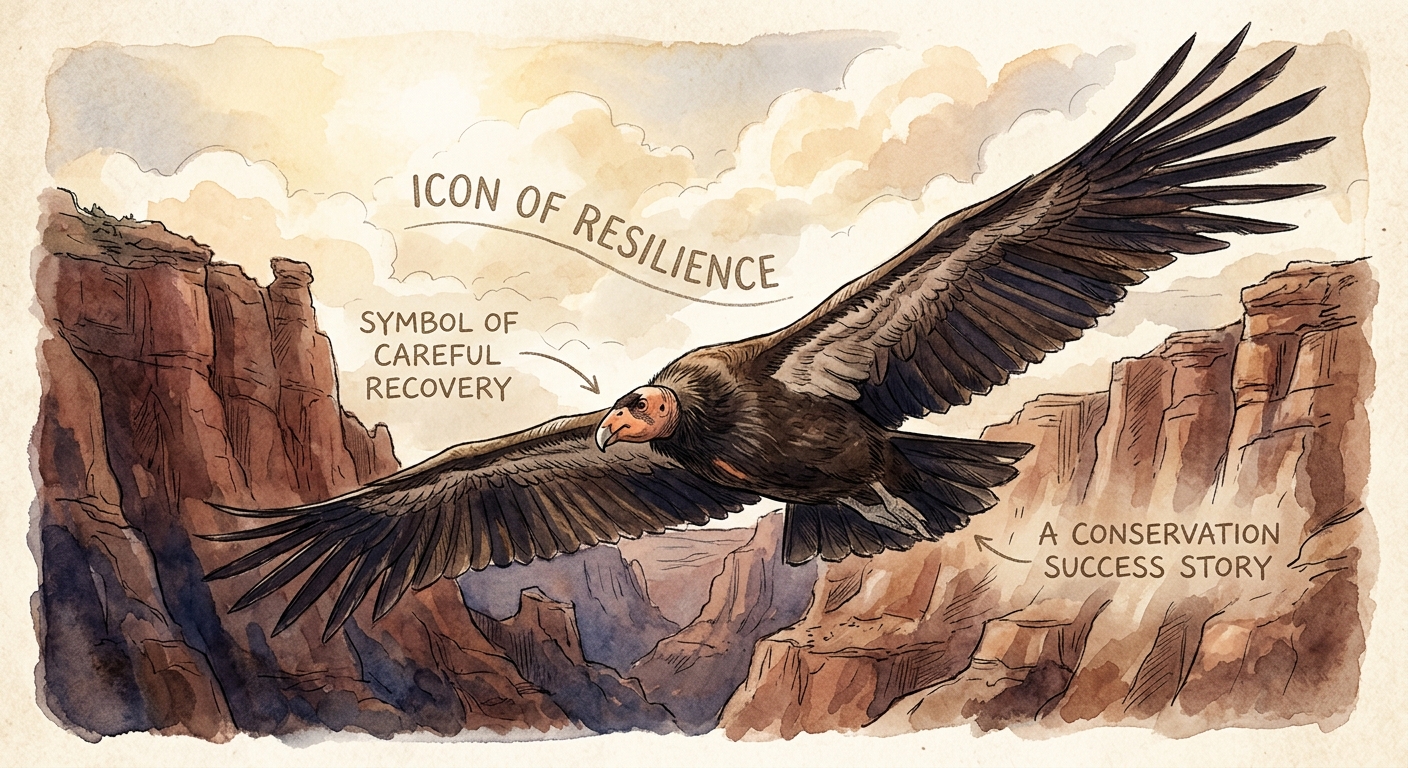
Captive breeding programs faced significant challenges. Condors mature slowly, reaching breeding age at six to eight years. Females typically lay only one egg every other year. Biologists used a technique called double clutching to increase reproduction rates. When keepers removed the first egg for hand-rearing, females often laid a replacement egg, doubling annual production.
The breeding program followed strict genetic management protocols. Studbooks tracked every bird’s lineage to prevent inbreeding. Facilities coordinated breeding recommendations to maintain genetic diversity. Puppet feeding techniques prevented chicks from imprinting on humans. Keepers used condor hand puppets to feed nestlings, ensuring young birds identified with their own species rather than caretakers.
The first captive-bred condors hatched in 1988. By 1991, the population had grown enough to begin reintroduction planning. The first release occurred in 1992 at a site north of Los Angeles. Early releases taught biologists hard lessons about the challenges of returning captive-raised birds to the wild.
Reintroduction Sites and Release Strategies
California condor conservation now operates at multiple release sites across the species’ historic range:
- Pinnacles National Park, California
- Big Sur coast, California
- Hopper Mountain National Wildlife Refuge, California
- Vermilion Cliffs, Arizona
- Zion National Park, Utah
- Sierra de San Pedro Mártir, Baja California, Mexico
Each site offers different advantages. Coastal California locations provide marine mammal carcasses as food sources. Arizona and Utah sites offer vast wilderness areas with fewer human conflicts. The Baja California population represents an important international collaboration and genetic reservoir.
Release strategies evolved significantly since 1992. Early releases used a technique called hard release, where birds were simply freed without preparation. Many died from powerline electrocutions, lead poisoning, or inability to find food. Modern releases employ soft release methods. Birds spend months in on-site flight pens, learning the local landscape before release. Mentoring by older, experienced condors helps young birds develop survival skills.
The Ongoing Battle Against Lead Poisoning
Lead poisoning remains the primary threat to California condor survival. Condors scavenge on deer, elk, and other animals shot by hunters. Ammunition fragments scatter throughout carcasses and gut piles. A single lead bullet can fragment into hundreds of pieces. Condors ingest these fragments while feeding, causing neurological damage, organ failure, and death.
Blood testing reveals that most wild condors show lead exposure at some point. Many require chelation therapy to remove lead from their systems. Some birds undergo treatment multiple times throughout their lives. Without regular trapping and treatment, lead poisoning would likely drive the population back toward extinction.
California banned lead ammunition for hunting in condor range in 2008, expanding to a statewide ban in 2019. Arizona established voluntary non-lead ammunition programs in condor habitat. These efforts have reduced but not eliminated lead exposure. Compliance remains incomplete, and legacy lead ammunition continues to enter the environment through old gut piles and unretrieved carcasses.
“Every condor we’ve tested has been exposed to lead at some point. Until we eliminate lead ammunition from the landscape entirely, condors will continue to require intensive management and medical intervention.” – Field biologist statement from recovery program documentation
Additional Threats Facing Wild Condors
Lead poisoning dominates conservation discussions, but condors face numerous other threats:
Microtrash ingestion kills condors regularly. Birds collect bottle caps, glass shards, and plastic fragments to feed their chicks. Nestlings cannot digest these items, leading to starvation or internal injuries. Biologists now monitor nests and remove microtrash when possible, but preventing ingestion remains difficult.
Powerline collisions and electrocutions caused many early post-release deaths. Condors have nine-foot wingspans and poor maneuverability around infrastructure. Utility companies have retrofitted thousands of poles in condor habitat with safer designs, significantly reducing this threat.
Habitat loss continues in some areas. Development, energy projects, and recreational use can disturb nesting sites. Condors require large territories and undisturbed cliff faces for breeding. Protection of suitable habitat remains essential for long-term recovery.
Genetic diversity concerns persist despite careful breeding management. The entire population descended from 14 founders. Limited genetic variation may affect disease resistance and adaptability. Researchers monitor genetic health and make breeding recommendations to preserve remaining diversity.
Conservation Techniques and Common Mistakes
| Technique | How It Works | Common Mistake to Avoid |
|---|---|---|
| Puppet rearing | Condor puppets feed chicks to prevent human imprinting | Allowing chicks to see human faces during feeding |
| Double clutching | Removing first egg prompts replacement laying | Taking eggs too early before female is physiologically ready |
| Soft release | Flight pens at release sites allow landscape familiarization | Releasing birds before they demonstrate strong flight skills |
| Lead testing | Regular blood draws detect lead exposure early | Waiting for clinical symptoms before testing |
| Microtrash monitoring | Nest cameras and inspections identify ingestion risks | Only checking nests after chick mortality occurs |
| Aversion training | Teaching birds to avoid powerlines and humans | Insufficient repetition for learned behaviors to persist |
What Recovery Means for California Condor Conservation
The recovery program has achieved remarkable success by some measures. Population numbers increased from 22 to over 500 birds in roughly 35 years. Wild breeding pairs now raise chicks successfully at multiple sites. The species returned to areas where it had been absent for decades.
However, California condor conservation remains intensive and expensive. The program costs millions annually. Every wild condor wears identification tags and radio transmitters. Biologists track movements, test blood lead levels, and provide supplemental food at feeding stations. Many nests receive monitoring cameras. Sick or injured birds enter treatment facilities regularly.
This level of intervention raises important questions about what recovery means. The species survives, but cannot persist without constant human support. True recovery would mean self-sustaining populations that don’t require regular medical treatment, supplemental feeding, or intensive monitoring. California condor conservation has prevented extinction but hasn’t yet achieved full ecological recovery.
Steps You Can Take to Support Condor Conservation
Individual actions can support California condor conservation efforts:
-
Choose non-lead ammunition if you hunt in condor range or anywhere scavengers feed on game animals. Copper and other alternatives perform effectively without poisoning wildlife. Many states offer free or subsidized non-lead ammunition to hunters.
-
Pack out all trash when visiting condor habitat. Bottle caps, glass fragments, and small plastic items attract condors and kill chicks. Leave no trace principles protect condors and other wildlife.
-
Report condor sightings to recovery program coordinators. Citizen observations help biologists track movements and identify new territories. Most condors wear visible wing tags with identification numbers.
-
Support habitat protection efforts in condor range. Conservation easements, land acquisitions, and development restrictions maintain the large, undisturbed territories condors require.
-
Educate others about condor conservation challenges and successes. Public support sustains funding for recovery programs and builds political will for protective regulations.
The Future of North America’s Largest Bird
California condor conservation stands at a crossroads. The species survived its closest brush with extinction, but full recovery remains distant. Lead ammunition phase-outs need stronger enforcement and broader geographic scope. Genetic management will require careful planning for generations. Climate change may alter habitat suitability and food availability in ways we don’t yet understand.
New technologies offer hope. GPS transmitters provide detailed movement data. Genetic analysis identifies birds that carry valuable genetic diversity. Improved veterinary techniques increase survival rates for lead-poisoned birds. Partnerships between government agencies, zoos, tribal nations, and conservation organizations pool resources and expertise.
The condor’s story demonstrates both the power and limitations of intensive species recovery efforts. We can prevent extinction through determined intervention, but creating truly wild, self-sustaining populations requires addressing root causes like lead ammunition and habitat loss. The condor’s fate ultimately depends on whether we’re willing to make the landscape safe for these magnificent birds to live without constant human assistance.
California condor conservation continues to evolve. Each generation of released birds teaches biologists new lessons. Each policy change moves closer to removing the threats that nearly caused extinction. The condors soaring over California’s coast and Arizona’s canyons represent thousands of hours of human effort, millions of dollars in funding, and an unwavering commitment to preventing extinction. Their survival proves that even species on the brink can recover when we dedicate ourselves to their protection.