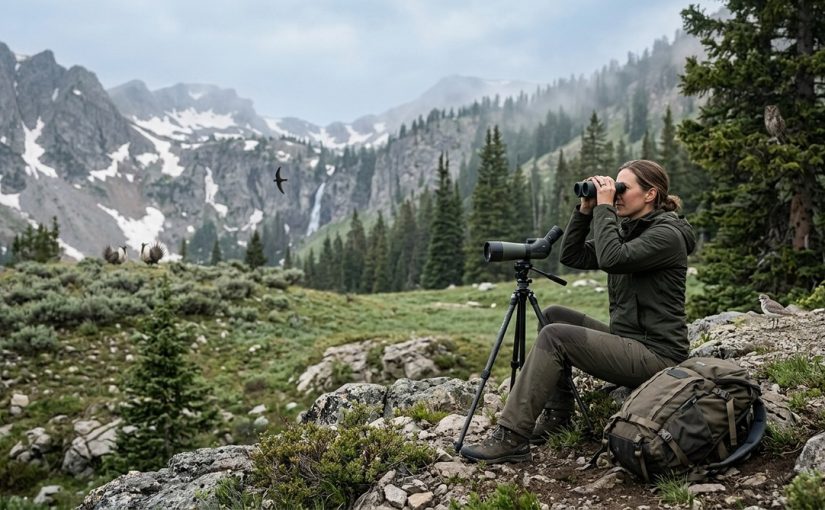
Birdwatching in the western United States offers countless adventures, especially when seeking out the most elusive species. Each year brings fresh opportunities to spot rare birds that often evade even seasoned birders. In 2026, the list of elusive western birds continues to challenge birdwatchers, inspiring them to refine their skills and expand their knowledge. This guide unveils the top 10 elusive western birds in 2026 and shares practical tips to help you find them. Whether you’re a beginner or a seasoned birder, understanding where and how to look is key to connecting with these feathered rarities.
In 2026, spotting western rare birds requires patience, knowledge of their habits, and strategic searching. Using recent sightings, field guides, and bird alerts makes finding these elusive species more attainable and rewarding.
Why Western Bird Enthusiasts Chase Elusive Species
Western North America is home to an incredible diversity of birdlife. Yet some species remain difficult to see because of their secretive habits, remote habitats, or low population numbers. For birders, spotting a rare bird can be a thrilling achievement. It often involves careful planning, understanding bird behavior, and utilizing the right tools. The allure of these elusive species lies in their rarity and the challenge they pose. Finding them helps deepen your connection to the natural world and contributes valuable sightings to birding communities.
The Top 10 Elusive Western Birds in 2026
Here’s the list of the most sought-after elusive species in the western US for 2026. Each bird presents unique challenges and opportunities for observation.
1. California Condor
Despite conservation efforts, the California Condor remains a rare sight in the wild. They inhabit remote regions of California and Arizona. Spotting one often requires visiting protected areas like Pinnacles National Park or the Grand Canyon, and patience is essential. Look for their soaring flight and large wingspan, especially during the winter months when they congregate at carcass sites.
2. Black Swift
These high-altitude birds nest in rugged cliffs across the western mountains. They are seldom seen away from their nesting sites. To find a Black Swift, birders should focus on canyon areas during the breeding season. Listen for their distinctive chattering calls at dawn or dusk.
3. Evening Grosbeak
Winter brings these striking yellow and black finches into Western forests and mountain ranges. They often appear suddenly during cold snaps, feeding on conifer seeds. Birders should keep an eye on bird feeders in forested areas to increase chances of sightings.
4. Lewis’s Woodpecker
Known for its glossy green back and striking red face, Lewis’s Woodpecker favors riparian woodlands and open forests. They are difficult to spot because they stay high in trees and are more active during the breeding season. Look for their unique flight pattern and bright coloration.
5. Gray-crowned Rosy Finch
These hardy finches breed in high mountain tundra and descend to lower elevations in winter. Finding them involves visiting alpine areas during winter months, especially around rocky outcroppings and snowfields. Their subtle coloration makes visual identification challenging.
6. Green-tailed Towhee
Preferring dense brush and thickets, the Green-tailed Towhee is more often heard than seen. They inhabit shrublands and forest edges across the Southwest. Listen for their distinctive song and watch for their tail flicking behavior.
7. Dusky Flycatcher
This small insectivore nests in high elevation forests and is a challenge to observe due to its reserved behavior. Focus on deciduous trees along mountain streams during migration periods to catch a glimpse.
8. Yellow-billed Cuckoo
Rare in the West, this secretive bird favors riparian forests and thick shrublands. Its elusive nature makes it a prized find. Listen for its distinctive call and search during early mornings in dense vegetation.
9. Black-throated Gray Warbler
While more common than others on this list, the Black-throated Gray Warbler remains elusive away from breeding grounds. Look for it in pine-oak forests during spring and early summer, especially in canyon areas.
10. Red-naped Sapsucker
This woodpecker prefers montane forests and is often hidden among dense foliage. Search for it by listening for its drumming and watching for its distinctive red crown patch during breeding season.
How To Find These Rarities in 2026
Locating these elusive western birds involves a combination of research, strategic planning, and field skills. Follow these step-by-step methods to improve your chances:
- Stay Updated with Recent Sightings
Birding communities and apps provide real-time alerts. Websites like eBird and regional birding groups frequently update sightings. Tracking recent reports helps identify hotspots and times when these birds are active.
- Use Targeted Field Guides and Resources
Invest in regional field guides that focus on western North American species. These guides often include detailed descriptions, maps, and tips for finding elusive birds. Local birding organizations often offer workshops and guided walks that focus on rare species.
- Learn Bird Calls and Songs
Many elusive birds are more often heard than seen. Using audio recordings from resources like the Macaulay Library or BirdNET can help you recognize their calls in the field. Practice listening and matching sounds during your outings.
- Visit Prime Habitats at the Right Time
Habitat is key. Research each species’ preferred environment and plan visits during their breeding or migration seasons. Early mornings and late afternoons are usually the best times for sightings.
- Use Camouflage and Quiet Observation Techniques
Approach quietly and blend into the environment. Use binoculars with good magnification to scan difficult-to-see areas. Patience is crucial when waiting for shy birds to reveal themselves.
Practical Process for Birding Success
- Research and plan based on recent sightings.
- Identify prime habitats and optimal times.
- Carry essential gear like binoculars, a field guide, and a recording device.
- Practice bird call recognition.
- Be patient, quiet, and observant when in the field.
Techniques and Common Mistakes
| Technique | Mistake to Avoid |
|---|---|
| Visiting known hotspots during peak seasons | Ignoring recent sighting updates |
| Listening for bird calls actively | Rushing through habitats without focus |
| Using high-quality optics | Relying solely on sight, ignoring calls |
| Recording sightings and calls | Assuming a bird is not present without thorough checking |
Expert Advice for the Persistent Birder
“Finding elusive western birds often requires a mix of patience, preparation, and a bit of luck. Staying connected with local birding communities and keeping up with recent reports dramatically increases your chances.” — Ornithology expert Dr. Laura Jennings
Wrapping Up Your Rarity Quest in 2026
Chasing after the top elusive western birds in 2026 offers rewarding moments and valuable learning opportunities. Remember, each sighting contributes to your experience and adds to the collective knowledge of these rare species. Keep your gear ready, stay updated, and respect the habitats you visit. With dedication and a strategic approach, many birders will add new rare species to their life lists this year.
Happy birding, and may your field days be filled with exciting discoveries!