Uncover the Latest Rare Bird Sightings in Western North America During 2026

Birdwatching in Western North America offers a chance to see some of the rarest and most fascinating bird species. Throughout 2026, dedicated birders and ornithologists have reported numerous exciting sightings that highlight the region’s dynamic avian diversity. From unexpected vagrants to seasonal rarities, the year has proven to be full of surprises. Whether you’re a seasoned birder or just starting your journey, staying informed about these sightings can enhance your birding experience and deepen your appreciation for Western North America’s vibrant birdlife.

Key Takeaway

2026 has been an exceptional year for rare bird sightings across Western North America. Birders are witnessing a variety of vagrants and seasonal rarities, making it an exciting time to document and report these sightings. Staying connected with reliable alerts and understanding how to identify elusive species can greatly enrich your birding adventures this year.

Highlights of 2026’s Rare Bird Sightings in Western North America

The year 2026 has brought a remarkable influx of rare birds to Western North America. Birders have encountered species that are seldom seen in the region, often resulting from unusual migration patterns, weather events, or shifting habitats. These sightings not only thrill birdwatchers but also contribute valuable data to ongoing ornithological research. Some of the most notable observations include vagrant seabirds along the coast, rare passerines in inland forests, and unexpected winter visitors that defy typical migration routes.

How to Spot and Identify Rare Birds in the Region

Identifying rare birds can be a rewarding challenge. Here are some practical steps to help you recognize these elusive species:

  1. Know the key features: Familiarize yourself with the distinctive markings, size, and behavior of species that are known to appear as rarities in Western North America.
  2. Use reliable resources: Consult regional field guides and online databases like eBird to review recent sightings.
  3. Pay attention to location and timing: Rarities often appear during specific seasons or after weather events. Cross-reference your sighting with recent reports.
  4. Record detailed observations: Take notes on plumage, song, habitat, and behavior. Photos or recordings can be invaluable for confirmation.
  5. Report your sightings: Sharing your observations with birding networks helps track migration and rarity patterns.

For a thorough understanding of what makes a bird rare in this region, you can visit our detailed guide on what makes a bird ‘rare’ in Western North America.

Practical Processes for Confirming and Reporting Rarities

  1. Observe carefully: Use binoculars or a spotting scope to scrutinize the bird’s features.
  2. Compare with field guides: Cross-check your observations with authoritative resources.
  3. Capture evidence: Photograph or record the bird to support your identification.
  4. Consult experts: Share your findings with regional birding groups or online forums for confirmation.
  5. Submit reports: Use platforms like eBird or local bird club reports to document your sighting.

Tips for Accurate Identification

Technique Common Mistakes Advice
Field markings Confusing similar species Focus on unique features like wing shape or head markings.
Behavior Misinterpreting behavior Observe movement patterns and habitat preferences carefully.
Sound recordings Relying solely on calls Use audio as a supplement, not the only evidence.
Timing Ignoring seasonal patterns Check recent sighting trends in your area.
Documentation Poor photo quality Use steady support and good lighting to improve clarity.

“Patience and attention to detail are your best allies when trying to verify a rare bird. Always compare multiple sources and seek confirmation from experienced birders.” — Ornithological expert Dr. Emily Carter.

Top Resources for Staying Updated on 2026 Sightings

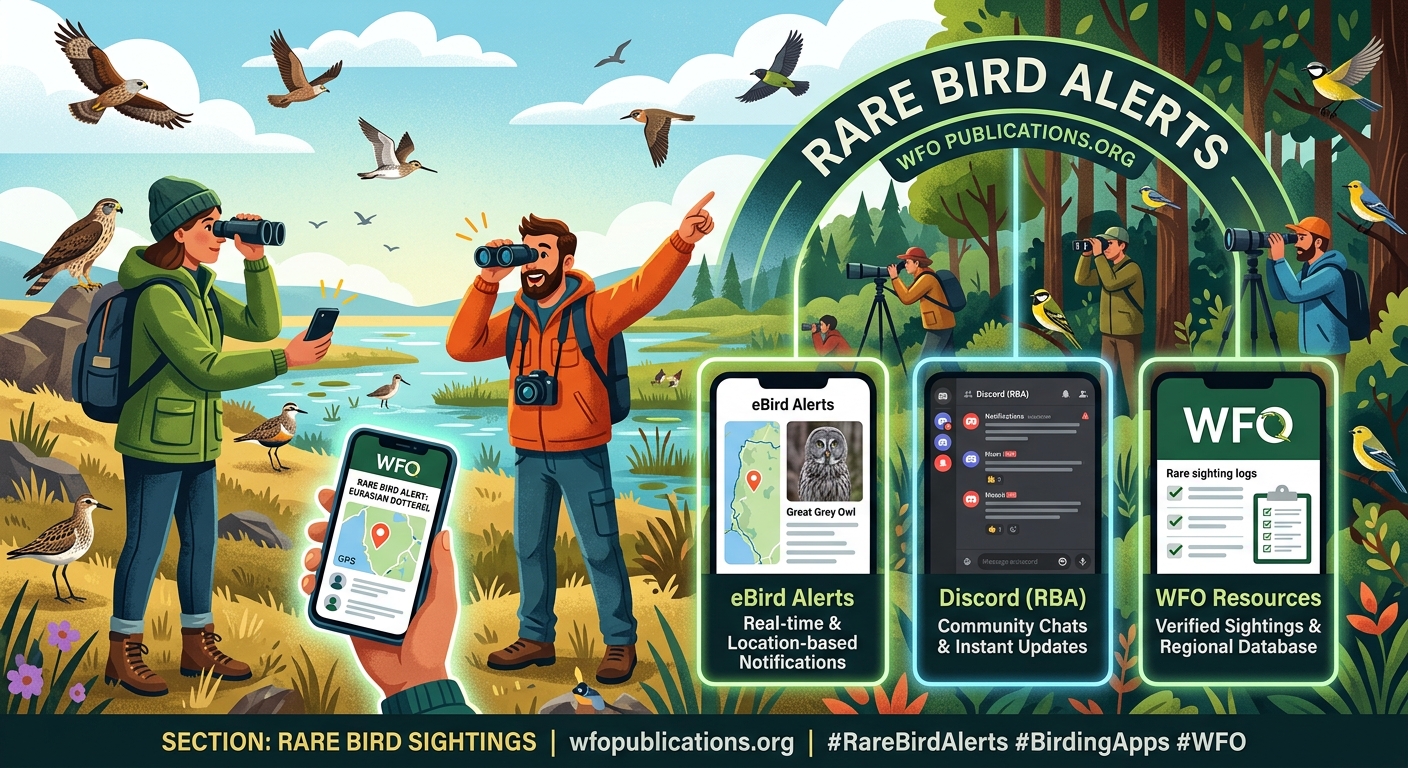
Keeping track of recent reports is crucial for discovering rarities. Several platforms and apps provide timely alerts and detailed sighting information. The eBird regional portal remains one of the most comprehensive tools for real-time data sharing. Birding networks like the Western Birding Community and regional Facebook groups also regularly post updates, photos, and discussion threads about the latest sightings. Subscribing to rare bird alerts through dedicated apps can ensure you don’t miss a surprise visit by an elusive species.

How to Document and Report Your Rare Bird Sighting Like a Pro

Accurate documentation not only aids scientific research but also helps verify your find. For detailed guidance, visit our dedicated page on how to document and report your rare bird sighting like a pro. Remember to include clear photos, detailed notes, and precise location data. Sharing your reports promptly can also inspire other birders to chase similar rarities.

The Role of Weather and Habitat Changes in Rarity Patterns

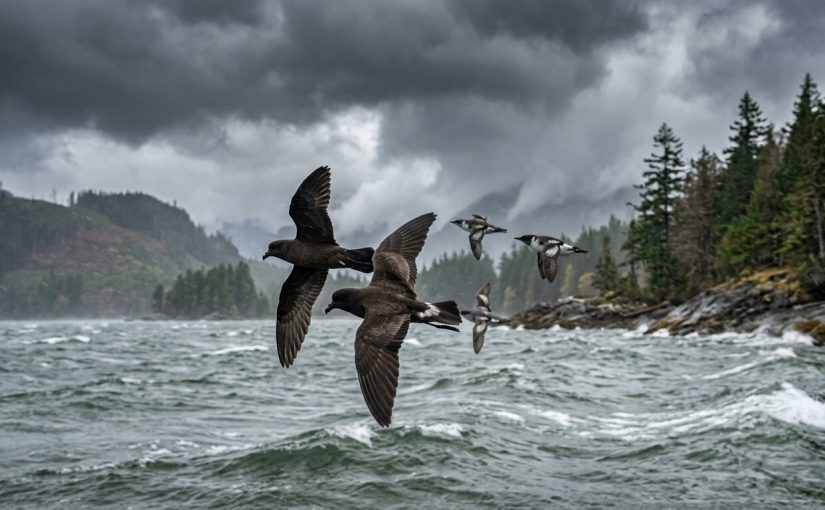
Weather events such as storms, cold fronts, or droughts influence bird movement and can bring unexpected species inland. For example, a storm-driven seabird might wash ashore or be seen far from its usual range. Habitat changes, including urban expansion or forest fires, also shift bird distributions. Keeping an eye on regional weather forecasts and habitat reports can help predict when rarities might appear.

Common Mistakes to Avoid When Reporting Rare Sightings

Mistake Consequence How to Avoid
Relying solely on memory Misidentification Always photograph or record the bird.
Delayed reporting Loss of data quality Submit observations as soon as possible.
Overlooking habitat context Misinterpretation Document surroundings to support identification.
Ignoring multiple sources Inaccurate reports Cross-verify with local experts or online databases.

Unique Rarities in 2026 That Birders Are Chasing

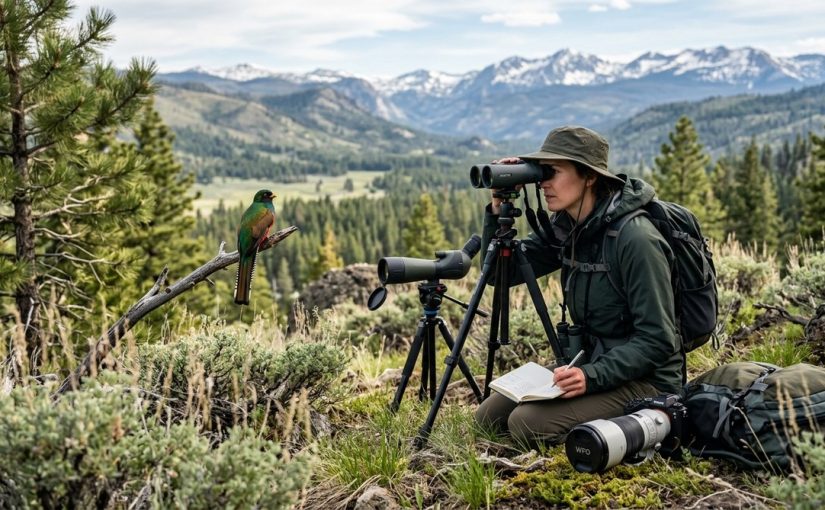
Several species have been repeatedly reported this year, including the Brown Booby along Southern California coast, the Black Scoter in unexpected inland lakes, and rare warblers during migration peaks. Vagrant species like the Elegant Trogon and the Painted Redstart have also made appearances far outside their typical ranges. These sightings often come after specific weather patterns or migration shifts, making them prime opportunities for birders to add a rare species to their list.

Final Thoughts for Birders in 2026

Keeping track of rare bird sightings across Western North America can turn an ordinary birding day into an unforgettable experience. By understanding the regional patterns, using reliable resources, and documenting sightings meticulously, you can contribute meaningfully to the birding community. Remember, each sighting adds to our collective knowledge and appreciation of these incredible creatures. Stay curious, be patient, and enjoy every moment out in the field. Happy birding in 2026!

Celebrating the Year of Rarities

As the year continues, new rare sightings are likely to emerge. Whether you’re chasing vagrants along the coast or spotting winter visitors inland, your observations help paint a fuller picture of Western North America’s avian landscape. Embrace the surprises that 2026 offers and keep sharing your discoveries with fellow enthusiasts. The thrill of discovering a rare bird remains one of the most rewarding aspects of birding.

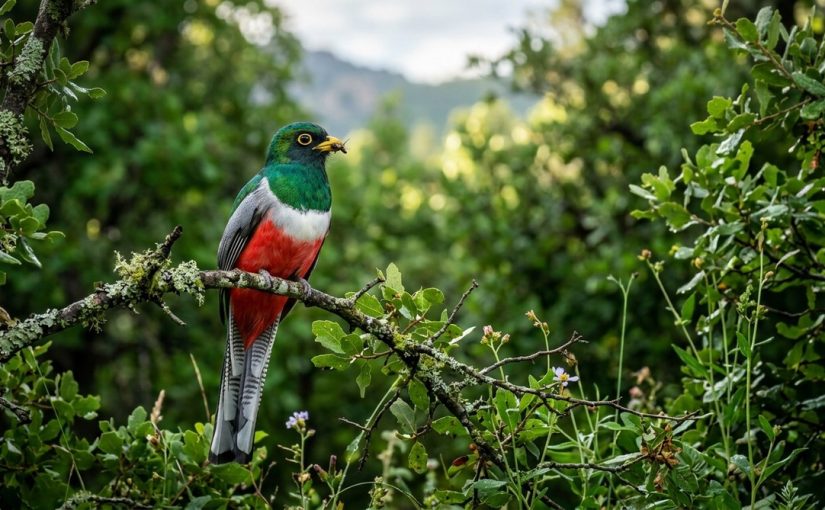
Unveiling the Latest Rare Bird Sightings in Western North America for 2026

Western North America continues to surprise bird enthusiasts with an array of rare sightings in 2026. From coastal cliffs to mountain forests, recent reports highlight some of the most exciting and unexpected avian visitors of the year. Whether you are a seasoned ornithologist or a passionate birdwatcher, staying informed about these sightings can turn a regular birding outing into a memorable adventure. The thrill of spotting a bird that rarely ventures into these regions keeps the community energized and eager for more discoveries.

Key Takeaway

2026 has been an exceptional year for rare bird sightings in Western North America. Birders are witnessing unexpected species, learning new identification techniques, and sharing sightings through dedicated platforms. Staying alert, understanding the region’s migration patterns, and knowing how to document your discoveries can lead to exciting finds and contribute to conservation efforts. Prepare to enhance your birding skills and join the vibrant community tracking these avian rarities.

Recent Highlights of 2026 Rare Bird Sightings

The year 2026 has already delivered a variety of rare bird encounters across Western North America. Sightings range from vagrant shorebirds to elusive forest species, each adding a new chapter to the region’s ornithological records. Some of these sightings have caused excitement among local birding groups, while others have gone viral on social media platforms like Instagram and Twitter.

One standout sighting was the appearance of the Inca Dove in Oregon, a species rarely seen so far inland. Likewise, the Western Cattle-Egret has been reported multiple times in California, indicating a possible shift in wintering behaviors. Birders have also reported a variety of vagrant warblers in late fall, including the Hooded Warbler and the Northern Parula, both typically associated with eastern forests.

How To Keep Up With 2026 Rarities

Staying ahead of the latest sightings requires a combination of reliable resources and proactive birding strategies. Here are ways to stay informed:

  1. Subscribe to regional bird alerts through apps and websites, like the eBird rare bird alerts. These platforms provide real-time updates from birders across Western North America.
  2. Join local birding groups on social media, especially Facebook and Instagram, where community members frequently post recent sightings with photos.
  3. Attend birding festivals or field trips organized during migration seasons, when rare species are more likely to appear.
  4. Use bird identification guides tailored to Western North America to help distinguish rarities from common species.

Practical Steps for Reporting Your Sightings

Contributing to the collective knowledge is vital in documenting rare birds. The process is straightforward:

  1. Photograph the bird clearly, capturing multiple angles if possible.
  2. Record detailed observations including location, date, time, habitat, and behavior.
  3. Use dedicated portals like eBird or local birding networks to upload your findings.
  4. Write a concise report highlighting key features and any distinguishing marks.
  5. Share your sightings with local bird clubs or online forums to aid others in locating the species.

Tips for Accurate Documentation

  • Keep your binoculars clean and well-maintained.
  • Use a field guide to verify features before reporting.
  • Record the bird’s vocalizations if possible, as calls can be crucial in identification.
  • Take multiple photos, including the bird’s habitat and any distinctive markings.

“Accurate documentation not only helps others find rare birds but also contributes to understanding shifts in migration and habitat use,” says ornithologist Dr. Emily Carter.

Techniques for Identifying Rare Birds

Identifying rare birds, especially in a region as dynamic as Western North America, requires sharp observation skills. Here’s a quick overview of effective techniques and common pitfalls.

Technique Mistake to Avoid
Comparing field marks Confusing similar species due to poor lighting or distance
Listening to calls Misidentifying birds based solely on song without visual confirmation
Habitat assessment Assuming a species based on habitat alone, which can be misleading
Using binoculars or scopes Over-relying on equipment without verifying features

Key Identification Tips

  • Pay attention to size and shape differences.
  • Note the coloration patterns, especially on wings and tail.
  • Observe flight style and behavior.
  • Cross-reference with recent sightings reports for regional patterns.

When and Where To Look for Rarities

Timing and location are crucial. Migration seasons in spring and fall are prime times for spotting vagrant species. Coastal areas, mountain passes, and wetlands serve as hotspots for rare sightings.

Some recommended areas include:

  • The Salton Sea in California
  • The Columbia River Gorge in Oregon
  • Northern California’s Klamath Basin
  • Mountain forests in the Cascades and Sierra Nevada

Monitoring these regions during migration peaks increases the chances of encountering a rare bird. Additionally, reviewing recent sighting reports can guide your targeted searches.

How To Improve Your Birding Skills for Rarity Hunting

Enhancing your skills boosts confidence when identifying and reporting rare species. Consider:

  • Participating in bird identification workshops.
  • Practicing with regional field guides.
  • Using audio recording devices to capture bird calls.
  • Keeping a bird journal to track sightings and learn from mistakes.

These methods help develop a keen eye and ear, critical for recognizing uncommon species.

The Role of Community and Conservation in Rarity Sightings

Sharing sightings fosters a collaborative environment. Birding communities often organize coordinated searches for rarities, increasing the likelihood of sightings and data collection.

Understanding the importance of these efforts highlights how citizen science contributes to conservation. Documenting rare sightings can lead to habitat protection initiatives and support for regional bird populations.

Final Thoughts for Bird Rarities in 2026

Keeping track of rare bird sightings in Western North America offers a rewarding challenge. By staying informed, recording sightings meticulously, and engaging with local birding groups, you can contribute meaningfully to ornithological knowledge. Remember, every sighting counts, and your observations can help shape conservation strategies.

Birding is a journey filled with surprises. With patience, attention to detail, and community support, 2026 may be your most exciting year yet for discovering and documenting the region’s avian treasures. Keep your binoculars ready and your enthusiasm high—those rare birds are waiting to be found.

Discovering Western North America’s Most Sought-After Rare Birds in 2026

Birdwatching in Western North America in 2026 offers an exciting chance to spot some of the continent’s rarest avian treasures. As shifting migration patterns, climate changes, and habitat variations continue to influence bird populations, the year promises unique opportunities for enthusiasts and ornithologists alike. Whether you’re chasing the elusive Black Swift or the striking Pink-footed Shearwater, knowing where and how to look can transform your birding experiences. This guide highlights the most sought-after rare birds in Western North America for 2026 and provides practical tips to help you identify and report these remarkable species.

Key Takeaway

2026’s Western North American birding scene is brimming with rare sightings. Knowing where to look, how to identify these species, and reporting your finds can make your birding adventure truly rewarding.

The Top Rare Birds That Are Turning Heads in 2026

Western North America’s landscape is vast and diverse, supporting a wide variety of bird species. In 2026, several rare birds have become the focus of avid birders and researchers. These species are often seen during migration seasons or in specific habitats that attract vagrants and rarities. Here are some of the top species that birdwatchers are eager to find this year:

  • Black Swift (Cypseloides niger)
  • Pink-footed Shearwater (Ardenna creatopus)
  • Cassia Crossbill (Loxia sinesciuris)
  • McKay’s Bunting (Plectrophenax hyperboreus)
  • Yellow-billed Cuckoo (Coccyzus americanus)
  • Gray-cheeked Thrush (Catharus minimus)
  • Red-throated Pipit (Anthus cervinus)
  • Sinaloa Wren (Thryophilus sinaloa)
  • Ash-throated Flycatcher (Myiarchus cinerascens)

These species are often seen in specific regions and habitats across the West, such as coastal cliffs, mountain ranges, and riparian zones. Understanding their behaviors and migration patterns can greatly improve your chances of a successful sighting.

How To Spot Western North America’s Rare Birds in 2026

Finding these rare birds requires a combination of good preparation, knowledge, and patience. Here are practical steps to enhance your chances:

  1. Research current sightings: Regularly check rare bird alerts and local birding groups for recent reports.
  2. Identify key habitats: Know where each species is likely to be found. Coastal areas are prime for Pink-footed Shearwaters, while mountain regions attract Cassia Crossbills.
  3. Use suitable gear: Carry quality binoculars, a field guide tailored to Western species, and a camera with a telephoto lens. For more on essential gear, see chasing rarities.
  4. Observe migration windows: Many species are most visible during spring and fall migration. Plan your trips accordingly.
  5. Record and report sightings: Document your observations with photos and detailed notes. Report your findings via birding networks or apps. For detailed instructions, review how to document and report your rare bird sightings like a pro.

“Patience and preparation are key. Rare birds are often fleeting, but with diligent observation and the right knowledge, you can turn a fleeting glimpse into a memorable sighting.” — Ornithological expert Dr. Emily Harper

Techniques and Common Mistakes in Identifying Rare Birds

Accurate identification is crucial, especially with species that look similar or have subtle differences. Here’s a comparison table to help distinguish key features:

Technique Mistakes to Avoid
Observe plumage details Confusing juvenile and adult plumage
Note vocalizations Relying solely on sighting without sound recognition
Check habitat preferences Overlooking habitat clues that support identification
Use binoculars properly Failing to get a clear, steady view
Record photos Rushing and missing critical details

Tips for Accurate Identification

  • Compare field marks carefully.
  • Listen for unique calls or songs.
  • Cross-reference sightings with recent reports.
  • Join local birding groups for shared expertise and confirmation.

Practical Processes for Confirming a Rare Bird Sighting

  1. Verify your observation: Ensure your identification is accurate with multiple references.
  2. Photograph the bird: Capture clear images from different angles.
  3. Note the location and date: Precise records aid in tracking migration and distribution.
  4. Share with local experts: Use platforms like eBird or local bird clubs for confirmation.
  5. Report promptly: Submit your sighting to reputable databases to contribute to ongoing research.

Resources and Tools That Support Your Birding in 2026

  • Birding apps: Apps like Merlin Bird ID and eBird help with quick identification and reporting.
  • Field guides: Updated regional guides provide detailed descriptions.
  • Research summaries: Stay current with ornithological research summaries that highlight new sightings or species.
  • Local birding organizations: Connect with groups that host field trips and rarity alerts.

Keep the Spirit Alive With Rarity Hunting

Western North America’s diverse habitats and shifting migration routes make 2026 an exciting year for birders chasing rarities. Remember, patience and careful observation are your best allies. Keep a keen eye on the sky and stay connected with fellow birdwatchers for the latest updates. Every sighting contributes to our understanding of bird migration and conservation efforts.

A Final Note on Birding Rarities in 2026

Birdwatching in the West continues to surprise and inspire. With the right preparation and a bit of luck, you might be the one to spot a rare bird that turns out to be a highlight of your birding journey. Always respect local regulations and habitats, and share your findings responsibly. Keep your binoculars handy, your notes detailed, and your enthusiasm high. The avian world is full of surprises waiting to be discovered.

Tracking Western North America’s Most Recent Rare Bird Sightings in 2026

Birdwatching in Western North America continues to thrill enthusiasts in 2026 with an exciting array of rare bird sightings. From the rugged coastlines of California to the high deserts of Nevada and the lush forests of Oregon and Washington, 2026 has already delivered some astonishing avian surprises. Whether you are a seasoned birder or a casual nature lover, keeping track of these sightings offers a chance to witness some of the rarest species in the region. This guide will walk you through recent sightings, how to find and report these birds, and tips to enhance your birding adventures this year.

Key Takeaway

2026 has brought an impressive variety of rare bird sightings across Western North America. Staying informed and ready to report your observations can help contribute to ongoing research and conservation efforts. By understanding regional patterns and using effective techniques, birders can enjoy a more rewarding experience while aiding scientific knowledge.

Recent and Noteworthy Western North America Bird Sightings in 2026

The year 2026 has been remarkable for birdwatchers tracking unusual and rare species. Sightings of the snowy owl in California, the elusive painted bunting in Nevada, and the rare yellow grosbeak in Oregon have captivated the birding community. These sightings not only excite enthusiasts but also highlight shifts in migration patterns and habitat use that could be linked to climate change or habitat alterations.

Highlights of the Year So Far

  • The white-throated sparrow was seen at a backyard feeder in Seattle, a species rarely recorded outside its usual eastern range.
  • A red-throated loon was spotted on a remote lake in Northern California, marking one of the earliest winter records in the region.
  • An Audubon’s oriole was documented in a southwestern Arizona riparian area, an unexpected sighting for this desert-adapted species.
  • The blue grosbeak made an appearance in southern Nevada, a bird typically found in the southeastern United States.

How to Stay Updated on Recent Sightings

Birding networks like eBird and regional bird alerts are invaluable for tracking these surprises. The Western North America rare bird sightings 2026 page compiles verified observations from around the region, providing a current snapshot of what is being seen and where.

How To Find and Confirm Rare Birds in 2026

Finding rare birds requires a combination of patience, knowledge, and the right approach. Here are practical steps to improve your chances:

  1. Research recent reports: Before heading out, review recent sightings on bird alert platforms.
  2. Select strategic locations: Focus on hotspots known for rare species, such as coastal wetlands, mountain passes, or isolated woodland areas.
  3. Use quality gear: A good pair of binoculars and a camera with a telephoto lens are essential for identification and documentation.
  4. Join local birding groups: Regional bird clubs often organize trips to known hotspots for rarities.
  5. Stay observant and patient: Rarities can appear suddenly and may not stay long. Keep a keen eye on your surroundings.

Practical Process for Reporting Sightings

Accurate documentation improves the value of your sighting. Follow these steps:

  1. Take clear photos or videos if possible.
  2. Record detailed notes about location, date, time, and behaviors.
  3. Use official platforms like eBird or regional bird alert websites to submit your record.
  4. Respect the bird and habitat by keeping a safe distance and minimizing disturbance.

Common Techniques and Mistakes in Rarity Detection

Technique Mistake to Avoid
Using high-quality optics Relying solely on phone cameras without zoom capabilities
Cross-referencing field guides Misidentifying common lookalikes as rarities
Listening for unique calls Ignoring call differences that can confirm ID
Visiting known hotspots during peak migration Overlooking unusual sightings outside typical seasons

“Patience and careful observation are key. Rarity detection is often about noticing what doesn’t belong and verifying with multiple sources.” — Dr. Lisa Hernandez, avian researcher

Resources and Tools to Aid Your Birding Journey

  • Rare bird alert apps provide instant notifications on sightings in your area.
  • Field guides and apps tailored to Western species help with quick ID.
  • Community forums connect you with experts willing to share insights or verify unusual sightings.
  • Research publications offer background on species behavior and migration trends, aiding in accurate identification.

Practical Tips for Reporting Rarities

  • Always provide detailed location data, ideally with GPS coordinates.
  • Include multiple photos showing different angles and behaviors.
  • Describe the bird’s size, shape, plumage, voice, and habitat.
  • Be respectful to landowners and other birders when asking for access or sharing sightings.

How Climate and Habitat Changes Influence Rarity Patterns in 2026

Shifts in bird distributions are evident this year. For example, some species historically restricted to the south are now appearing in northern states. This trend suggests changing climate conditions are affecting migration timings and habitat availability. Birders can contribute valuable data by noting unusual occurrences and sharing them on official platforms.

Making the Most of Your Birding Experience

Whether you are chasing a rare bird or simply enjoying your local patch, stay curious and prepared. Keep your gear ready, review recent sightings regularly, and connect with fellow birders. Document every sighting carefully and report it to help build a comprehensive picture of bird populations in 2026.

Rarity in Action: A Final Word for Bird Enthusiasts

Tracking rare bird sightings in Western North America this year offers a unique window into the region’s dynamic avian life. Each sighting contributes to a broader understanding of how these species are shifting and adapting. Your observations can support conservation efforts and deepen your connection to the natural world. With patience, attention to detail, and community engagement, you can become a vital part of this ongoing story. Keep your binoculars handy and your ears tuned. The next rare bird might be just around the corner.

Uncovering Hidden Rarities: Secrets to Finding Western North America’s Most Elusive Birds

Birding in Western North America offers a thrill like no other. The continent’s diverse habitats host some of the most elusive and rare bird species. Spotting these rarities requires more than just luck. It demands knowledge, patience, and the right techniques. Whether you’re a seasoned birder or a curious newcomer, understanding where and how to find rare birds can turn an ordinary outing into a memorable adventure.

Key Takeaway

Finding rare birds in Western North America combines understanding their habitats, using targeted resources, and practicing meticulous field techniques. With patience and the right tools, bird enthusiasts can uncover some of the continent’s most elusive avian gems.

Understanding what makes a bird rare in Western North America

Before diving into how to find these birds, it’s helpful to clarify what qualifies a bird as rare. In Western North America, rarity can stem from several factors. Some species are naturally scarce due to limited ranges or specialized habitats. Others are vagrants, straying far from their usual territories. Changes in climate or habitat loss can also make certain species more difficult to find.

Knowing what makes a bird rare helps in setting realistic expectations and guiding your search. Resources like detailed field guides and bird alert apps are invaluable for staying updated on recent sightings and current rarities in specific regions.

Key regions and habitats for rare birds in Western North America

Certain locations stand out as hotspots for spotting rare birds. The Pacific Northwest’s mountains and forests, California’s coast and wetlands, and the Great Basin’s high deserts all host unique avian communities.

Mountain and forest habitats

High elevations and dense forests are prime spots for species like the Black Swift or the Northern Goshawk. These birds often stay hidden, making knowledge of their preferred environments critical.

Coastal and wetland areas

Salt marshes, estuaries, and lagoons attract rarities such as the Elegant Tern or the Surfbird. Tidal zones are especially good for observing shorebirds that are not commonly seen inland.

Desert and grassland regions

Vagrant species like the Bendire’s Thrasher or the Thicket Tinamou sometimes appear in these arid zones. Spotting them can involve following recent reports and understanding their preferred microhabitats.

Practical steps to find rare birds in Western North America

  1. Follow recent sightings and alerts
  2. Study habitat preferences and migration patterns
  3. Practice patient and discreet observation

1. Follow recent sightings and alerts

Keeping tabs on bird alert networks and apps is vital. Resources like eBird or the American Birding Association’s Rare Bird Alert provide real-time updates on rare bird sightings. These platforms often include location details, photos, and descriptions from observers.

2. Study habitat preferences and migration patterns

Understanding where and when rare birds are likely to appear increases your chances. For example, vagrant warblers often show up during fall migration along specific routes. Using books and online summaries helps identify these patterns.

3. Practice patient and discreet observation

Rare birds tend to be skittish. Approaching with patience and quietness minimizes disturbance and improves your chances of a close look. Using binoculars and a spotting scope can make a big difference in identification.

Techniques for finding and identifying elusive species

Technique Common Mistakes Tips
Listening for calls and songs Ignoring background noise Use a good quality recorder to capture and analyze calls later
Using playback cautiously Overusing playback and disturbing birds Play calls sparingly and ethically, respecting the bird’s well-being
Covering a variety of habitats Focusing too narrowly Check multiple habitats during a trip for a broader chance
Tracking recent reports Relying solely on old sightings Always verify the latest updates and recent sightings

Expert advice: “Patience is your best friend. Rare birds often appear in the early morning or late afternoon. Spend time quietly observing and listening in known hotspots.”

Essential gear and resources for rare bird hunting

  • Field guide tailored to Western North America species
  • Bird call recordings and apps
  • High-quality binoculars and spotting scopes
  • Notepad or digital device for recording sightings
  • Current rare bird alerts via apps or websites

Recommended resources

  • The Cornell Lab’s All About Birds website offers comprehensive info on bird habits and recent sightings
  • https://wfopublications.org/rare-bird-alerts-which-apps-and-resources-actually-work-best/ provides insights into the best alert systems
  • Local bird clubs and nature centers often host guided trips and can provide valuable local knowledge

Documenting and reporting your sightings

When you encounter a rare bird, accurate documentation helps validate the sighting and contributes to conservation efforts. Take clear photos, record detailed descriptions, and note the location and habitat. Sharing your find on platforms like eBird helps other birders stay informed and supports research.

For a comprehensive guide on this process, https://wfopublications.org/how-to-document-and-report-your-rare-bird-sighting-like-a-pro/ offers practical tips for enthusiasts.

Common pitfalls and how to avoid them

Mistake How to prevent it Explanation
Misidentifying species Double-check features and calls Many rare birds resemble common species; verify with field guides
Relying on outdated reports Always check recent sightings Bird movements change quickly; recent info is critical
Disturbing the bird Approach quietly and ethically Respect wildlife to keep future sightings possible

Getting closer to the rarities

Persistence and knowledge open doors to discovering Western North America’s elusive birds. Keep chasing recent reports, learn their habitats, and practice stealthy observation. Every sighting might be a once-in-a-lifetime moment.

Rarities in Western North America worth the effort

Some species are so rare that they draw birders from across the globe. The Ivory-billed Woodpecker, which may still be extant in remote forests, remains legendary. Others, like the Pink-footed Shearwater, appear sporadically along the coast. Staying informed and prepared increases your chances of encountering these extraordinary birds.

Final encouragement for birders chasing rarities

Patience, curiosity, and respect for nature serve as your best tools. By honing your skills, utilizing available resources, and maintaining a keen eye, you can uncover some of Western North America’s most elusive and spectacular birds. Keep your binoculars ready and your spirit eager for discovery. The next rare sighting could be just around the corner.

Top 7 Western Bird Species That Are Increasingly Rare and How to Spot Them

Birdwatching in the Western United States offers a thrilling challenge—spotting rare species that are becoming increasingly scarce. Many birders find joy in uncovering these elusive birds, but proper identification requires knowledge, patience, and keen observation. As certain Western species face threats from habitat loss, climate change, and other pressures, understanding how to recognize and document these rarities becomes more important than ever. This guide walks you through effective methods for identifying rare Western bird species and understanding their shifting populations.


Key Takeaway

Accurate identification of rare Western bird species involves understanding their unique markings, behaviors, and habitats. Tracking their increasing rarity helps conservation efforts and enriches your birding experience. Use field guides, stay updated with alerts, and document sightings carefully to contribute meaningfully to bird conservation.

Recognizing the Unique Traits of Western Rarities

The Western United States is home to a diverse array of bird species. Some are common, but others are increasingly rare due to habitat changes and migration shifts. Identifying these rarities requires familiarity with their visual cues, sounds, and preferred environments.

Many rarities are distinguishable by subtle features. For example, the Black-backed Oriole has a striking black head contrasted with bright yellow body, but spotting it demands attention to detail. Others, like the Red-naped Sapsucker, have distinctive markings on their head and throat that set them apart from more common woodpeckers.

Understanding where these birds are likely to appear is equally important. For instance, the California Condor is primarily found in certain remote canyons, making location awareness critical.

Practical Steps to Spot and Identify Rare Western Birds

  1. Familiarize Yourself with Field Guides and Resources
    Start with comprehensive field guides that include rare Western species. Modern apps and online resources provide up-to-date alerts on sightings and migration patterns. The Rare Bird Alerts are invaluable for tracking recent sightings.

  2. Learn Their Habitats and Seasonal Movements
    Many rare species are only visible during specific times of the year or in particular habitats. For example, the Yellow-billed Magpie is often seen along the Central Valley in winter, whereas the Spotted Owl prefers old-growth forests. Knowing these patterns narrows down your search areas.

  3. Observe and Record Key Identification Features
    Pay close attention to size, plumage, song, and behavior. Use binoculars and a camera to document your sightings. When in doubt, compare your observations with trusted field guides or consult online communities.

  4. Stay Patient and Persistent
    Rarity often means fleeting appearances. Returning to promising sites and keeping a detailed sighting log increases your chances over time. Sharing your observations with local birding groups supports conservation and research efforts.

Techniques and Common Mistakes in Bird Identification

Technique What to Do Common Mistake
Field markings Focus on distinctive plumage and size Confusing similar species, like warblers with similar markings
Song and calls Use recordings and learn regional calls Misidentifying calls of common species as rare ones
Habitat awareness Know preferred environments of target species Overlooking habitat clues that point to rarity
Time of day and season Bird activity peaks during specific times and seasons Missing sightings due to inappropriate timing or location
Documentation Take photos and detailed notes Relying solely on memory, risking misidentification

Expert tip: “Always cross-reference your sightings with multiple sources. Sometimes, what appears to be a rare bird might be a common species with unusual plumage or an immature bird,” advises ornithologist Dr. Lisa Grant.

Understanding Why Rarity Changes Over Time

Bird populations fluctuate due to several factors. Habitat destruction, invasive species, and climate change can cause certain Western species to decline. Conversely, some species may become more frequent in certain areas due to changing migration routes or environmental conditions.

Tracking these shifts helps birders recognize patterns and anticipate where rarities might show up. For example, a sudden appearance of a Vagrant Western Tanager outside its usual range could indicate broader ecological changes.

Monitoring efforts like participating in local bird surveys or contributing to citizen science projects enhance our understanding of these trends. The Chasing Rarities guide can help you acquire the necessary gear to record and report your findings accurately.

How to Document and Report Your Rare Bird Sighting Like a Pro

Accurate documentation supports research and conservation. Capture clear photographs from multiple angles, record the date, time, location, and environmental conditions. Use apps designed for bird reporting or submit your findings to platforms like eBird.

If you encounter a rare Western species, consider submitting a detailed report. This data can alert others and contribute to understanding population dynamics. For more guidance, visit our article on

Common Challenges in Identifying Western Rarities

Misidentification is the most common obstacle. Many species look similar, especially in juvenile or female plumages. For example, the Western Tanager and Summer Tanager can be confused without careful observation.

Environmental factors also complicate sightings. Overcast weather or poor lighting can obscure key features. Wind and dense foliage may hinder a clear view.

Understanding these common pitfalls helps you avoid errors and improves your accuracy.

Why Tracking Rarity Matters for Bird Conservation

Documenting the increasing rarity of Western birds serves a larger purpose. It informs conservation priorities and helps identify declining populations early. Birders can become active participants in conservation by reporting sightings, supporting habitat preservation, and advocating for policies that protect these species.

By staying informed and involved, your efforts contribute to the survival of these remarkable birds.

Final Tips for Successful Rarity Spotting

  • Always carry a quality pair of binoculars and a field guide or app.
  • Visit known hotspots during peak activity times.
  • Be respectful of habitats and minimize disturbance.
  • Join local birding groups for shared knowledge and support.
  • Keep a detailed sighting journal and review it regularly.

Remember, patience and persistence are key. Each sighting adds to the bigger picture of Western bird populations and their health.


Identifying rare Western bird species is more than just a hobby. It’s a way to connect with nature and support efforts to protect these vulnerable species. Your observations help scientists understand population changes and habitat needs. By sharing your sightings, you become part of a larger community committed to conservation.

Keep your eyes open for these elusive birds. Use the techniques and resources outlined here. And most importantly, enjoy every moment in the field. Your dedication makes a difference in preserving the rich avian diversity of the West.

Happy birding!

Identifying and Reporting the Most Stunning Rare Birds in Western North America

Birdwatching in Western North America offers countless surprises, especially when it comes to spotting rare birds. These elusive species can appear unexpectedly, often in surprising locations, thrilling even seasoned birders. Whether you’re a dedicated enthusiast or a casual observer, understanding how to identify and report these bird sightings enhances your experience and contributes to conservation efforts. This guide introduces you to some of the most stunning rare birds in the region and shares practical advice on finding and documenting them.

Key Takeaway

Learning to identify rare birds in Western North America requires patience, observation skills, and knowledge of their habitats. Reporting sightings helps track these species’ movements and supports conservation efforts. With the right gear and techniques, birders can enjoy the thrill of discovering these extraordinary creatures and contribute valuable data to the birding community.

Recognizing Truly Rare Birds in the Western United States

Western North America is a hotspot for bird diversity, with many species that are common and others that are rare or accidental visitors. Some birds are regular migrants or residents, but others show up only sporadically, often driven by weather, food availability, or seasonal changes. Recognizing these rare birds involves understanding their unique features, behaviors, and habitats.

Commonly, rare species are vagrants—birds that appear outside their normal range. These sightings are exciting but require careful verification. Learning about the key characteristics of these birds, along with their preferred environments, helps birders identify them accurately. For example, a vibrant, unexpected warbler in a Western forest might be a rare migrant from the east, or a colorful vagrant seabird found inland could be a pelagic species blown off course.

Top Rare Birds That Show Up in Western North America

Here are some of the most stunning rare birds that birdwatchers might encounter in the West. While some are seen annually, others are extraordinary and infrequent visitors.

  • Black Vulture: A rare but increasing sight in parts of California, these scavengers are easily mistaken for Turkey Vultures but have a different wing shape and darker color.
  • Elegant Tern: Usually found along the coast, this sleek seabird occasionally appears inland during migration.
  • Yellow-billed Magpie: Primarily a California endemic, rare sightings outside its typical range are exciting for birders.
  • Sooty Shearwater: During certain times of year, these pelagic birds are seen far inland, blown in by storms.
  • Cassin’s Auklet: A small seabird that sometimes ventures into coastal waters and occasionally lands near rocky cliffs.

Vagrant and Unusual Sightings

Vagrants often turn up in unexpected spots, especially after storms or during migration. For example, a rare gull species like the Sabine’s Gull might appear inland far from its usual habitat, or a rare warbler from the eastern forests could show up during fall migration.

Practical Steps to Find and Report Rare Birds

Spotting rare birds involves a combination of preparation, patience, and knowledge. Here are some steps to enhance your chances:

  1. Research Recent Sightings: Regularly check local bird alerts, online birding lists, and rare bird reports. Sites like the Western Bird Alert keep track of recent sightings and help you target likely locations.

  2. Learn Key Identification Features: Study field guides and photographs of rare species. Pay attention to plumage details, size, shape, and behavior. For example, distinguishing a rare vagrant from a common species often hinges on subtle markings or call differences.

  3. Visit Likely Habitats: Many rare birds favor specific environments like rocky coasts, inland lakes, or mountain valleys. Knowing where to look increases your chances. Coastal regions, especially during migration seasons, are good hotspots for seabird rarities.

  4. Use the Right Equipment: A good pair of binoculars, a camera with a telephoto lens, and a field notebook are essential. Recording vocalizations using a portable recorder can also help with later identification.

  5. Document Your Sighting: Take clear photos and note details such as location, time, weather conditions, and bird behavior. This information is vital when reporting the sighting.

How to Report a Rare Bird

Reporting sightings helps track bird movements and provides valuable data for research. To report a rare bird:

  • Use online platforms like eBird, which allow you to submit detailed observations and upload photos.
  • Contact local bird clubs or ornithological groups, such as the Waterman Bird Club, which coordinate reports and confirm rarities.
  • Be thorough and honest in your description. Include details about how you identified the bird and any supporting photographs or recordings.

“Accurate documentation and timely reporting are crucial. They not only help confirm rare sightings but also contribute to understanding migration patterns and population changes,” advises experienced birders.

Techniques for Accurate Identification and Common Mistakes

Identifying rare birds can be challenging. Here are some techniques and pitfalls to avoid:

Technique Mistake to Avoid
Use detailed photographs Relying solely on memory or poor-quality images
Listen for distinctive calls Confusing similar-sounding species
Compare plumage with field guides Overlooking subtle differences in markings or size
Observe behavior and habitat Ignoring the context in which the bird is found

Expert Advice on Confirming Rarities

“Always seek multiple lines of evidence before declaring a rare bird. Photos, recordings, and detailed notes make your identification more reliable. When in doubt, consult with local experts or regional birding groups,” recommends Dr. Jane Smith, a renowned ornithologist.

Common Techniques and Mistakes in Rare Bird Identification

Understanding the right methods can make all the difference. Here’s a quick comparison:

Technique Common Mistakes
Field identification Misidentifying due to poor lighting or distance
Vocalization analysis Confusing calls of similar species
Habitat assessment Overlooking the importance of location clues
Peer consultation Relying only on personal judgment

Mastering these techniques involves practice and patience. Always verify your findings through multiple sources, and do not hesitate to seek help from experienced birders.

Connecting with the Birding Community

Joining local bird clubs and online forums enriches your understanding of rare birds. They often share sighting reports, photos, and tips. Participating actively can also improve your identification skills and help you stay informed about upcoming rare bird occurrences in Western North America.

A Final Word on Appreciating Western North America’s Bird Rarities

Birding in Western North America offers a chance to witness some of the continent’s most stunning and elusive species. Recognizing and reporting rare birds not only boosts your skills but also contributes valuable data to conservation efforts. Remember to respect wildlife, follow ethical birding practices, and enjoy the thrill of discovering these extraordinary creatures. Keep your binoculars handy, your camera ready, and your curiosity alive. The next rare sighting could be just around the corner.

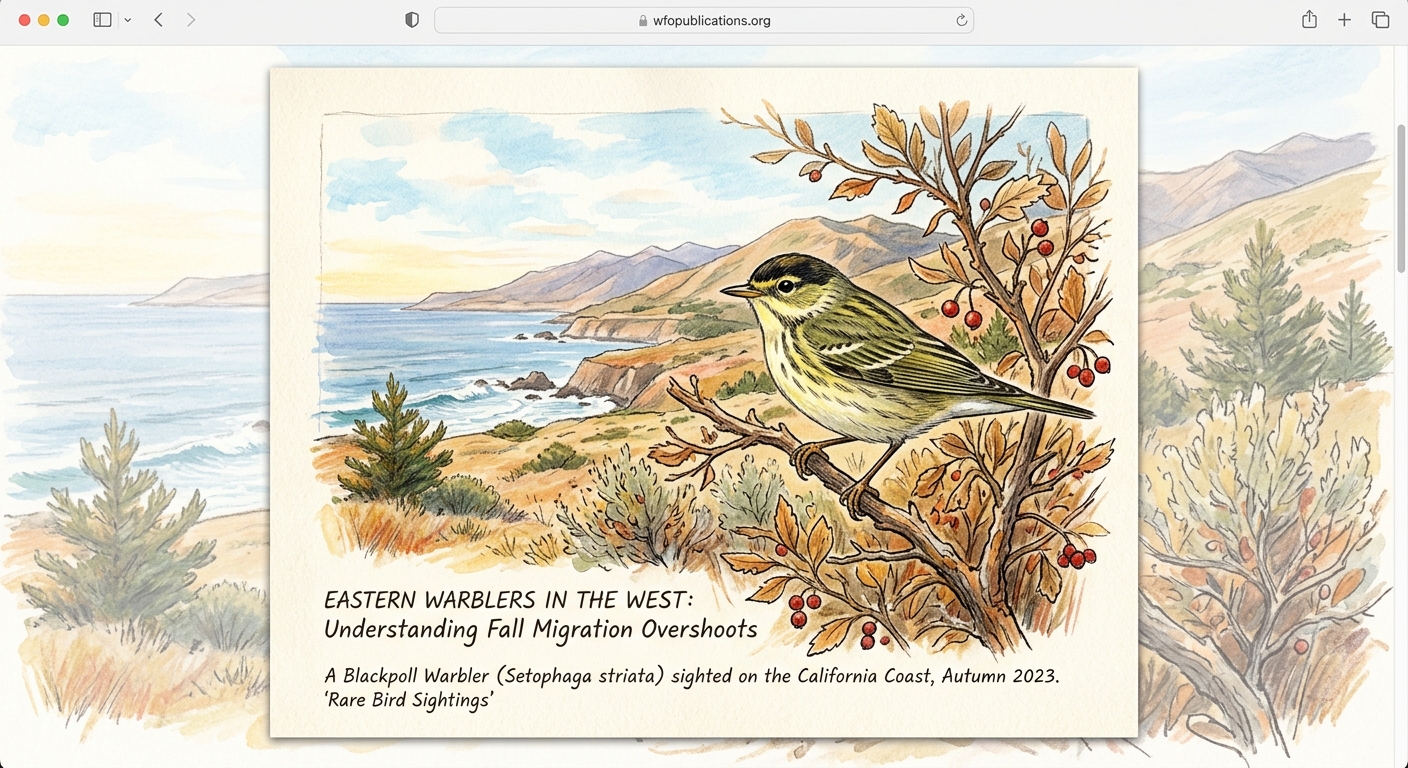
Eastern Warblers in the West: Understanding Fall Migration Overshoots

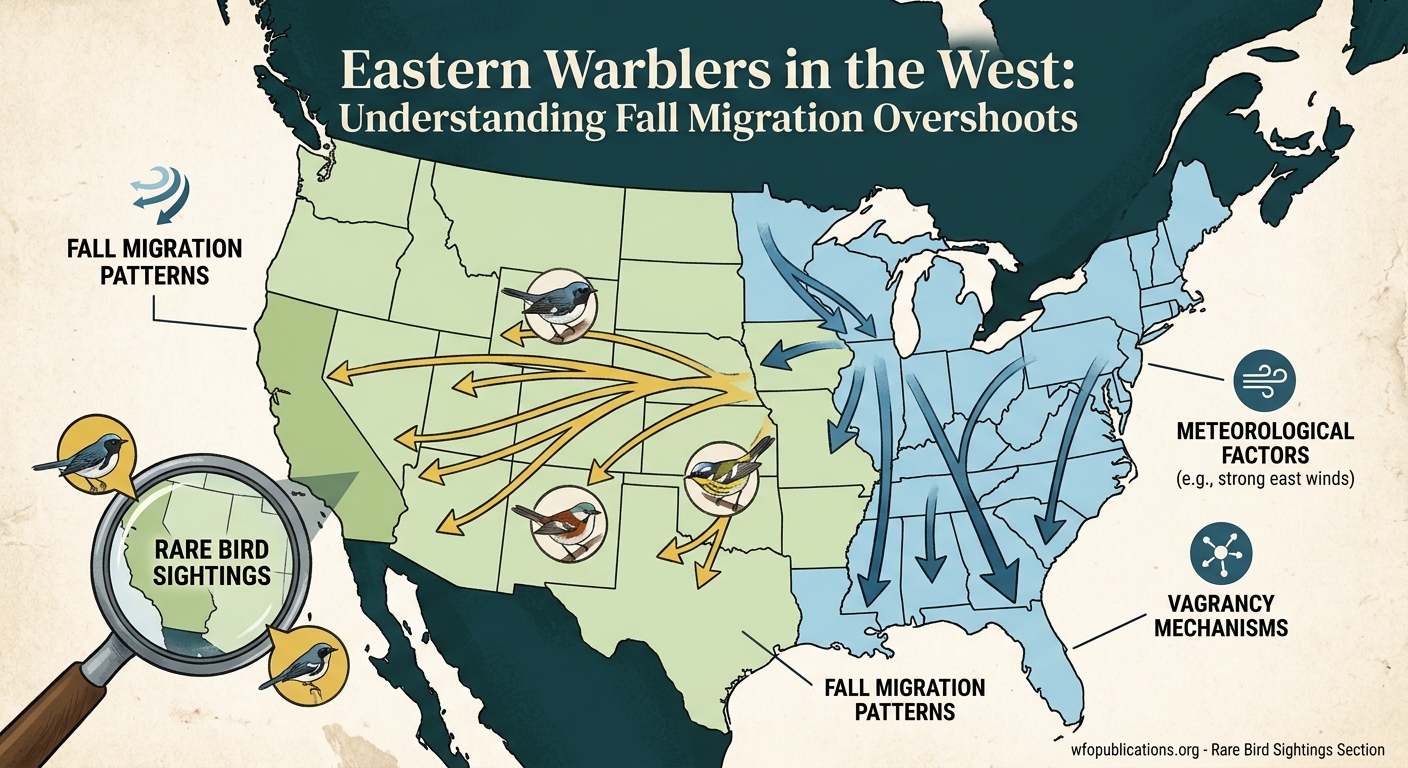
Every autumn, birdwatchers across California, Oregon, and Washington report something unexpected: a flash of yellow and black that doesn’t belong. Eastern warblers, those small songbirds that should be heading south through the Mississippi Flyway, suddenly appear thousands of miles off course in coastal scrub and urban parks. These aren’t lost birds. They’re overshoots, and understanding why they happen transforms a casual birding walk into a treasure hunt for some of North America’s most beautiful migrants.

Key Takeaway

Eastern warblers appear in western states during fall migration due to weather systems, juvenile navigation errors, and reverse migration patterns. Species like Blackpoll Warbler, Black-and-white Warbler, and Magnolia Warbler show up most frequently along the Pacific Coast from late August through October. Successful identification requires understanding field marks, habitat preferences, and timing patterns that differ from their eastern counterparts.

Why Eastern Warblers End Up Out West

Fall migration creates chaos in the warbler world. Young birds making their first journey south rely on genetic programming and celestial cues, but these systems aren’t perfect.

Strong weather fronts push birds westward. A low-pressure system moving across the Great Plains can deflect thousands of migrants toward the Rockies. Once over the mountains, exhausted birds drop into the first suitable habitat they find.

Reverse migration plays a bigger role than most birders realize. After cold fronts pass through the Midwest in September, birds sometimes orient themselves 180 degrees in the wrong direction. Instead of heading south, they fly north and west, ending up in places like Montana, Idaho, and British Columbia.

Coastal convergence zones concentrate these wayward travelers. The Pacific Coast acts like a funnel. Birds that drift west eventually hit the ocean and follow the coastline south, creating hotspots at places like Point Reyes, Morro Bay, and the Columbia River estuary.

Most Common Eastern Warblers Found in the West

Eastern Warblers in the West: Understanding Fall Migration Overshoots - Illustration 1

Not all eastern species show up with equal frequency. Some make the journey almost annually, while others remain genuine rarities.

Regular Annual Visitors:

  • Blackpoll Warbler (most frequent overshoots)
  • Black-and-white Warbler
  • Magnolia Warbler
  • American Redstart
  • Northern Parula
  • Cape May Warbler

Occasional Appearances:

  • Black-throated Blue Warbler
  • Black-throated Green Warbler
  • Bay-breasted Warbler
  • Chestnut-sided Warbler
  • Ovenbird
  • Northern Waterthrush

The Blackpoll Warbler deserves special attention. This species migrates farther than any other warbler, and its tendency to overshoot brings dozens to California each fall. Look for streaky gray birds with white wing bars and pale legs in coastal willows and ornamental trees.

Timing Your Search for Maximum Success

Knowing when to look matters as much as knowing where. Eastern warblers don’t arrive randomly. They follow predictable patterns tied to weather and season.

Peak season runs from late August through mid-October. The first week of September typically brings the highest diversity, with multiple species appearing simultaneously along the coast.

Weather watching improves your odds dramatically. Check for these conditions:

  1. Strong easterly winds in the preceding 48 hours
  2. Cold fronts passing through the Great Basin
  3. Fog or marine layer along the coast (grounds migrants)
  4. High-pressure systems over the Pacific Northwest

Morning hours between 7 AM and 11 AM produce the most sightings. Warblers actively forage after dawn, making them easier to spot and identify before they settle into dense cover for midday rest.

Late October stragglers represent a different phenomenon. These birds often show signs of stress, appearing thin and desperate for food. They concentrate around reliable water sources and insect-rich microclimates.

Where to Find Eastern Warblers in Western Habitats

Eastern Warblers in the West: Understanding Fall Migration Overshoots - Illustration 2

Eastern warblers don’t use western landscapes the way resident species do. They seek familiar structure and resources, even if the plant species differ completely.

Riparian corridors attract the highest numbers. Cottonwoods, willows, and alders along creeks provide the vertical structure and insect abundance these birds need. Check every patch of deciduous trees within 50 miles of the coast.

Urban parks outperform wild areas surprisingly often. Ornamental plantings create oases that concentrate migrants. Look for:

  • Flowering gardens with aphids and small caterpillars
  • Mature shade trees with peeling bark
  • Water features like fountains or ponds
  • Mixed plantings that include eastern species

Coastal scrub and chaparral seem wrong for woodland warblers, but desperate birds use whatever cover exists. I’ve found Magnolia Warblers in pure coyote brush and Black-throated Blues in manzanita.

Vagrant traps are specific locations that consistently produce rarities. These spots combine geography, habitat, and microclimate in ways that attract and hold lost migrants. Examples include sewage ponds, desert oases, and coastal promontories.

Identification Challenges and Solutions

Eastern warblers in fall plumage test even experienced birders. Breeding males with bold patterns transform into drab, confusing juveniles and females.

Species Key Field Mark Common Mistake Solution
Blackpoll Warbler Pale legs, streaky overall Confused with Pine Siskin Check for thin, pointed bill
Bay-breasted Warbler Buffy undertail coverts Confused with Blackpoll Look for clean flanks, dark legs
Black-throated Blue White pocket on wing Female overlooked entirely Study facial pattern, posture
Cape May Warbler Yellow neck spot Confused with Yellow-rumped Note fine streaking, thin bill

Behavior provides critical clues. Eastern warblers often forage differently than western species. Black-and-white Warblers creep along branches like nuthatches. American Redstarts fan their tails constantly. Ovenbirds walk on the ground with a distinctive bobbing gait.

Vocalizations help, but fall migrants rarely sing. Listen instead for chip notes. Each species has a distinctive call, though learning them requires practice and good recordings for comparison.

“The key to finding eastern warblers out west is checking every warbler you see, no matter how common it looks at first glance. That ‘Yellow-rumped’ might have the wrong face pattern. That ‘Orange-crowned’ might show wing bars. Assume nothing during fall migration.” — Field notes from coastal California surveys

Photography and Documentation Standards

Rare bird committees require solid documentation. Your phone photo might seem clear to you, but it needs to show diagnostic features that rule out similar species.

Capture these angles for any suspected eastern warbler:

  1. Side profile showing complete wing pattern
  2. Head-on view revealing facial markings
  3. Undertail coverts and leg color
  4. Overall body proportions and posture

Lighting matters more than camera quality. A well-lit phone photo beats a shadowy DSLR image. Position yourself so the sun illuminates the bird’s side, not its back.

Take notes immediately. Memory fades within hours. Record the date, exact location, habitat type, weather conditions, and behavior. Describe the bird in your own words before consulting field guides.

Submit reports to eBird with detailed comments. Include your photos and describe how you ruled out similar species. Regional reviewers appreciate thorough documentation and often provide helpful feedback.

Building Your Eastern Warbler Skills

Becoming proficient at finding and identifying these birds requires deliberate practice. Start with common species and work toward the rarities.

Study eastern warbler field marks during summer when resources are abundant. Use online photo databases to familiarize yourself with fall plumage variations. Pay special attention to first-year birds, which represent most western records.

Join local rare bird alert networks. Facebook groups, email lists, and apps like BirdLog provide real-time reports. Responding to alerts lets you study birds that others have already identified, accelerating your learning.

Practice with western warbler species first. If you can confidently separate Townsend’s from Hermit Warbler, you’ve developed the attention to detail needed for eastern vagrants.

Create a target list of most-wanted species. Research their peak timing, preferred habitats, and key field marks. Focused preparation beats random searching.

Citizen Science and Conservation Value

Every eastern warbler sighting in western states contributes to scientific understanding. These records help ornithologists track migration patterns, climate change impacts, and population trends.

Report all observations to eBird, even common species. Negative data matters. Knowing where and when birders looked but found nothing helps researchers understand true occurrence patterns.

Participate in migration counts and bird banding stations. Organizations along the Pacific Coast run monitoring programs that capture, band, and release migrants. Volunteer opportunities exist for all skill levels.

Support habitat conservation at known vagrant traps. These small patches of green space punch above their weight for migrant birds. Local land trusts and parks departments often welcome input from birders about management priorities.

Making the Most of Every Fall Season

Eastern warblers in western states represent one of birding’s great seasonal phenomena. Each autumn brings new possibilities and the chance to find something genuinely rare.

Success comes from preparation meeting opportunity. Know your local hotspots. Understand the weather patterns that bring migrants your way. Study field marks until you can identify warblers in poor light and awkward angles. Then get outside and look.

The Magnolia Warbler you find in a city park, the Blackpoll gleaning insects from coastal willows, the Black-and-white creeping up an oak trunk—these birds traveled thousands of miles off course. Finding them connects you to continental-scale natural processes and reminds you that nature still holds surprises, even in familiar places. Keep your binoculars ready and your field guide handy. The next warbler you see might be something special.

Rare Bird Alerts: Which Apps and Resources Actually Work Best

You’re standing in a parking lot at dawn, coffee in hand, wondering if that vagrant warbler reported yesterday is still around. You need accurate, timely information, not outdated sightings from three days ago. The right app can mean the difference between adding a life bird to your list and wasting an entire morning chasing ghosts.

Key Takeaway

The best rare bird alert apps combine real-time reporting, verified sightings, and active communities. eBird leads for comprehensive data and global coverage, while regional platforms like BirdGuides excel in specific areas. Success depends on choosing apps that match your birding style, notification preferences, and geographic focus. Most serious birders use two or three apps simultaneously to maximize rare bird opportunities.

Why Most Birders Use Multiple Alert Systems

No single app dominates every aspect of rare bird alerts. Some excel at verification speed. Others offer better filtering options. A few shine in specific regions but fall flat elsewhere.

Professional bird photographers often run three apps at once. They cross-reference alerts to confirm legitimacy before driving hours to a location. This multi-app strategy reduces false alarms and increases success rates.

The learning curve varies dramatically. Some platforms require weeks to understand their notification systems. Others work intuitively from day one.

Breaking Down the Top Platforms

Rare Bird Alerts: Which Apps and Resources Actually Work Best - Illustration 1

eBird Mobile and Alerts

eBird processes millions of observations annually. The platform’s strength lies in its massive user base and rigorous data validation.

Alerts arrive based on your customized filters. You can set geographic boundaries, target specific species, or receive notifications for any unusual sighting in your county. The system learns from your preferences over time.

Strengths:
– Global coverage with detailed location data
– Integration with Cornell Lab of Ornithology databases
– Historical sighting patterns help predict rare bird movements
– Free to use with no premium tiers

Limitations:
– Alerts can lag by 30 minutes to several hours
– Requires manual filter setup for optimal results
– Notification volume can overwhelm new users

The verification process means you’re less likely to chase misidentified birds. Reviewers flag questionable sightings before they trigger widespread alerts. This quality control saves time but introduces delay.

BirdGuides for European Birders

BirdGuides dominates the UK and European rare bird scene. The app’s strength comes from its dedicated network of contributors who report sightings within minutes.

Paid subscriptions unlock premium features like instant notifications and detailed site guides. The investment pays off for serious listers who need real-time information.

The community aspect sets BirdGuides apart. Users share photos, field notes, and access directions. You’ll find parking coordinates and optimal viewing times for most reported rarities.

Audubon Bird Guide

The Audubon app focuses on education alongside alerts. You get identification tools, range maps, and conservation status information in one package.

Alerts connect to eBird data but present information in a more accessible format. New birders appreciate the simplified interface. The trade-off is fewer customization options compared to eBird’s native app.

The built-in field guide helps confirm identifications when you arrive at a location. You can compare your observations against recorded calls and detailed photos.

Regional Platforms That Punch Above Their Weight

State and provincial birding associations often maintain their own alert systems. These regional networks frequently beat national platforms for speed and accuracy within their coverage areas.

Texas birders swear by TexBirds. California has its own robust listserv system. Ontario birders rely on the Ontario Field Ornithologists network. These platforms combine email alerts with social media groups for redundancy.

The downside is managing multiple accounts and notification streams. You’ll need discipline to avoid alert fatigue.

Setting Up Your Alert Strategy

Getting useful notifications without drowning in noise requires deliberate configuration. Here’s how experienced birders structure their systems:

  1. Start with one primary app and learn its features thoroughly before adding others.
  2. Define your geographic radius realistically based on how far you’re willing to travel.
  3. Create species-specific alerts for your most wanted birds rather than enabling all rare bird notifications.
  4. Test your settings for one week and adjust based on signal-to-noise ratio.
  5. Schedule notification quiet hours during work or sleep times to maintain sanity.

Most apps allow multiple alert profiles. Create one for weekend birding trips with a wider radius and another for weekday lunch breaks focused on nearby patches.

Comparing Features Side by Side

Rare Bird Alerts: Which Apps and Resources Actually Work Best - Illustration 2
Feature eBird BirdGuides Audubon Regional Networks
Alert Speed Moderate Fast Moderate Very Fast
Geographic Coverage Global Europe-focused North America Limited Area
Verification Process Rigorous Community-based Moderate Varies
Cost Free Freemium Free Usually Free
Customization Extensive Good Basic Varies
Photo Sharing Limited Excellent Good Platform-dependent

The table reveals why birders mix platforms. eBird provides the foundation. Regional networks add speed. BirdGuides fills gaps for international travel.

Understanding Alert Accuracy and Timing

Not all rare bird alerts lead to successful sightings. Several factors determine whether you’ll connect with a reported bird.

Species behavior matters. Shorebirds often stick around for days. Warblers might disappear in hours. Raptors can cover miles between morning and afternoon. Understanding these patterns helps you prioritize which alerts deserve immediate action.

Time stamps tell the story. An alert posted at 7 AM about a bird seen at 6 AM offers better odds than one posted at noon about a morning sighting. Some apps display both observation time and reporting time. This distinction is critical.

Location precision varies. Coordinates accurate to a specific tree beat vague descriptions of large parks. Apps that allow detailed location pins save hours of searching.

The best alert in the world is worthless if you can’t act on it within the bird’s typical stay duration. Know your target species’ behavior patterns and adjust your response time accordingly. A rare gull might linger for weeks, but a vagrant flycatcher could vanish by afternoon.

Notification Management for Sanity

Alert fatigue is real. Birders who enable every notification often burn out and disable alerts entirely, missing genuinely rare opportunities.

Priority tiers work better than all-or-nothing approaches. Set immediate notifications for your top 10 target species. Use daily digest emails for interesting but not critical sightings. Reserve push notifications for birds within 30 minutes of your location.

Seasonal adjustments prevent overload. Migration periods generate exponentially more alerts. Tighten your filters during spring and fall. Expand them during slower winter months when any unusual bird deserves attention.

Shared accounts create redundancy. Birding partners can split monitoring duties. One person tracks morning alerts while another checks afternoon updates. This partnership approach reduces individual stress while maintaining coverage.

Mobile Data and Battery Considerations

Running multiple birding apps simultaneously drains batteries and burns through data plans. Field-tested strategies help manage these practical constraints.

  • Download offline maps before leaving home to reduce data usage
  • Carry external battery packs rated for at least two full phone charges
  • Disable background refresh for non-essential apps while birding
  • Use airplane mode between alert checks to preserve battery life
  • Screenshot important alerts in case you lose signal at remote locations

Some birders carry a dedicated device just for birding apps. An older smartphone on WiFi-only mode can receive alerts at home, saving your primary phone’s battery for field use.

Community Dynamics and Reporting Etiquette

The quality of any alert system depends on its contributors. Understanding community norms helps you become a valuable member rather than a passive consumer.

Report your own sightings promptly. The system only works when birders share information. Even common species reports help establish baseline data that makes rare bird alerts more meaningful.

Include helpful details beyond species identification. Describe the bird’s location within a site, its behavior, and any field marks that aided identification. These details help others confirm the sighting.

Update alerts when birds disappear. A “bird not found” report saves others wasted trips. This negative information is nearly as valuable as the initial alert.

Respect private property and sensitive locations. Some rare birds appear on private land or in areas where crowds cause problems. Follow any access restrictions mentioned in alerts.

Advanced Filtering Techniques

Power users extract more value from alert systems through sophisticated filtering. These techniques require initial setup time but pay dividends throughout the birding season.

Rarity filters based on regional frequency. Most apps let you define what qualifies as rare for your area. A bird common in Texas but unusual in Maine can trigger alerts only in Maine.

Date range targeting for migrants. Set alerts for specific species only during their expected migration windows. This reduces off-season noise from misidentifications.

Combined location and species filters. Create alerts for particular species only at specific hotspots known to attract them. A coastal vagrant alert makes sense for beachfront locations but not inland parks.

Alert chaining across apps. Use IFTTT or similar automation tools to forward alerts from one platform to another, creating a unified notification stream.

Photography-Specific Considerations

Bird photographers need different information than listers. Alerts should include details about lighting conditions, bird behavior, and access restrictions.

Some photographers ignore alerts entirely during harsh midday light, focusing on morning and evening reports. Others prioritize alerts for birds showing approachable behavior over simply rare species.

Look for these photography-friendly details in alerts:
– Distance to the bird and whether it’s approachable
– Background quality and shooting angles
– Crowd size and whether space exists for tripods
– Perch preferences that might indicate future behavior
– Time of day when the bird showed best activity

Regional photography groups often maintain separate alert channels focused on photo opportunities rather than pure rarity. These specialized networks can be worth joining if image quality matters more than list building.

International Travel and Alert Apps

Birding trips outside your home region require alert strategy adjustments. Different countries and continents have dominant platforms that may not match your familiar tools.

Research local apps before traveling. Download them weeks in advance to learn their interfaces. Join regional social media groups where birders share real-time information that might not appear in formal alert systems.

Pre-trip alert setup checklist:
– Identify the dominant platform for your destination
– Create location-based alerts for your travel dates
– Join local birding Facebook groups or WhatsApp channels
– Download offline maps and field guides
– Set up temporary notification profiles for the travel period
– Exchange contact information with local birders who can provide ground truth

Language barriers complicate international alerts. Translation apps help, but scientific names provide a universal language. Focus on species names in alerts even if surrounding text is unclear.

Troubleshooting Common Alert Problems

Even experienced birders encounter alert system issues. Recognizing and fixing these problems quickly prevents missed opportunities.

Delayed notifications often result from app background restrictions. Check your phone’s battery optimization settings and allow birding apps to run unrestricted. Some Android manufacturers aggressively limit background processes, killing apps that should deliver notifications.

Missing alerts might indicate filter problems rather than technical issues. Review your geographic boundaries and species selections. An overly restrictive filter can silence important sightings.

Duplicate alerts from multiple apps become overwhelming. Consider disabling notifications from secondary apps and checking them manually once or twice daily. Reserve push notifications for your primary platform only.

False alerts from misidentifications decrease when you favor platforms with verification processes. Report obvious errors to help moderators improve data quality for everyone.

Balancing Alerts with Independent Birding

Alert-chasing can overshadow the simple pleasure of finding your own birds. The most fulfilled birders balance responsive alert-chasing with exploratory birding sessions.

Dedicate some outings to alert-free birding. Leave your phone in the car or enable do-not-disturb mode. The birds you find independently often feel more rewarding than those delivered via notification.

This balance also improves your field skills. Relying exclusively on alerts atrophies your ability to find and identify birds without technological assistance. Regular practice maintains the observational skills that make birding satisfying beyond list-building.

Making Alerts Work for Your Birding Style

Your ideal alert configuration depends on personal priorities, available time, and geographic situation.

Weekend warriors benefit from Friday evening alert reviews that inform Saturday morning plans. Enable notifications only for exceptional rarities that justify spontaneous trips.

Daily local birders need tighter geographic filters and more frequent notifications. A 15-minute radius with hourly checks matches the ability to make lunch-break birding runs.

Traveling birders should master temporary alert profiles that activate for specific trips, then deactivate automatically. This prevents irrelevant notifications from distant locations after returning home.

Photographers prioritize behavior and access details over pure rarity. Seek out specialized photography alert channels that include this information.

The best rare bird alert apps serve your birding goals rather than dictating them. Start with one platform, learn its strengths, then add others strategically. Your phone should enhance birding experiences, not replace the fundamental joy of watching birds.

Test different configurations until notifications feel helpful rather than intrusive. The right setup means you’re birding more effectively, not just staring at your phone more often. When alerts consistently lead you to memorable bird encounters, you’ve found your optimal system.

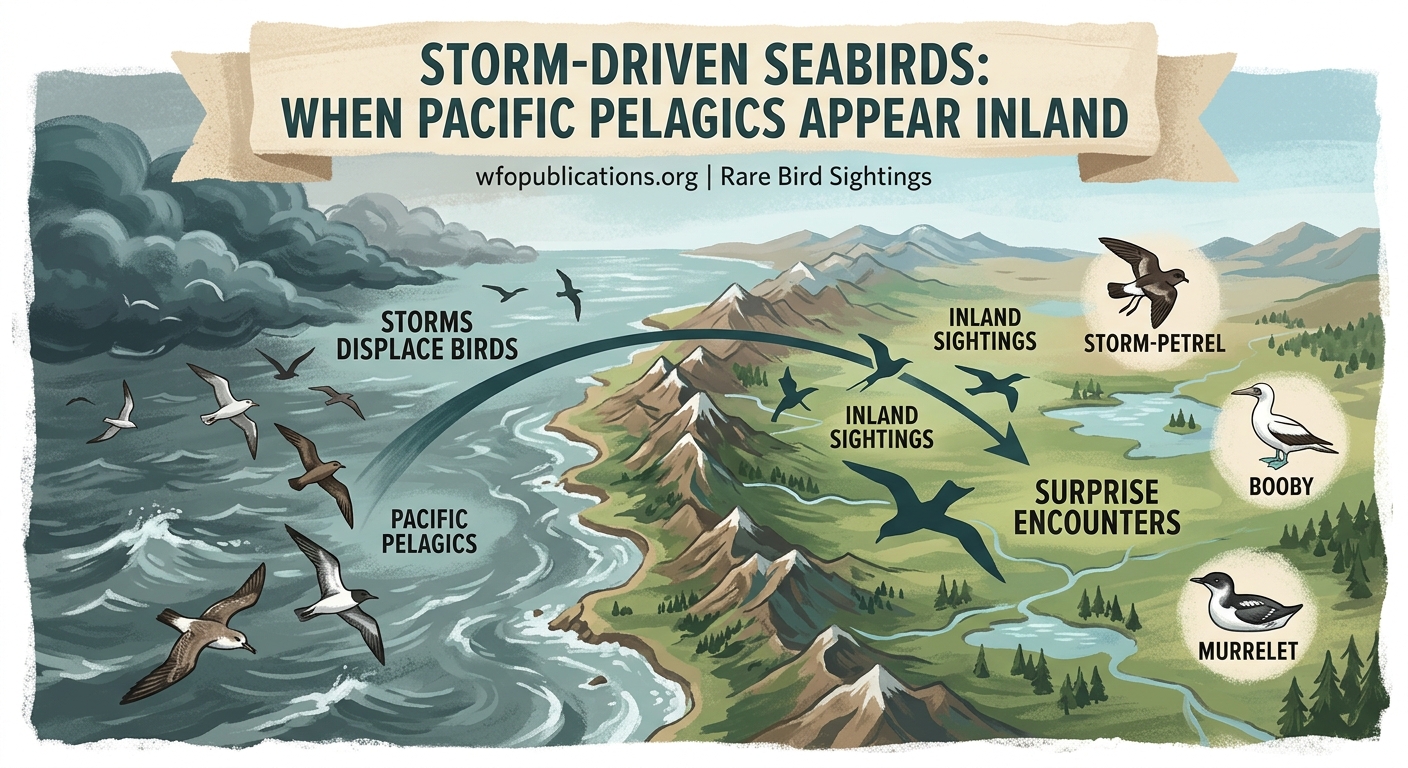
Storm-Driven Seabirds: When Pacific Pelagics Appear Inland

A storm rolls through overnight, and by morning your local reservoir hosts visitors that belong hundreds of miles out at sea. Ancient Murrelets bob on freshwater ponds. Storm-Petrels flutter over cornfields. Fork-tailed Storm-Petrels rest on suburban lawns, exhausted and disoriented.

These aren’t lost stragglers. They’re storm-driven seabirds, forced inland by powerful weather systems that override their navigation and stamina.

Key Takeaway

Seabirds blown inland by storms arrive during or immediately after severe weather events, particularly hurricanes, nor’easters, and Pacific storm systems. These pelagic species appear at inland lakes, reservoirs, and agricultural fields, often exhausted and vulnerable. Birders can predict sightings by monitoring low-pressure systems, offshore wind patterns, and post-storm conditions. Most birds recover and return to the ocean within days if they survive the initial displacement.

Why storms push seabirds hundreds of miles from the ocean

Pelagic seabirds spend most of their lives over open water. They feed, sleep, and migrate entirely at sea, only coming to land for breeding.

Their bodies are built for ocean conditions. Long wings carry them efficiently over waves. Specialized salt glands filter seawater. Their entire physiology assumes constant access to marine food sources.

Severe storms disrupt this system completely.

Low-pressure systems generate powerful winds that can exceed 100 mph in extreme cases. Seabirds caught in these conditions face an impossible choice: fight the wind and exhaust themselves, or ride the current and end up far from their natural habitat.

Most choose survival over location. They conserve energy by allowing the wind to carry them, even when that means traveling inland.

The strongest displacement events occur when storm tracks move perpendicular to the coastline. A hurricane moving west to east across the Gulf Coast, for example, can deposit thousands of seabirds across inland states within 24 hours.

Timing matters too. Fall migration periods coincide with peak hurricane season in the Atlantic and Pacific storm activity along the West Coast. Young, inexperienced birds are especially vulnerable during their first migration.

Species most commonly found after major weather events

Storm-Driven Seabirds: When Pacific Pelagics Appear Inland - Illustration 1

Not all seabirds appear inland with equal frequency. Certain species show up repeatedly in displacement records.

Atlantic and Gulf Coast species:

  • Sooty Terns
  • Bridled Terns
  • Black Terns
  • Leach’s Storm-Petrels
  • Band-rumped Storm-Petrels
  • Pomarine Jaegers
  • Long-tailed Jaegers
  • Red Phalaropes
  • Red-necked Phalaropes

Pacific Coast species:

  • Fork-tailed Storm-Petrels
  • Ashy Storm-Petrels
  • Ancient Murrelets
  • Cassin’s Auklets
  • Rhinoceros Auklets
  • Black-legged Kittiwakes
  • Sabine’s Gulls

These species share common traits. Most are small-bodied with limited fat reserves. They depend on constant feeding to maintain energy. When displaced to freshwater environments without their usual prey, they deteriorate fast.

Larger seabirds like albatrosses and shearwaters also get displaced, but their size and stamina often allow them to navigate back to the coast more successfully.

Reading weather patterns to predict inland appearances

Experienced birders monitor specific meteorological conditions to anticipate seabird arrivals.

1. Track low-pressure systems moving onshore

Check marine forecasts and satellite imagery for storms approaching the coast. Systems with sustained winds above 40 mph have the highest displacement potential.

Pay attention to the storm’s forward speed. Slower-moving systems give seabirds more time to escape. Fast-moving storms trap birds in their wind fields.

2. Note wind direction during peak intensity

Onshore winds (blowing from sea to land) are essential for inland displacement. The longer these conditions persist, the farther inland birds will travel.

Winds shifting to offshore directions after the storm passes can help grounded seabirds return to the coast.

3. Plan field visits for 24 to 72 hours post-storm

The window for finding storm-driven seabirds is narrow. Most birds either perish, recover and leave, or get picked off by predators within three days.

Dawn visits are most productive. Exhausted birds often rest overnight and become active at first light as they search for food or attempt to orient themselves.

Where to look for displaced pelagic visitors

Storm-driven seabirds don’t distribute randomly across the landscape. They concentrate in specific habitat types.

Large reservoirs and lakes attract the highest numbers. These bodies of water provide visual cues similar to the ocean. Birds often land thinking they’ve reached a safe resting area.

Agricultural fields, especially those recently irrigated or flooded, also draw seabirds. The reflective water surface mimics ocean conditions from altitude.

Sewage treatment ponds concentrate displaced birds because they attract insects and small fish, offering at least some food options.

Urban areas see occasional visitors too. Storm-Petrels sometimes crash into lit buildings during nocturnal displacement events. Check parking lots and rooftops the morning after severe weather.

Habitat Type Target Species Best Timing
Large reservoirs Auklets, murrelets, kittiwakes Dawn, first 48 hours
Agricultural ponds Phalaropes, terns, jaegers Midday when birds are active
Sewage lagoons Storm-petrels, small alcids Any time, check multiple days
Coastal plains All species, especially exhausted birds Immediately after storm passes
Urban areas Nocturnal species (petrels) Early morning building checks

How to identify exhausted seabirds safely

Grounded seabirds often appear disoriented and lethargic. This creates identification challenges and ethical considerations.

Approach slowly and quietly. Stressed birds waste precious energy fleeing. If a bird allows close approach, it’s likely in poor condition.

Take photographs from a respectful distance rather than handling the bird. Most species have specialized care requirements beyond general wildlife rehabilitation.

Look for diagnostic field marks:

Storm-petrels show distinctive flight patterns even when grounded. They have tube-nosed bills and dark plumage with white rumps in most species.

Auklets and murrelets have chunky bodies, short wings, and often retain breeding plumage features into fall.

Jaegers display pointed central tail feathers (in adults) and aggressive behavior even when weakened.

Phalaropes spin in tight circles on water surfaces, a feeding behavior that persists even in freshwater.

“The most important thing birders can do when finding storm-displaced seabirds is document the sighting with photos and location data, then contact local wildlife authorities. These birds need specialized care, not well-meaning but uninformed intervention.” — Dr. Sarah Chen, Seabird Biologist

Supporting recovery and reporting your observations

Finding a grounded seabird creates a responsibility to help if possible.

Contact licensed wildlife rehabilitators immediately. Most seabirds require tube-feeding with specialized formulas. They need marine-based diets that general rehabbers may not stock.

Don’t attempt to feed the bird yourself. Freshwater fish, bread, and other common offerings can cause more harm than good.

If the bird appears strong enough to fly but seems disoriented, simply giving it space may be the best option. Many displaced seabirds recover naturally once winds calm.

Report all sightings to regional rare bird alert systems and eBird. These records contribute to scientific understanding of displacement patterns and help other birders locate unusual species.

Include detailed information:

  1. Exact location with GPS coordinates
  2. Date and time of observation
  3. Weather conditions during and preceding the sighting
  4. Bird behavior and apparent condition
  5. Habitat type where found
  6. Number of individuals if more than one

This data helps ornithologists track displacement events, identify particularly vulnerable migration routes, and understand how climate change may be affecting storm frequency and intensity.

Understanding survival rates and long-term impacts

Most seabirds blown inland by storms don’t survive.

Small species with high metabolic rates can only survive 24 to 48 hours without food. Freshwater environments offer few suitable prey items for birds adapted to catching fish, squid, and marine invertebrates.

Predation takes a heavy toll. Grounded seabirds become easy targets for cats, dogs, hawks, and owls. Their ocean-adapted camouflage offers no protection in terrestrial environments.

Collisions with vehicles, buildings, and power lines kill additional birds as they attempt to navigate unfamiliar landscapes.

Those that do survive long enough to return to the coast face another challenge: finding their way back. Pelagic species navigate using ocean cues that don’t exist inland. They may wander for days before locating the coast.

Younger birds show lower survival rates than adults. First-year migrants lack the experience to recognize dangerous conditions or find alternative routes around storms.

Climate change appears to be increasing displacement frequency. Stronger hurricanes, more intense Pacific storms, and shifting migration timing all contribute to higher numbers of storm-driven seabirds appearing inland.

Distinguishing true displacement from vagrant patterns

Not every unusual seabird sighting represents storm displacement.

Some pelagic species naturally wander during post-breeding dispersal. Young birds especially may appear far from typical range without any storm involvement.

True displacement events share specific characteristics:

The timing coincides directly with severe weather. Birds appear during or within 48 hours of storm passage.

Multiple individuals of the same species show up simultaneously. A single lost bird might be a vagrant. Dozens appearing overnight indicates displacement.

The species involved are strictly pelagic. Birds that regularly visit coastal bays and estuaries are less likely to represent true displacement.

Body condition appears poor. Storm-driven birds often show signs of exhaustion, weight loss, and stress.

Geographic patterns make sense. Atlantic species appear after Gulf or East Coast storms. Pacific species follow West Coast weather events.

Vagrant birds, by contrast, may appear during calm weather, show good body condition, and represent species with known wandering tendencies.

Preparing for the next major displacement event

Smart birders prepare before storms arrive.

Identify potential hotspots in your area now. Scout large bodies of water, agricultural regions with irrigation ponds, and sewage treatment facilities.

Build relationships with property managers. Getting permission to access private ponds during the narrow post-storm window is much easier when you’ve made contact beforehand.

Assemble a storm-birding kit:

  • Spotting scope for distant identification
  • Camera with telephoto capability
  • GPS device or smartphone for precise location data
  • Field guides covering pelagic species
  • Contact information for local wildlife rehabilitators
  • Waterproof notebook for field notes
  • Waders if you plan to check shallow ponds

Monitor weather forecasts during migration seasons. Set up alerts for severe weather in your region.

Join local birding groups and rare bird alert networks. Coordination helps cover more ground during the brief window when displaced birds are present.

When rare becomes regular

Storm-driven seabirds offer birders a chance to observe species that would otherwise require expensive pelagic trips to see.

But these sightings come at a cost. Each grounded bird represents an individual fighting for survival far from its natural habitat.

The thrill of finding a rare species should be balanced with concern for its welfare. Document thoroughly, report accurately, and intervene appropriately when birds need help.

As storm patterns shift and intensify, inland seabird sightings may become more frequent. Understanding the mechanisms behind these events helps us appreciate both the remarkable adaptability of seabirds and the serious challenges they face in a changing climate.

Next time severe weather approaches your area, consider checking local water bodies once conditions calm. You might find yourself face to face with a bird that belongs to the open ocean, temporarily grounded but still carrying the wildness of the pelagic realm.